The Allure of Travel Photography: A Personal Perspective
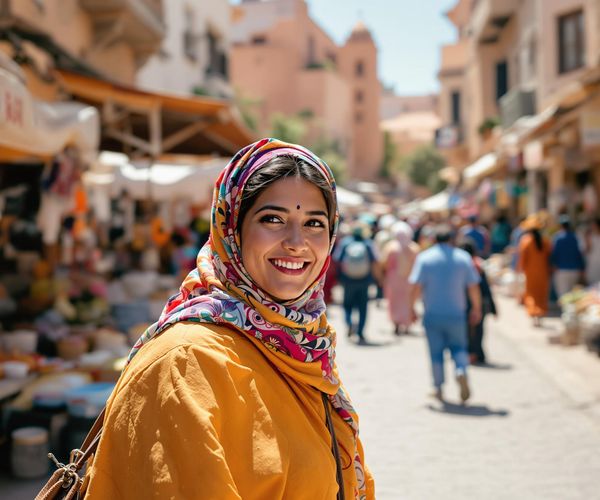
Growing up in Azrou, Morocco, the colors, textures, and stories were everywhere. From the bustling souks to the serene Atlas Mountains, every corner had a tale to tell. Moving to Germany opened a new chapter, a new palette of experiences. Photography became my bridge, a way to connect my past with my present, to share the beauty of both worlds. It's about more than just pretty pictures; it's about preserving memories, sharing cultural insights, and creating a visual diary of my journeys.
Essential Gear: Choosing the Right Camera and Accessories
Let's talk gear! The good news is, you don't need to break the bank. The best camera is the one you have with you. That could be your smartphone, a point-and-shoot, or a DSLR. Each has its strengths. Smartphones are fantastic for spontaneous shots and easy sharing. DSLRs offer more control and higher image quality, especially in challenging lighting.
Consider investing in a good zoom lens; it's a game-changer for capturing distant landscapes or wildlife. A tripod is invaluable for sharp, blur-free images, especially in low light or for those stunning sunrise/sunset shots. And don't forget a portable charger! Nothing's worse than running out of battery mid-adventure.
Understanding camera settings is also key. Aperture controls the depth of field, allowing you to blur the background or keep everything in focus. Shutter speed determines how long the camera's sensor is exposed to light, affecting motion blur. ISO measures the camera's sensitivity to light; use it sparingly to avoid grainy images. Experiment with these settings to see how they impact your photos.
Mastering Composition: Framing the Perfect Shot
Composition is where the magic happens. The Rule of Thirds is a fundamental guideline: imagine dividing your frame into nine equal parts with two horizontal and two vertical lines. Place key elements along these lines or at their intersections to create a balanced and visually appealing image.
Leading lines draw the viewer's eye into the scene, creating depth and interest. Symmetry and patterns can be incredibly striking, especially in architecture or natural landscapes. Don't forget about foreground elements! Adding a rock, a flower, or a person in the foreground can add depth and scale to your photos. And most importantly, don't be afraid to experiment! Try different angles, get down low, or shoot from above to find unique perspectives.
The Importance of Light: Capturing the Golden Hour
Light is everything in photography! The 'golden hour,' that magical time shortly after sunrise and before sunset, bathes the world in a warm, soft glow. The 'blue hour,' just before sunrise and after sunset, offers a cool, ethereal light. These are prime times for capturing stunning travel photos.
Learn to use natural light to your advantage. Shoot during sunrise and sunset for the best colors and softest shadows. Pay attention to how light interacts with your subject. Use shadows to add drama and contrast to your images. Overcast days can actually be great for portraits, as the diffused light eliminates harsh shadows.
Respectful Photography: Ethics and Cultural Sensitivity
As travelers, we're guests in someone else's home. It's crucial to be respectful and ethical in our photography. Always ask for permission before photographing people, especially in unfamiliar cultures. A simple smile and a gesture can go a long way.
Avoid perpetuating stereotypes or capturing images that could be seen as exploitative. Be mindful of local customs and traditions. Some places may have restrictions on photography, so do your research beforehand. Building relationships with locals can lead to more authentic and meaningful photo opportunities.
Storytelling Through Images: Capturing the Essence of a Place
Ultimately, travel photography is about telling stories. Focus on capturing unique moments, details, and interactions that reveal the essence of a place. What makes this destination special? What emotions does it evoke?
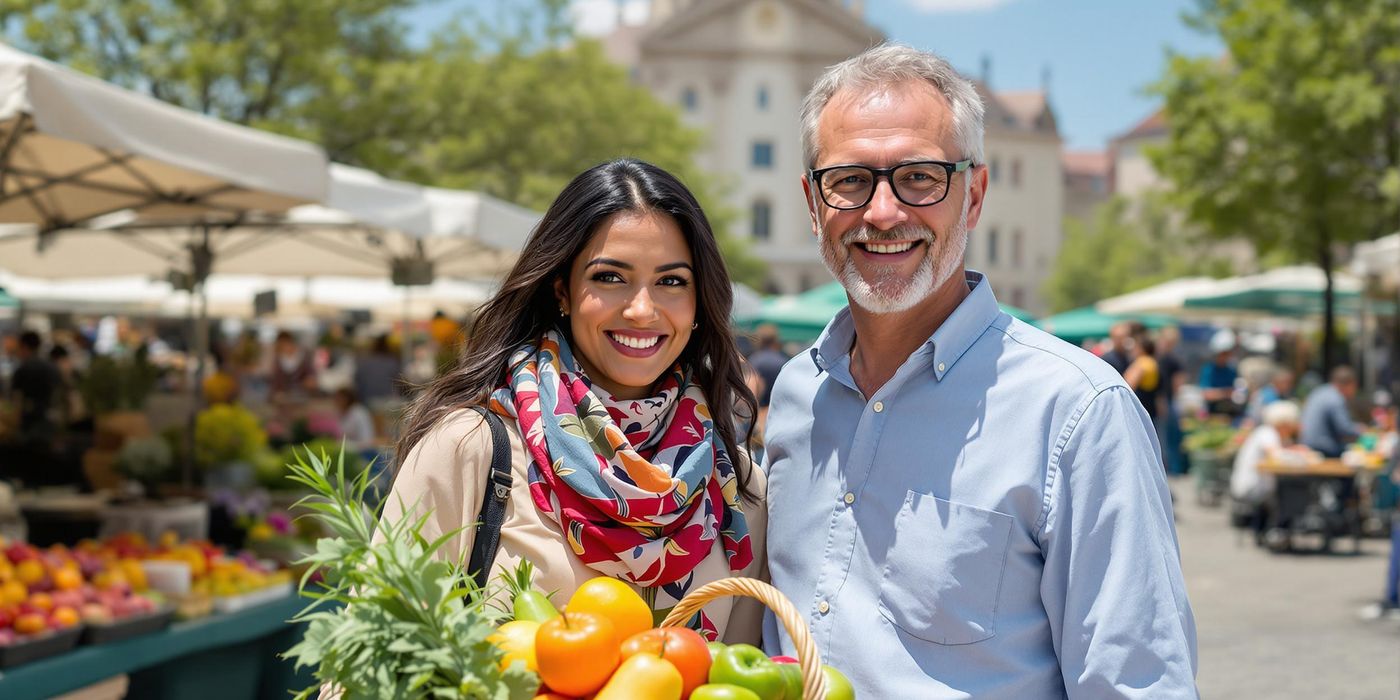
Convey cultural context through your photographs. Capture the vibrant colors of a local market, the intricate details of a traditional costume, or the expressions on people's faces during a festival. Photograph cultural events and festivals respectfully, being mindful of the participants and their traditions. The goal is to share your experiences in a way that is both informative and engaging, inviting others to connect with the world around them.
Learn how to take stunning travel photos that capture the essence of your journey and the beauty of the places you visit.