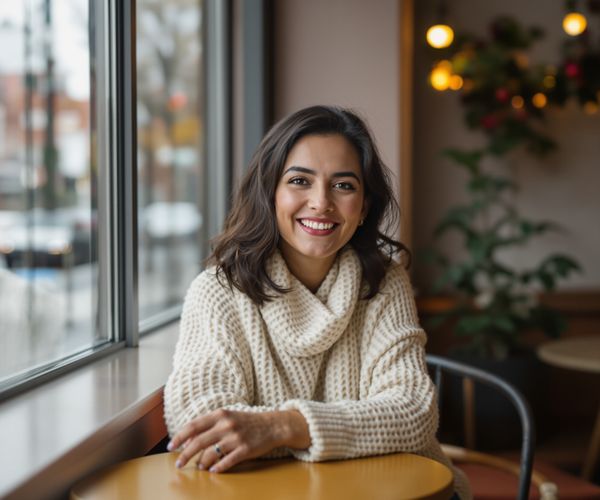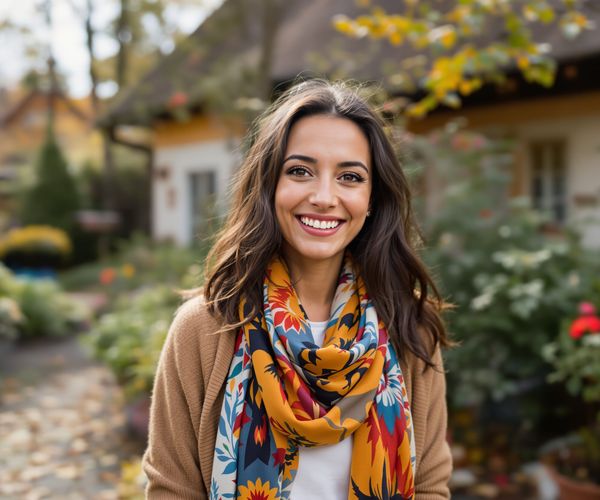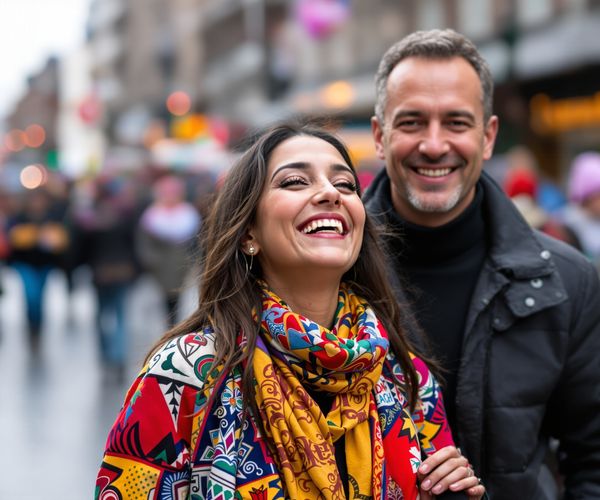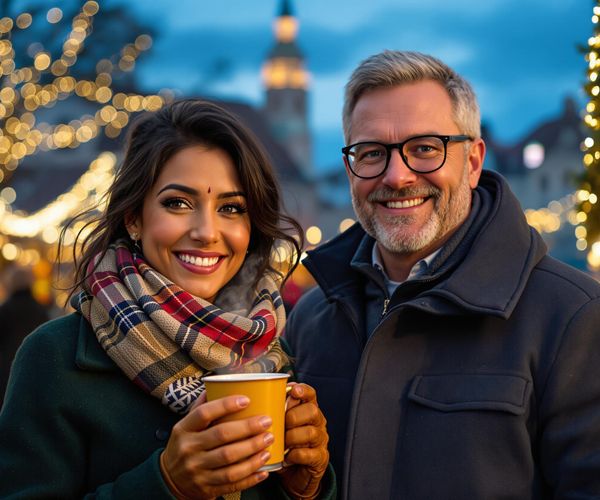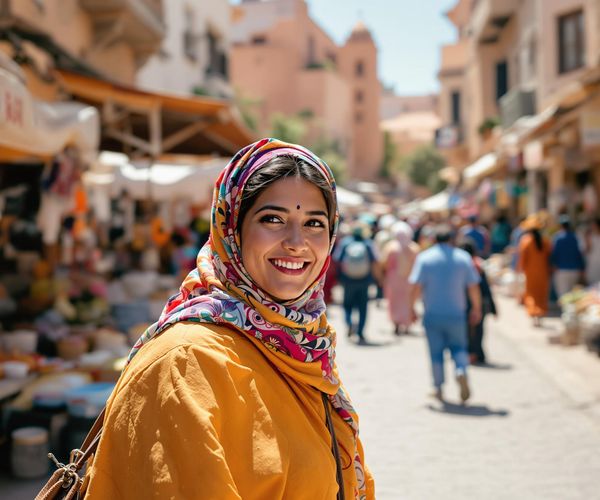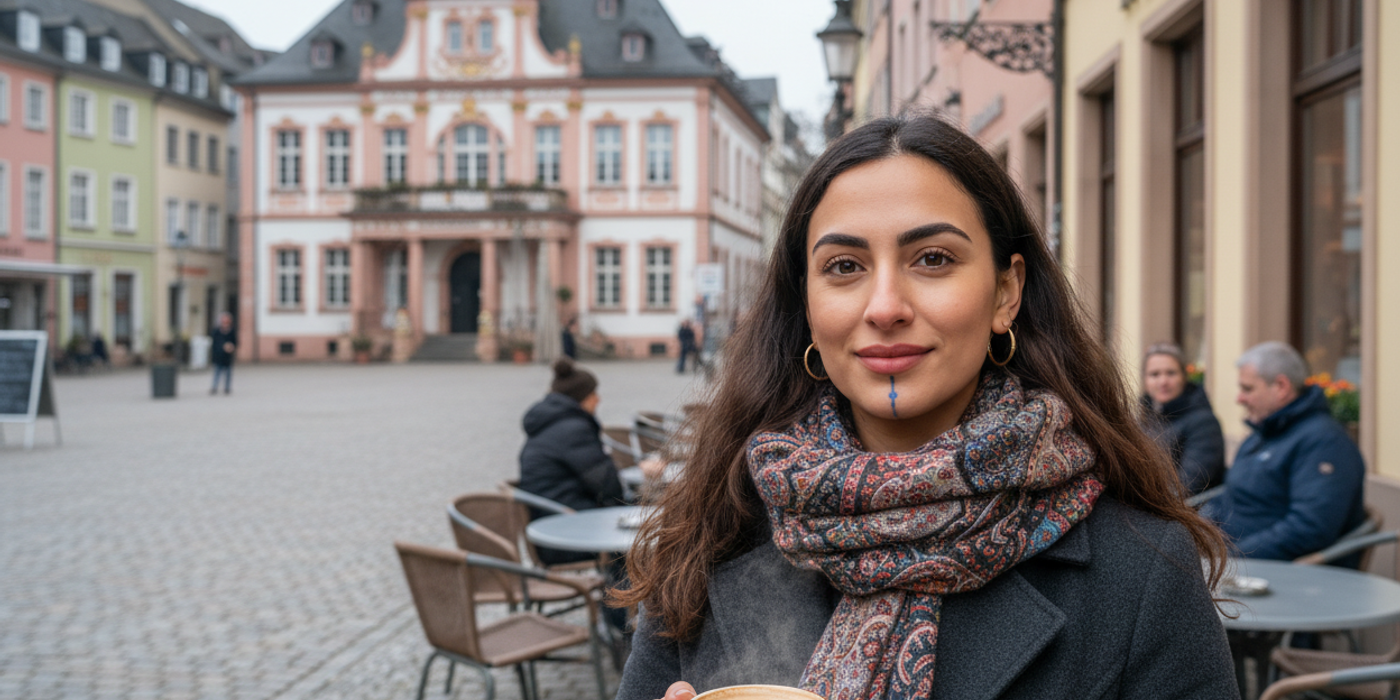
Hello, fellow wanderers! Fatima here, ready to share some insights from my own journey behind the lens. As a Moroccan now living in Germany, I've learned that travel photography is more than just pointing and shooting. It's about capturing the heart of a place, the essence of a moment, and the stories that whisper in every corner of the world.
The Essence of Storytelling in Travel Photography
I believe that the best travel photos aren't just pretty pictures; they're visual narratives. They evoke emotions, tell a story, and transport you back to that very moment. It's about moving beyond the typical tourist snapshots and capturing something authentic. I remember being in the souks of Marrakech, the vibrant colors and bustling energy were overwhelming, but instead of just snapping a wide shot, I focused on the hands of a craftsman weaving a carpet, the laughter of children playing a game, the knowing look in a merchant's eyes. These small details, these authentic moments, are what truly tell the story of a place.
When I first arrived in Germany, I felt a bit lost. But as I started exploring Bonn, I began to see the city through a new lens. I photographed the Rhine River at dawn, the colorful houses in the Altstadt, and the locals enjoying their coffee in the market square. Each photo became a way for me to connect with my new home, to understand its culture, and to share my experiences with others.
Mastering Composition Techniques for Compelling Narratives
Composition is key to creating compelling narratives in your photographs. The rule of thirds is a great starting point; imagine dividing your frame into nine equal parts with two horizontal and two vertical lines. Place your subject at the intersection of these lines to create a more balanced and interesting image. Leading lines can also be incredibly effective; use roads, rivers, or even shadows to guide the viewer's eye through the photo. Symmetry can create a sense of order and harmony, while framing – using elements like archways or trees to frame your subject – can add depth and context.
I love using foreground elements to add depth to my photos. For example, when photographing the Drachenfels castle near Bonn, I often include the vineyards in the foreground to give a sense of place and scale. And don't be afraid of negative space! Sometimes, leaving empty space around your subject can create a sense of balance and focus.
I recall taking a photo in Bonn's Hofgarten during the cherry blossom season. I used the rule of thirds, placing a couple strolling under the blossoms on one of the intersecting points, and the leading lines of the pathway to draw the viewer into the scene. It’s these little touches that can transform a simple snapshot into a captivating story.
Understanding and Utilizing Light to Enhance Your Travel Photos
Light is everything in photography. The golden hour – the hour after sunrise and the hour before sunset – is a magical time for soft, warm lighting. The blue hour – the hour after sunset and the hour before sunrise – offers a moody, atmospheric light. But don't despair if you're shooting in harsh midday sun! Look for shade, or use the harsh light creatively to create high-contrast shots. And don't be afraid of bad weather! A rainy day can add drama and atmosphere to your photos.
In Morocco, I learned to embrace the strong sunlight, using it to create striking shadows and capture the vibrant colors of the medina. In Germany, I've learned to appreciate the soft, diffused light of a cloudy day, which can be perfect for portraits and landscapes. I remember one particularly foggy morning in the Eifel National Park. The mist created a mystical atmosphere, and I was able to capture some truly unique and evocative images.
Capturing Candid Moments and Authentic Portraits
People are the heart and soul of any travel destination. Photographing people, their emotions, and their interactions can add a whole new dimension to your travel photography. Always ask for permission before taking someone's photo, and make them feel comfortable. A simple smile and a few words of greeting can go a long way. Be mindful of ethical considerations, especially when photographing people in different cultures. Do your research and be respectful of local customs and traditions.
Some of my favorite travel photos are candid shots of street performers, local markets, and café life. These moments capture the everyday essence of a place. I once took a photo of an elderly woman selling spices in a Marrakech market. Her face was etched with wrinkles, but her eyes sparkled with warmth. It was a simple photo, but it told a story of resilience, tradition, and the enduring spirit of the Moroccan people.
During my travels, I always try to connect with the people I photograph. I remember taking a portrait of a young Berber girl in the Atlas Mountains. We couldn't speak each other's language, but we communicated through smiles and gestures. I learned about her life, her family, and her dreams. That connection made the photo all the more meaningful.
Gear and Settings: Balancing Quality and Practicality
When it comes to gear, it's important to strike a balance between quality and practicality. You don't want to overpack, but you also want to have the tools you need to capture the best possible images. A versatile lens is a must-have, as is a good understanding of camera settings like shutter speed, aperture, and ISO.
These days, smartphones are incredibly capable cameras. If you're traveling light, don't underestimate the power of your phone. Enable RAW mode for more editing flexibility, and use optical zoom if your phone has it. For my family travels, I prefer to keep things simple. I usually bring my mirrorless camera with a zoom lens, along with my smartphone. This setup allows me to capture a wide range of shots without weighing myself down. I choose my gear based on the destination and the type of photography I plan to do. I also consider the safety and security of my equipment, especially when traveling to crowded or unfamiliar places.
So there you have it – a few tips and insights from my own journey in travel photography. Remember, it's not about having the best gear or the most perfect settings. It's about capturing the heart of a place, the essence of a moment, and the stories that connect us all. Happy travels, and happy shooting!
Travel photography is more than just pointing and shooting. It's about capturing the heart of a place, the essence of a moment, and the stories that whisper in every corner of the world.