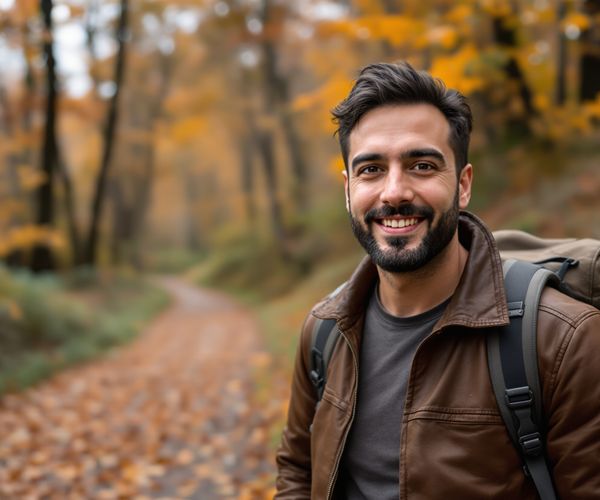

Hey everyone, Giorgos here! As a Cypriot now living in Berlin, I've always found solace and excitement in exploring the great outdoors. Whether it's the rugged trails of Troodos Mountains back home or the scenic routes around Brandenburg, hiking is my way of connecting with nature and discovering hidden gems. Over the years, I've learned a thing or two about hitting the trails safely and enjoyably. So, I'm excited to share my top hiking tips to help you gear up for your next adventure, no matter your experience level!
Gear Up: Essential Hiking Equipment
Let's talk gear! Having the right equipment can make or break your hiking experience. First and foremost: footwear. Choosing between hiking boots and trail running shoes really depends on the terrain. For tougher, rockier trails, I always opt for hiking boots with good ankle support. They provide stability and protect your feet from sharp objects. On smoother, well-maintained paths, trail running shoes can be a lighter, more comfortable option.
Next up is clothing. Layering is key, especially when you're dealing with unpredictable weather. Start with a moisture-wicking base layer to keep sweat away from your skin. Add an insulating layer like a fleece jacket or a light down vest for warmth. And don't forget a waterproof and windproof outer layer to protect you from the elements. Trust me, being prepared for rain or sudden temperature drops can save the day!
Finally, let's talk backpack essentials. Water is non-negotiable – always carry enough to stay hydrated. Snacks are also crucial for keeping your energy levels up. Pack high-energy foods like nuts, energy bars, or dried fruit. A well-stocked first-aid kit is a must-have for dealing with minor injuries. And, of course, navigation tools like a map, compass, or GPS device are essential for staying on track.
Trail Safety: Planning and Preparation
Before you even lace up your boots, take the time to plan and prepare for your hike. Start by researching the trail. Understand its difficulty level, length, and elevation gain. This will help you assess whether it's a good fit for your current fitness level. There are many resources available online, such as AllTrails, where hikers share their experiences and provide valuable insights.
Always check the weather forecast before heading out and be prepared for changes. Mountain weather can be unpredictable, so it's better to be overprepared than caught off guard. Pack extra layers of clothing and rain gear, even if the forecast looks clear. And, crucially, inform someone of your hiking plans and expected return time. This way, if something goes wrong, they'll know where to start looking for you.
Hiking Techniques: Pacing and Navigation
Once you're on the trail, it's important to maintain a steady pace and conserve energy. Avoid starting too fast, especially on uphill sections. Take frequent breaks to catch your breath and hydrate. Remember, hiking is not a race! It's about enjoying the journey and soaking in the scenery.
Navigation is another crucial aspect of hiking. Even on well-marked trails, it's easy to lose your way if you're not paying attention. Familiarize yourself with using maps, compasses, and GPS devices. Practice using these tools before you hit the trail so you're comfortable with them. And always stay on marked trails to avoid getting lost and minimize your impact on the environment.
Respecting Nature: Leave No Trace Principles
As hikers, it's our responsibility to protect the natural environment for future generations. That's why it's so important to follow the Leave No Trace principles. These guidelines help us minimize our impact on the land and ensure that everyone can enjoy the outdoors.
The most basic principle is to pack out all trash and waste. This includes everything from food wrappers to used tissues. Don't leave anything behind! Also, stay on durable surfaces and avoid trampling sensitive vegetation. When possible, use established trails and campsites. Be considerate of wildlife and other hikers. Keep a safe distance from animals and avoid making excessive noise. Remember, we're all sharing the same space, so let's be respectful of each other and the environment.
Health and Wellness: Benefits of Hiking
Beyond the stunning views and fresh air, hiking offers a multitude of health benefits. Physically, it's a great way to improve your cardiovascular health, strengthen your muscles, and improve your balance. Hiking engages various muscle groups, providing a full-body workout without feeling like a chore.
But the benefits aren't just physical. Hiking is also fantastic for your mental health. Studies have shown that spending time in nature can reduce stress, improve mood, and boost cognitive function. There's something incredibly therapeutic about immersing yourself in the natural world and disconnecting from the stresses of daily life. For me, hiking is a way to clear my head, reconnect with myself, and appreciate the simple joys of life. Plus, there's the added joy of connecting with nature and exploring new landscapes. Every trail offers a new adventure and a chance to discover something amazing!
Equip yourself with essential hiking tips and safety advice for diverse terrains and climates, drawing from Giorgos' experiences.