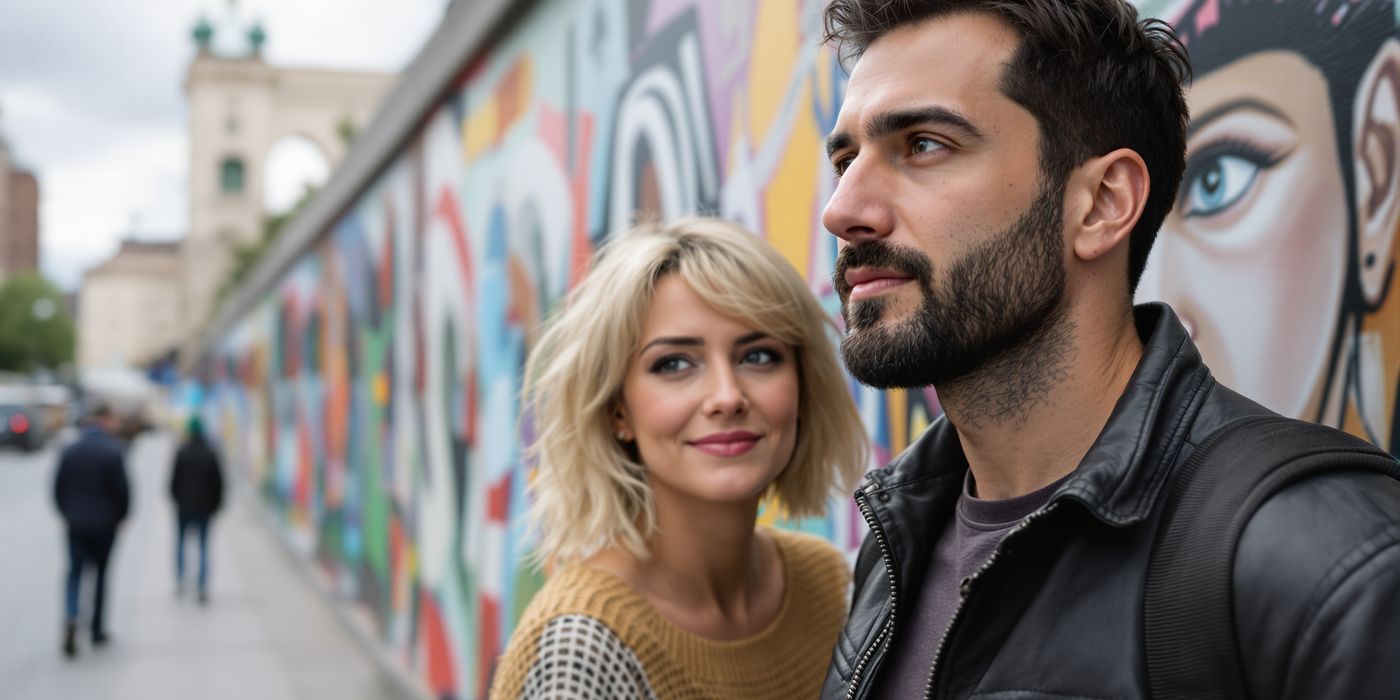
Hey everyone, Giorgos here! Lena and I have always been drawn to the pulse of city life, and for us, nothing captures that energy quite like street art. It's more than just paint on walls; it's a raw, unfiltered dialogue between artists and the urban landscape. We’re excited to share some insights on how to dive into the world of street art and make your urban explorations truly unforgettable.
The Allure of Street Art in Urban Landscapes
Street art has this incredible power to transform the most mundane urban spaces into vibrant canvases. Think about it – a drab concrete wall suddenly bursts to life with color and meaning. It's like the city is telling a story, and the artists are the storytellers.
The roots of street art are fascinating. It wasn't always seen as 'art,' of course. It evolved from simple graffiti, a way for people to mark their territory or express themselves anonymously. Over time, it's blossomed into a recognized art form, with some artists achieving international acclaim.
What's really cool is how the perception of street art has changed. It’s gone from being viewed as vandalism to a celebrated form of expression. Cities are now recognizing its value, with some even commissioning murals to revitalize neighborhoods and attract tourists. It's a testament to the power of art to change perspectives and shape our environment.
Finding the Hidden Gems: Tips for Discovering Street Art Hotspots
Okay, so you're ready to explore. How do you actually find these amazing artworks? Well, it's a bit of an adventure in itself! One of our favorite methods is simply wandering around with our eyes open. Get lost in the backstreets, explore different neighborhoods, and keep an eye out for splashes of color.
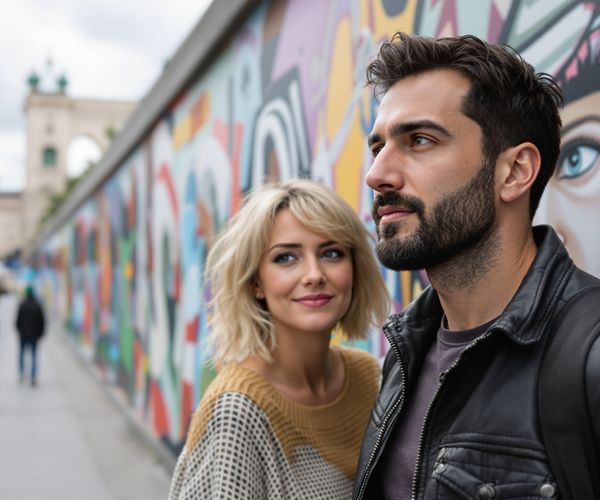
There are some legendary street art destinations around the world. Berlin's East Side Gallery, a preserved section of the Berlin Wall covered in art, is a must-see. Melbourne's Hosier Lane is another iconic spot, a constantly evolving laneway filled with graffiti and stencils. And then there's Miami's Wynwood Walls, an outdoor museum showcasing large-scale murals by renowned artists.
Don't underestimate the power of social media! Instagram is a goldmine for finding street art. Search for hashtags like #streetart, #urbanart, or #[cityname]streetart. You can also follow local artists and art collectives to stay updated on new works and events. Lena is a pro at finding hidden gems this way!
Understanding the Cultural Context of Street Art
Street art isn't just about aesthetics; it often reflects the social, political, and cultural narratives of a community. Artists use public spaces to express their opinions, challenge the status quo, and give voice to marginalized communities.
Think of street art as a form of social commentary. It can address issues like inequality, environmental concerns, or political corruption. By reclaiming public spaces, artists democratize the narrative, offering alternative perspectives and sparking dialogue.
For example, in some neighborhoods, you might see murals depicting local heroes or celebrating cultural traditions. In others, you might find politically charged pieces that critique government policies or raise awareness about social issues. It’s all part of the ongoing conversation happening on the streets.
Engaging with Local Artists and Communities
One of the best ways to deepen your appreciation for street art is to connect with the local art scene. Attend art events, gallery openings, and workshops to meet artists and learn about their work.
Supporting local art organizations and initiatives is also crucial. These groups often provide resources and platforms for artists, helping them to create and share their work. By attending their events or donating to their cause, you can contribute to the growth of the art community.
Community engagement is key to the street art ecosystem. Many projects involve collaboration between artists and residents, creating a sense of ownership and pride. Look for opportunities to participate in community mural projects or volunteer at local art events. You might even discover your own hidden talent!
Urban Exploration Etiquette: Respecting the Art and the Environment
When exploring the world of street art, it's essential to remember that we're guests in these urban spaces. Respecting the art and the environment is paramount. That means no tagging, no defacing, and no contributing to the urban decay.
The 'take nothing but photos, leave nothing but footprints' ethos is a good rule of thumb. We're there to appreciate the art, not to damage it. If you see someone vandalizing a piece, speak up or report it to the authorities.
Be mindful of private property. Some street art may be located on buildings or in areas where trespassing is prohibited. Always seek permission before entering private property, and be aware of local laws and regulations.
Safety Considerations for Urban Explorers
Urban exploration can be an exciting adventure, but it's important to prioritize safety. Before you head out, make sure you have the right gear. Sturdy boots are a must, as you'll likely be doing a lot of walking. Gloves can protect your hands from dirt and grime. And a flashlight is essential for exploring dark or hidden spaces.
Do your research beforehand. Learn about the area you'll be exploring, and be aware of any potential hazards. Are there construction sites? Are there areas known for crime? Being informed can help you avoid dangerous situations.
Never explore alone! Always bring a buddy, and make sure someone knows your whereabouts. Share your itinerary with a friend or family member, and check in with them regularly. It's always better to be safe than sorry.
Explore the world of street art and how it can enrich your urban explorations across the globe. Discover ways to find art hotspots and engage with local artists.