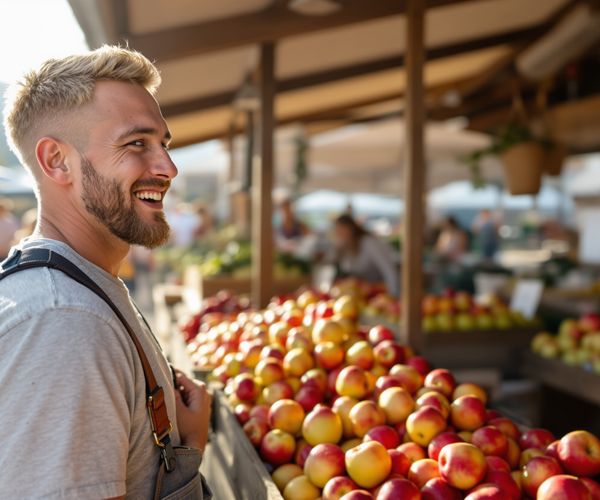
As someone who was raised in the Netherlands and now calls Kelowna, Canada home, I've always been drawn to the intersection of nature, culture, and, of course, a good brew. My travels with my wife, Aaliyah, have only deepened this appreciation, sparking countless ideas for unique beer recipes. I'm excited to share my insights on how you can combine your love for travel and craft beer by learning to brew your own creations inspired by your journeys.
The Allure of Travel-Inspired Brewing
For me, brewing isn't just a hobby; it's a way to relive and reinterpret my travel experiences. Growing up in Apeldoorn, I was surrounded by the rich brewing traditions of the Netherlands. Moving to Canada opened my eyes to a whole new world of flavors and ingredients, especially here in the Okanagan Valley. Each trip Aaliyah and I take, whether it's exploring the local wineries or venturing further afield, provides inspiration for new beers.
Think about it: that spicy aroma from a Marrakech market, the sweet tang of Okanagan cherries, or the earthy notes of a forest hike. These aren't just memories; they're potential beer recipes waiting to happen. It's about capturing a moment, a feeling, and translating it into something you can taste and share. It’s pure culinary creativity!
Essential Equipment for the Traveling Brewer
Getting started with homebrewing doesn't require a massive investment or a dedicated space. Here's a list of the basics you'll need:
- Brew Kettle: A stainless steel pot (5-10 gallons) for boiling your wort.
- Fermenter: A food-grade bucket or carboy with an airlock to allow CO2 to escape during fermentation.
- Airlock and Bung: To keep your fermenter sealed from outside air and contaminates.
- Hydrometer: To measure the sugar content of your wort and track fermentation progress.
- Bottling Bucket and Bottling Wand: For easy and sanitary bottling.
- Bottles or Keg: To store and serve your finished beer.
- Sanitizer: Crucial for keeping your equipment clean and preventing off-flavors.
If you're tight on space, consider a compact brewing system or a smaller fermentation vessel. There are also plenty of beginner-friendly brewing kits available online or at your local homebrew supply store. These kits usually include all the essential equipment and ingredients you need to brew your first batch.
Sourcing Local Ingredients: A Global Adventure
This is where the travel aspect really comes into play. Sourcing local ingredients is key to capturing the true essence of a place in your beer. Instead of relying solely on standard brewing supplies, explore local farmers' markets, specialty food stores, and even directly contact local farmers.
For example, here in the Okanagan, I love using fresh cherries, peaches, and apples from local orchards in my fruit beers. I've also experimented with different hop varietals grown in the region. When Aaliyah and I visited Morocco, I brought back a selection of spices like cardamom, cumin, and coriander to add an exotic twist to my brewing. The possibilities are endless!
Don't be afraid to ask questions and strike up conversations with local vendors. They're often a wealth of knowledge and can point you towards unique ingredients you might not otherwise find. Always ensure that any wild-foraged ingredients are safe for consumption and properly prepared.
Brewing Techniques for the Novice Traveler
Here's a simplified step-by-step guide to brewing a basic beer recipe. For this example, let's brew a simple Pale Ale:
- Mashing: Steep crushed grains in hot water (around 150-160°F) for about an hour to convert starches into fermentable sugars.
- Lautering: Separate the sweet wort (sugar-rich liquid) from the spent grains.
- Boiling: Boil the wort for 60-90 minutes, adding hops at different times for bitterness, flavor, and aroma.
- Cooling: Quickly cool the wort to fermentation temperature (around 65-70°F).
- Fermentation: Transfer the cooled wort to your fermenter, add yeast, and seal with an airlock. Allow the beer to ferment for 1-3 weeks.
- Bottling/Kegging: Once fermentation is complete, bottle or keg your beer with priming sugar (for bottle carbonation) or force carbonate in a keg.
- Conditioning: Allow the beer to condition for a few weeks to develop its flavors and carbonation.
If you're brewing in a small space, consider using a smaller brew kettle or a one-gallon fermentation kit. To save money, you can often find used equipment online or at homebrewing clubs.
Infusing Travel Flavors: Recipe Ideas
Now for the fun part: incorporating those travel-inspired flavors! Here are a few ideas to get you started:
- Moroccan Spiced Ale: Add cardamom, cumin, and coriander during the boil for a warm, exotic flavor.
- Okanagan Cherry Wheat: Use fresh or frozen cherries in the secondary fermentation for a fruity, refreshing beer.
- Belgian Tripel with Lavender: Add dried lavender flowers during the boil for a floral aroma and subtle flavor.
- Mexican Chocolate Stout: Add cocoa nibs, cinnamon, and chili peppers during the boil for a rich, spicy stout.
When experimenting with new ingredients, start with small amounts and adjust to taste. Also, pay attention to water quality. Different water profiles can significantly affect the taste of your beer. Consider using filtered water or adjusting your water chemistry to match the style of beer you're brewing.
Troubleshooting and Resources
Brewing can be challenging, but don't get discouraged! Here are a few common problems and solutions:
- Off-flavors: Usually caused by contamination. Sanitize your equipment thoroughly.
- Stuck fermentation: Ensure your wort is properly aerated and your yeast is healthy.
- Cloudy beer: Can be caused by chill haze or excessive protein. Use fining agents or cold crash your beer.
For more in-depth information, check out these resources:
- Books: The Complete Joy of Homebrewing by Charlie Papazian, How to Brew by John Palmer.
- Websites: HomeBrewTalk.com, BeerAdvocate.com.
- Homebrewing Clubs: Join a local club to connect with other brewers and share tips and recipes.
The most important thing is to experiment and have fun! Don't be afraid to try new things and put your own spin on classic recipes. Share your creations with friends and family and get their feedback. Who knows, you might just discover your next signature brew inspired by your travels!
Combine your love for travel and craft beer by learning how to brew your own unique creations inspired by your journeys.