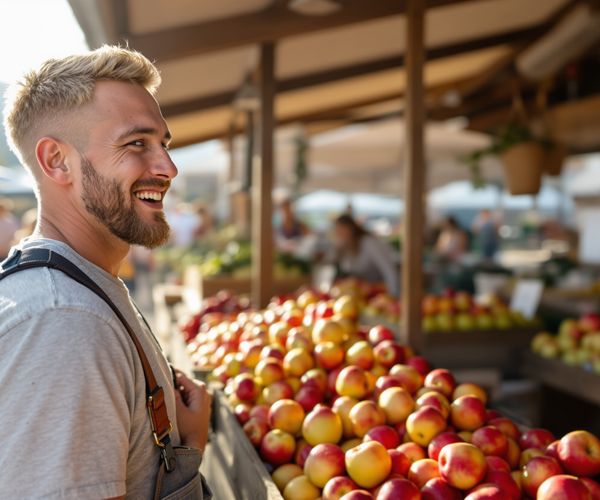
As an orchard manager in Kelowna, I'm surrounded by the beauty of nature daily. My wife, Aaliyah, and I love to travel, and I've always found a way to connect with the local plant life wherever we go. It's amazing how much you can learn and experience by simply engaging with the flora around you. So, for all my fellow green thumbs out there who also have a serious case of wanderlust, I'm sharing my tips for gardening on the go!
Embracing Local Flora: A Gardener's Passport
There's something incredibly rewarding about connecting with the local flora when you travel. It's a chance to understand the unique ecosystems of different regions and appreciate the diversity of plant life our planet has to offer. Plus, it's a fantastic way to add a new dimension to your travel experiences.
One of the first things I do when planning a trip is research the local plant species. Field guides are invaluable, but these days, there are also some fantastic apps available. I'm a big fan of iNaturalist and PlantSnap. They allow you to identify plants simply by taking a photo. It's like having a botanist in your pocket! Don't underestimate local resources either. Park rangers and botanical gardens are treasure troves of information. They can provide insights you won't find anywhere else.
It's crucial to remember that we're visitors in these ecosystems. Understanding and respecting native flora is paramount. Avoid trampling vegetation, and never remove plants from their natural habitats without proper authorization. We want to leave these places as pristine as we found them, ensuring future generations can enjoy them too.
Cultivating Connections: Visiting Gardens and Nurseries
Visiting local botanical gardens, community gardens, and nurseries is a must for any traveling gardener. These spaces offer a curated glimpse into the regional plants and gardening practices. You can see how different species thrive in the local climate and learn about traditional cultivation methods.
Don't be shy about striking up conversations with local gardeners and experts! They often have a wealth of knowledge to share about unique growing conditions and techniques specific to the area. I've learned so much from chatting with passionate locals, and their insights have often shaped my own gardening practices back home.
If you're looking for a more immersive experience, consider volunteering in a garden or farm. It's a fantastic way to get your hands dirty, connect with the local community, and learn about sustainable agriculture firsthand. Plus, you'll be giving back to the environment while you're at it!
Gardening in Transit: Maintaining Your Green Thumb on the Road
Just because you're traveling doesn't mean you have to abandon your gardening routine entirely. There are plenty of ways to keep your green thumb active, even on the road.
If you're staying in one place for an extended period, consider setting up a small container garden. You can grow herbs, vegetables, or even flowers in pots or containers. If space is limited, get creative! Mini-gardens in temporary spaces can be surprisingly rewarding. I once created a tiny herb garden on a hotel balcony using recycled containers. It added a touch of green to my stay and provided fresh herbs for cooking.
Before leaving home, prepare your garden for your absence. Self-watering systems can be a lifesaver. There are simple DIY solutions, like the plastic bottle hack or the string and jar method, that can keep your plants hydrated while you're away. Proper mulching is also essential for retaining moisture in the soil. Choose low-maintenance plants that can tolerate neglect. Succulents and cacti are excellent options. They can withstand dry conditions and require minimal care.
Sustainable Souvenirs: Collecting Seeds and Cuttings Responsibly
The allure of bringing home a piece of your travels in the form of a plant or seed is understandable. However, it's crucial to consider the ethics of collecting seeds and cuttings from local plants. Sustainability and conservation should always be top of mind.
Before collecting anything, familiarize yourself with local regulations. Some regions have strict rules regarding plant collection, and you may need permits to take seeds or cuttings. Respect these regulations. They're in place to protect vulnerable ecosystems. If you're unsure, err on the side of caution and refrain from collecting.
There are plenty of alternative sustainable souvenirs that won't harm the environment. Photographs, sketches, or pressed flower art are all wonderful ways to capture the beauty of the local flora without impacting the ecosystem. Consider supporting local artisans who create nature-inspired crafts. You'll be contributing to the local economy while preserving the environment.
The Traveling Gardener's Toolkit: Essential Items for Green Adventures
To make the most of your gardening adventures on the go, it's helpful to have a few essential tools and resources at your disposal.
A compact hand lens is perfect for examining plant details up close. A small notebook and pen are essential for recording your observations and sketching interesting plants. Plant identification apps, as I mentioned earlier, are invaluable for identifying species quickly and easily. And a regional field guide can provide in-depth information about local flora.
Consider packing a small gardening kit with essentials like a hand trowel, pruners, and seed packets. These tools will come in handy if you plan on doing any container gardening or volunteering in local gardens. Before packing your tools, sanitize them thoroughly to prevent the spread of plant diseases. Use a bleach solution or rubbing alcohol to disinfect the blades and handles. This simple step can help protect local ecosystems from harmful pathogens.
Tips for gardening enthusiasts on engaging with local plant life during travel and maintaining gardening practices on the road.