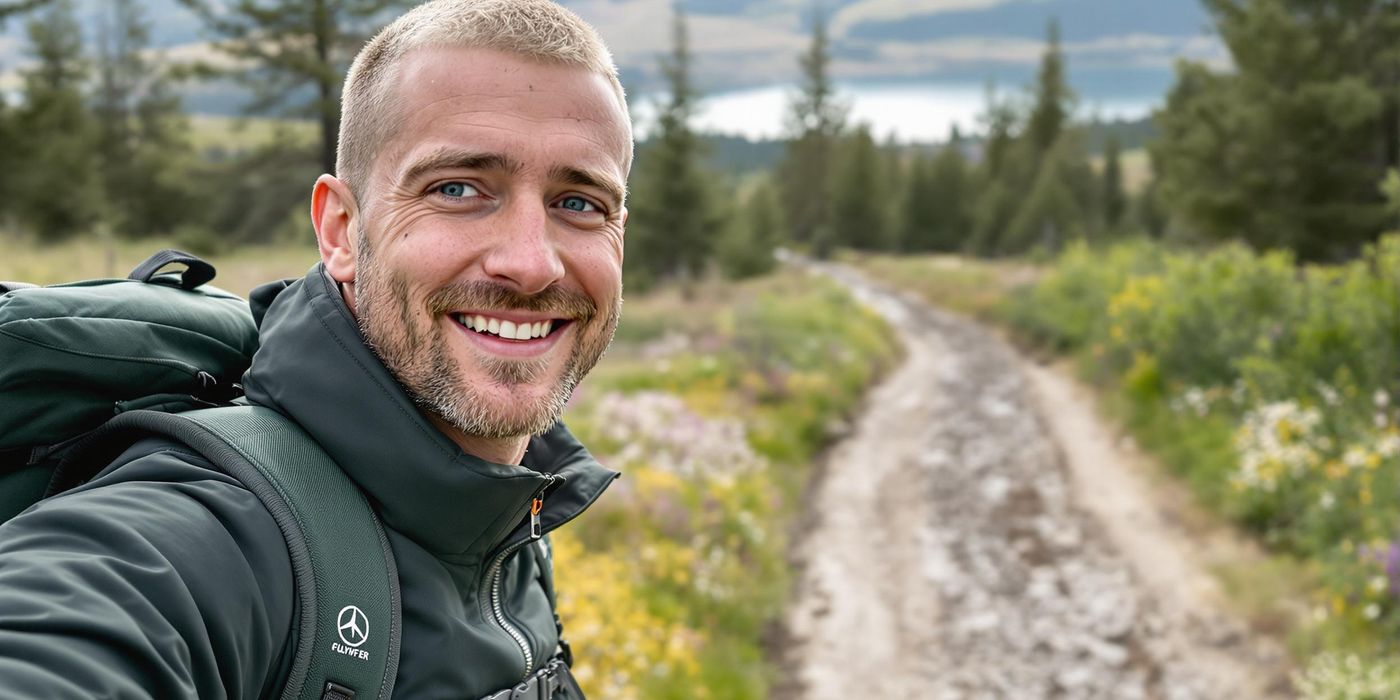
Hey there, fellow adventurers! Hendrik here, reporting from beautiful Kelowna, nestled in the heart of the Okanagan Valley. I've spent countless days exploring these trails, and let me tell you, there's nothing quite like the feeling of being surrounded by nature. But before you lace up those boots and hit the path, it's crucial to be prepared. A well-packed backpack can make the difference between a fantastic hike and a day you'd rather forget. So, let's dive into the essentials for a safe, comfortable, and eco-conscious day on the trails!
The Backpack: Your Trusty Companion
First things first, you need a reliable backpack. For a day hike, a pack in the 20-30 liter range is usually perfect. It's big enough to carry all your essentials without being too bulky or heavy. Look for features like comfortable, padded straps and an adjustable hip belt – these will distribute the weight evenly and save your shoulders from aching. Hydration pack compatibility is a huge plus, allowing you to sip water on the go without stopping. I'm a big fan of the Osprey Talon/Tempest series; they're durable, comfortable, and made with recycled materials. {image1}
Essential Gear for Safety and Navigation
Now, let's talk about the gear that could save the day:
- Navigation: A map and compass are essential, even if you're using a GPS device. Batteries die, and technology can fail. Knowing how to read a map and use a compass is a skill every hiker should have. Practice before you hit the trail!
- First-aid kit: Don't skimp on this! Customize it to include essentials for common hiking injuries like blisters, cuts, and sprains. Include pain relievers, antiseptic wipes, bandages, and any personal medications you might need. {image2}
- Headlamp or flashlight: Even on a day hike, unexpected delays can happen. A headlamp keeps your hands free and is crucial if you find yourself hiking in the dark.
- Knife or multi-tool: Invaluable for repairs, first-aid, and various emergency situations. A good multi-tool is like having a mini toolbox in your pocket.
- Emergency shelter: A lightweight emergency blanket or bivy sack can provide crucial warmth and protection if the weather turns nasty. They pack down small and could be a lifesaver.
Clothing Considerations: Layering for Kelowna's Climate
Kelowna's weather can be unpredictable, so layering is key:
- Base layers: Moisture-wicking fabrics like merino wool or synthetic materials are your best friend. They keep sweat away from your skin, preventing chills.
- Insulating layers: A fleece or down jacket provides warmth when the temperature drops. Pack it even if the forecast looks sunny – mountain weather can change quickly.
- Outer layer: A waterproof and windproof jacket and pants are essential for protection from rain and wind. Look for breathable fabrics to prevent overheating.
- Hat and gloves: Believe it or not, even in the warmer months, a hat and gloves can make a big difference, especially at higher elevations.
- Hiking boots: Invest in a good pair of hiking boots that are broken in and suitable for the terrain. Ankle support is crucial for preventing sprains.
- Socks: Moisture-wicking socks are just as important as your base layer. They help prevent blisters and keep your feet comfortable.
Hydration and Nutrition: Fueling Your Adventure
Staying hydrated and fueled is crucial for a successful hike:
- Water: Carry enough water! A good rule of thumb is 1 liter per 2 hours of hiking, but adjust based on the temperature and your activity level.
- Reusable water bottles or hydration reservoir: Choose a sustainable option and ditch the single-use plastic bottles.
- Water filter or purification tablets: If you're hiking near water sources, consider bringing a filter or tablets to purify the water.
- Snacks: Pack high-energy, lightweight snacks like nuts, energy bars, dried fruit, or trail mix.
- Lunch: A nutritious and easy-to-carry lunch will keep you going strong. Sandwiches, wraps, or pasta salads are great options.
Sun Protection: Shielding Yourself from the Okanagan Sun
The Okanagan sun can be intense, so protect yourself:
- Sunscreen: Use a high SPF, broad-spectrum, and water-resistant sunscreen. Apply it liberally and reapply every two hours, or more often if you're sweating.
- Sunglasses: Protect your eyes with UV-protective sunglasses.
- Hat: A wide-brimmed hat provides shade and keeps the sun off your face and neck.
Sustainable Practices: Leaving No Trace
Let's keep the Okanagan trails beautiful for everyone:
- Pack out everything you pack in: This should be a no-brainer, but it's worth repeating. Don't leave any trash behind.
- Stay on marked trails: Avoid trampling vegetation and disturbing wildlife.
- Minimize campfire impact (or avoid them altogether): Campfires can be damaging to the environment. If you must have a fire, use existing fire rings and keep it small. Check for fire bans before you go!
- Respect wildlife: Observe from a distance and never feed them. Feeding wildlife can disrupt their natural behaviors and make them dependent on humans.
- Eco-friendly toiletries: Use biodegradable soap, toilet paper, and waste bags. Dispose of waste properly – pack it out or bury it in a cathole at least 200 feet from water sources.
Additional Items for Comfort and Convenience
These extras can enhance your hiking experience:
- Insect repellent: Especially important during mosquito season.
- Trekking poles: Provide stability and reduce strain on your joints, especially on steep terrain.
- Camera: Capture the stunning scenery and wildlife encounters.
- Binoculars: Enhance your wildlife viewing experience.
- Personal items: Medications, phone, wallet, and any other essentials you might need.
A comprehensive guide on what to pack for a day hike in the Okanagan Valley, focusing on safety, sustainability, and comfort. Learn essential gear, clothing, and practices.