The allure of being a freelance professional is undeniable, especially when it comes to the freedom to travel. As a Singaporean IT consultant now based in Berlin, I've personally experienced the joys and challenges of blending work with wanderlust. It's a balancing act, but one that can lead to immense personal and professional fulfillment. Let's dive into some strategies I've picked up along the way to help you make the most of your freelance nomad life.
The Allure of the Freelance Nomad: Why Combine Work and Travel?
For me, the appeal was simple: why choose between a fulfilling career and seeing the world? Freelancing provides the flexibility to design your own schedule and work from anywhere with an internet connection. This opens up a world of possibilities, allowing you to explore new cultures, immerse yourself in different environments, and gain fresh perspectives, all while maintaining a steady income.
Experiencing new cultures isn't just about ticking off tourist spots; it's about understanding different ways of life, broadening your horizons, and challenging your own assumptions. Travel has a unique way of sparking creativity and innovation. I've found that stepping outside my comfort zone and encountering new challenges on the road often leads to fresh ideas and a renewed sense of purpose in my work.
Mastering Time Management: A Freelancer's Travel Toolkit
Time management is the cornerstone of a successful work-travel balance. When you're juggling client deadlines with sightseeing adventures, it's crucial to prioritize tasks and set realistic deadlines. Start by identifying your most important tasks and focusing on those first. Break down larger projects into smaller, more manageable chunks, and allocate specific time slots for each task.
I'm a big fan of time-tracking tools like Toggl Track. They help me monitor how I'm spending my time and identify areas where I can improve my efficiency. Experiment with different techniques, such as the Pomodoro Technique (working in focused bursts with short breaks), to find what works best for you. Remember, it's not just about working hard; it's about working smart.
And don't forget to schedule in downtime! It's tempting to fill every moment with work or exploration, but it's important to allow yourself time to relax, recharge, and simply enjoy the moment. Aim for a healthy balance between work commitments and leisure activities, ensuring you have time to explore your surroundings, indulge in local experiences, and connect with the people you meet along the way.
Setting Up Your Remote Workspace: Home is Where You Hang Your Laptop
Finding a reliable Wi-Fi connection is paramount for any traveling freelancer. Before booking accommodations, research the internet connectivity options available. Look for hotels, hostels, or co-working spaces that offer high-speed internet access. Apps like Speedtest can help you check the internet speed in different locations.
Equally important is creating a comfortable and productive workspace, no matter where you are. Invest in a few essential tech accessories, such as a portable laptop stand, a wireless mouse, and noise-canceling headphones. These items can significantly improve your comfort and focus while working on the go.
Pay attention to your posture and ergonomics, even when you're not in a traditional office setting. Use a supportive chair or cushion to maintain good posture, and take regular breaks to stretch and move around. Your physical well-being is crucial for maintaining productivity and preventing burnout.
Maintaining Client Relationships: Communication is Key
Maintaining strong client relationships is essential for long-term freelance success, especially when you're traveling. Be proactive in communicating your travel plans to your clients, and set clear expectations regarding your availability and response times. Let them know when you'll be online and how quickly they can expect a response from you.
Utilize a variety of communication tools and platforms to stay connected with your clients and colleagues. Email, instant messaging, and video conferencing are all valuable resources for seamless collaboration. Consider using project management software to keep track of tasks, deadlines, and communication threads.
Even with the best planning, unforeseen circumstances can arise. If you experience a travel delay or encounter a technical issue that affects your ability to work, communicate with your clients as soon as possible. Transparency and honesty are crucial for maintaining trust and managing expectations.
Financial Planning for the Traveling Freelancer: Budgeting and Saving
Effective financial planning is crucial for sustaining a nomadic freelance lifestyle. Start by creating a detailed travel budget that accounts for both work and leisure expenses. Factor in costs such as accommodation, transportation, food, activities, and internet access.
Look for affordable accommodation options, such as hostels, guesthouses, or Airbnb rentals. Consider traveling during the off-season to take advantage of lower prices. Utilize public transportation, walk, or cycle whenever possible to save on transportation costs. Cook your own meals occasionally to reduce your food expenses.
Managing your income and expenses can be challenging when dealing with fluctuating freelance earnings. Set aside a portion of your income each month for savings, and create an emergency fund to cover unexpected expenses. Consider using accounting software to track your income and expenses, and consult with a financial advisor for personalized guidance.
Embracing the Unexpected: Dealing with Challenges on the Road
No matter how meticulously you plan, unexpected challenges are inevitable when traveling. Be prepared for potential travel disruptions, such as flight delays, lost luggage, or sudden changes in itinerary. Pack essential items in your carry-on luggage, such as medication, toiletries, and a change of clothes. Purchase travel insurance to protect yourself against unforeseen events.
Develop your problem-solving skills to handle unexpected work emergencies. If you encounter a technical issue or a client request that requires immediate attention, stay calm and assess the situation. Utilize online resources, consult with your network, or seek assistance from local experts to find a solution.
Perhaps the most important skill for a traveling freelancer is adaptability. Be open to changing your plans, embracing new experiences, and learning from your mistakes. The ability to stay flexible and adaptable will not only help you overcome challenges but also enrich your travel experiences.
Jason's Personal Experiences: Lessons Learned from a Freelance IT Consultant
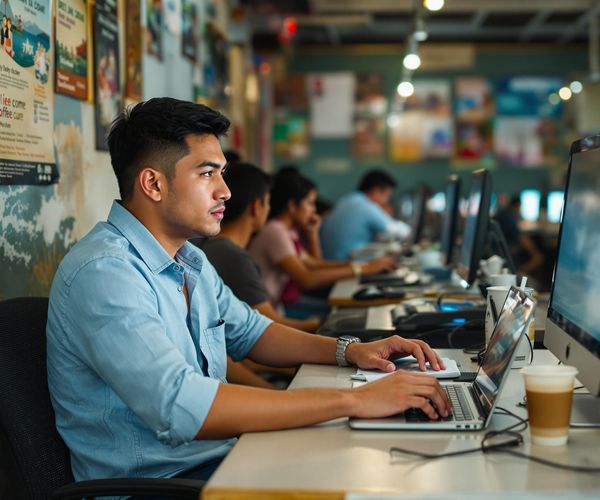
I've had my fair share of adventures and misadventures while working and traveling. One memorable experience was when I was in Thailand, preparing for a crucial client presentation, and the power went out due to a tropical storm. I had to scramble to find a local internet café with a generator to ensure I could deliver the presentation on time. It was a stressful situation, but it taught me the importance of having backup plans and staying calm under pressure.
Another lesson I've learned is the value of disconnecting from work and immersing myself in the local culture. During a trip to Italy, I made a conscious effort to put away my laptop and explore the local markets, museums, and restaurants. I discovered hidden gems, met fascinating people, and gained a deeper appreciation for the Italian way of life. These experiences not only enriched my travels but also inspired me to bring new perspectives and ideas to my work.
My advice to aspiring freelance nomads is to embrace the challenges, celebrate the successes, and never stop learning. The journey of balancing work and travel is a continuous process of growth, discovery, and self-improvement. So pack your bags, charge your laptop, and get ready to embark on an unforgettable adventure!
Discover the freedom of blending work and travel as a freelancer! Learn time management, remote workspace tips, and financial strategies for a fulfilling nomadic lifestyle.