Moving to Berlin was a turning point in my life, not just geographically, but linguistically. As a Singaporean, I grew up with English, Mandarin, Malay and Tamil all around me, but German felt like a whole new world. It wasn't just about grammar and vocabulary; it was about understanding a different culture. And that's when I realised the true joy of language learning through travel.
Why Travel is a Prime Language Learning Environment
There's something truly special about learning a language in the place where it's spoken. It's like stepping into a living textbook, where every interaction, every sign, and every conversation becomes a lesson. Immersion in a new culture provides a rich context for language acquisition that you simply can't replicate in a classroom.
Travel motivates language learning in a way that textbooks never could. When you're faced with the real-world need to order food, ask for directions, or simply connect with the people around you, the desire to communicate becomes a powerful driving force. It pushes you to step outside your comfort zone and put your language skills to the test. I remember when I first arrived in Berlin, I was determined to learn German, not just to survive, but to truly integrate into the community. The desire to understand the local culture and connect with my neighbours fueled my language learning journey.
Making the Most of Linguistic Opportunities on the Road
One of the best ways to improve your language skills while traveling is to engage with locals, even if you only know a few basic phrases. Don't be afraid to make mistakes; most people appreciate the effort you're making to communicate in their language. A simple Hallo or Danke can go a long way in building rapport and opening doors to further conversation.
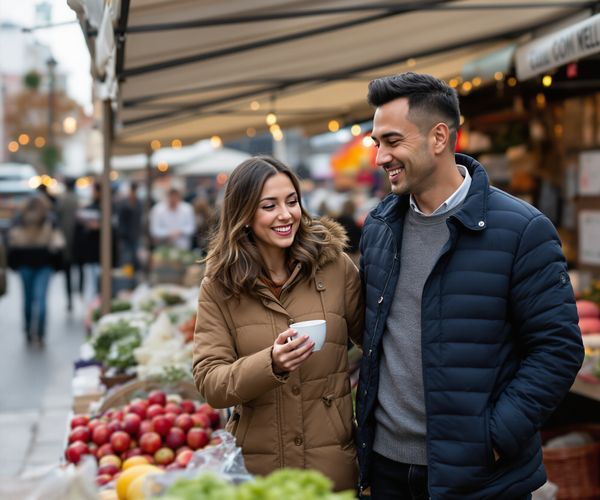
Attending local events, markets, and cafes provides ample opportunities to practice your language skills in authentic settings. Strike up conversations with vendors, ask questions about the products, or simply listen to the conversations around you. These interactions can help you learn new vocabulary and improve your listening comprehension. I often visit the local farmers market in my neighborhood in Berlin, not just to buy fresh produce, but to chat with the farmers and practice my German.
Another great way to improve your language skills is to seek out language exchange partners. Many cities have language exchange groups where you can meet native speakers who are interested in learning your language. This can be a fun and effective way to practice your conversational skills and learn about different cultures.
Leveraging Technology for Language Learning While Traveling
In today's digital age, there are countless technological tools available to help you learn a language while traveling. Language learning apps like Duolingo, Babbel, and Memrise offer interactive lessons and gamified exercises that can make learning fun and engaging.
Translation apps and online dictionaries can be invaluable resources when you're on the go. They can help you quickly look up unfamiliar words or phrases and communicate in situations where you don't know the local language. I often use Google Translate when I'm traveling in countries where I don't speak the language.
AI tools like ChatGPT can also be helpful for language practice and refinement. You can use them to practice your writing skills, get feedback on your grammar, or even have conversations in the language you're learning. It's like having a personal language tutor in your pocket!
Embracing Cultural Immersion Through Language
Language learning is about more than just memorizing vocabulary and grammar rules; it's about understanding the cultural nuances that shape the way people communicate. By understanding these nuances, you can gain a deeper appreciation for the culture and connect with people on a more meaningful level.
One way to immerse yourself in the local culture is to consume local media like music, TV, and newspapers. This can help you learn about current events, popular culture, and the way people think and feel. My wife, Mei, introduced me to German music and TV shows when I first moved to Berlin, and it really helped me to understand the culture better.
Participating in cultural activities like cooking classes and guided tours in the local language is another great way to immerse yourself in the culture and improve your language skills. These activities provide opportunities to learn new vocabulary and practice your conversational skills in a fun and engaging environment.
Practical Tips for Practicing a New Language During Travel
Before you travel to a new country, it's always a good idea to learn a few basic phrases. This shows respect for the local culture and can help you facilitate interactions with locals. Even a simple Hello, Thank you, and Excuse me can go a long way.
Don't be afraid to use non-verbal communication like gestures and body language to overcome language barriers. Sometimes, a smile and a point can be just as effective as a well-spoken sentence. I've found that people are often more willing to help if they see that you're making an effort to communicate, even if you don't speak their language fluently.
Record conversations and review them later to identify mistakes and improve your pronunciation. This can be a helpful way to track your progress and identify areas where you need to improve. I often record myself speaking German and then listen back to identify any pronunciation errors I'm making.
Explore how travel can be a fun and effective way to learn new languages and connect with local cultures.