Hey everyone, Jason here! Over the years, my travels have taken me to some incredible places, but it's always the food that leaves the most lasting impression. Food tourism isn't just about eating; it's about diving headfirst into the heart of a culture, understanding its history, and connecting with its people. Join me as I share some tips and stories from my culinary adventures!
What is Food Tourism?
Food tourism, at its core, is traveling to experience the cuisine of a particular place. It’s more than just ticking off dishes from a menu; it's about understanding the culture, history, and traditions woven into every bite. Food plays an integral role in shaping our identities and connecting us to our roots. It's the stories behind the recipes, the local ingredients, and the communal act of sharing a meal that truly define a culture.
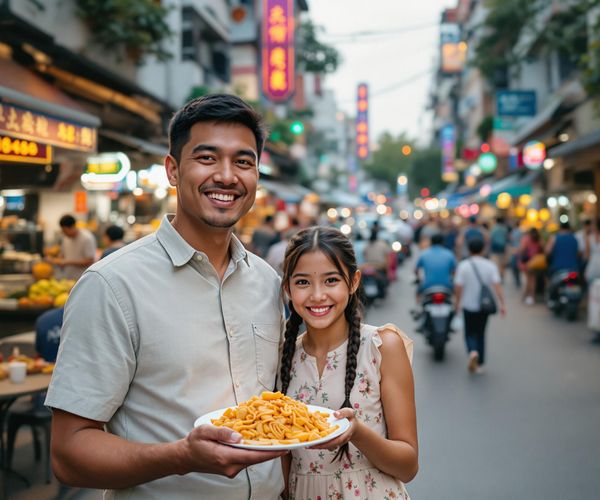
For me, my early food tourism experiences were eye-opening. I remember traveling through Southeast Asia and being amazed by the vibrant street food scenes. Each stall had a story, each dish a unique blend of flavors and spices that spoke volumes about the region's history. It wasn't just about satisfying my hunger; it was about connecting with the local community and understanding their way of life.
Planning Your Culinary Trip
Planning a culinary trip can be both exciting and overwhelming. The key is to do your research and tailor the experience to your preferences. First, consider your destination. Look into local specialties, regional ingredients, and unique dining experiences. Are you interested in exploring the street food of Bangkok, the pasta-making traditions of Italy, or the spice markets of Morocco?
Next, set a budget. Food tourism doesn't have to break the bank. You can balance fine dining experiences with affordable street food adventures. Don't be afraid to try local eateries and hole-in-the-wall restaurants; these are often where you'll find the most authentic flavors.
Also, consider your travel style. Are you traveling with family, embarking on a solo adventure, or joining a group tour? Family-friendly options might include cooking classes or food festivals, while solo travelers might enjoy exploring local markets and striking up conversations with vendors. Group tours can provide a structured way to discover culinary gems and gain insights from local guides.
One of my top tips for finding authentic food experiences is to talk to locals. Ask them for recommendations, read food blogs and reviews, and explore off-the-beaten-path eateries. Don't be afraid to venture beyond the tourist traps and discover hidden culinary gems.
Must-Try Food Tourism Activities
When it comes to food tourism activities, the possibilities are endless. Here are a few must-try experiences to consider:
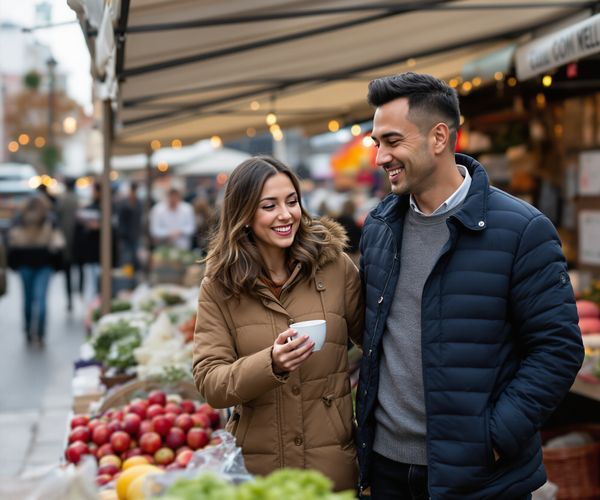
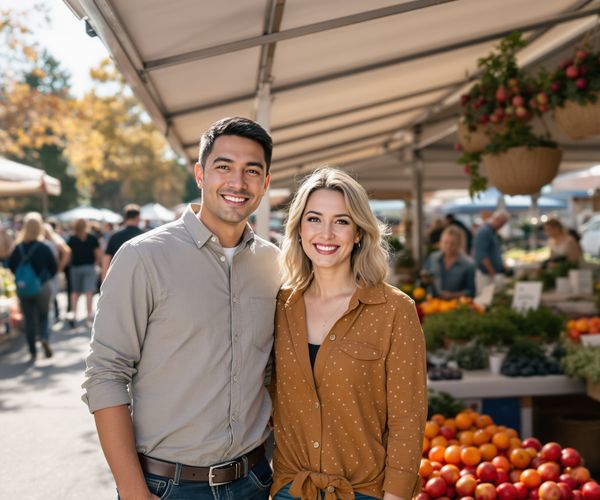
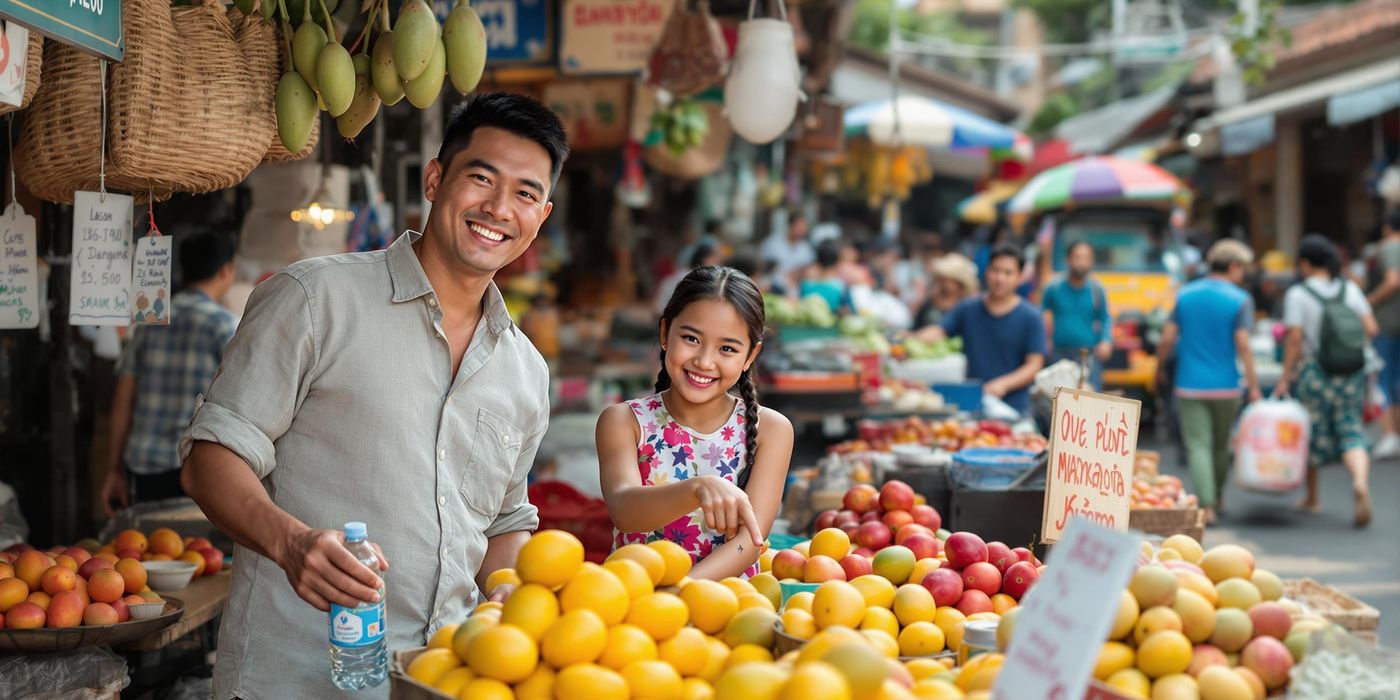
- Visiting local markets: Immerse yourself in the sights, sounds, and smells of a bustling market. Interact with vendors, sample regional products, and discover new ingredients. I love spending hours wandering through markets, discovering unique spices and produce that I've never seen before.
- Attending cooking classes: Learn traditional techniques, recreate dishes at home, and understand the cultural significance of certain foods. Cooking classes are a great way to gain hands-on experience and connect with local chefs.
- Taking food tours: Explore hidden culinary gems, taste diverse flavors, and gain insights from local guides. Food tours can provide a structured way to discover the best eats in a city.
- Dining with locals: Experience home-cooked meals, share stories, and connect on a personal level. Platforms like Traveling Spoon can connect you with local hosts who are eager to share their culinary traditions.
- Attending food festivals: Immerse yourself in local culinary traditions, taste a wide variety of dishes, and enjoy live music and cultural performances. Food festivals are a feast for the senses and a great way to celebrate local cuisine.
Sustainable Food Tourism
As travelers, it's essential to consider the impact of our choices on local economies and the environment. Sustainable food tourism is about making conscious decisions to support local businesses, reduce food waste, and minimize our carbon footprint.
One way to practice sustainable food tourism is to choose restaurants that source local and seasonal ingredients. This not only supports local farmers and producers but also ensures that you're eating the freshest, most flavorful food possible.
Reducing food waste is another important aspect of sustainable food tourism. Plan your meals, order consciously, and compost when possible. Many restaurants are now implementing practices to minimize food waste, such as using food scraps for stocks and broths.
Supporting businesses that prioritize sustainability is crucial. Look for farm-to-table restaurants, eco-friendly accommodations, and community-led initiatives. These businesses are committed to preserving local traditions and protecting the environment.
In my own travels, I've had the opportunity to visit organic farms, participate in community-supported agriculture (CSA) programs, and reduce single-use plastics. These experiences have reinforced the importance of making sustainable choices and supporting local communities.
Embracing Culinary Diversity
One of the greatest joys of food tourism is the opportunity to step outside your comfort zone and try new flavors. Embracing culinary diversity means exploring unfamiliar cuisines, challenging preconceived notions, and respecting cultural differences.
When trying a new cuisine, it's important to be open-minded and curious. Ask questions about the dishes, ingredients, and traditions. Be mindful of local customs and etiquette. Remember that food is more than just sustenance; it's a reflection of a culture's history, values, and beliefs.
Learning about the history and social context of food can deepen your appreciation for culinary diversity. Understand the origins of dishes, the stories behind ingredients, and the cultural significance of certain meals. This knowledge can transform a simple meal into a meaningful cultural experience.
I remember a time when I tried a new cuisine that completely changed my perspective. I was traveling in South America and decided to try a local delicacy that I had never heard of before. At first, I was hesitant, but I decided to embrace the experience and give it a try. To my surprise, I loved it! It was a unique blend of flavors and textures that I had never encountered before. This experience taught me the importance of being open to new experiences and challenging my own assumptions.
Explore the world of food tourism and discover how to connect with different cultures through their cuisines. Learn essential tips for planning a culinary trip.