Hey everyone, Jason here! Over the years, my travels have evolved. I used to rush from one landmark to another, ticking off destinations like items on a checklist. But somewhere along the way, I discovered the magic of slowing down. Now, I cherish the journey itself, immersing myself in the local culture and connecting with people along the way. This is the art of slow travel, and I'm excited to share my experiences and insights with you.
What is Slow Travel?
Slow travel is more than just a leisurely vacation; it's a conscious choice to travel with intention. It's a rejection of the whirlwind tours and crowded tourist traps that define conventional tourism. Instead of trying to see everything, slow travel encourages you to focus on experiencing a place deeply.
At its core, slow travel is built on three key principles:
- Connection: Forming meaningful relationships with locals and fellow travelers.
- Sustainability: Minimizing your environmental impact and supporting local economies.
- Immersion: Fully engaging with the culture, traditions, and daily life of a place.
It's about shifting your mindset from simply seeing a destination to truly experiencing it, allowing the journey to unfold organically and embracing the unexpected.
The Benefits of Taking Your Time
The rewards of slow travel are numerous and far-reaching. Here are just a few of the benefits I've personally experienced:
- Deeper Cultural Immersion and Understanding: When you slow down, you have the opportunity to truly connect with the local culture, learning about its history, traditions, and values.
- Reduced Stress and a More Relaxed Travel Experience: No more rushing from one place to another! Slow travel allows you to savor each moment and enjoy the journey without feeling overwhelmed.
- Opportunities for Authentic Connections with Locals: When you take the time to engage with the local community, you'll be surprised by the warmth and hospitality you encounter. These interactions can lead to lasting friendships and unforgettable memories.
- Support for Local Economies and Sustainable Practices: By choosing locally-owned accommodations, eating at family-run restaurants, and buying from local artisans, you're directly supporting the community and contributing to a more sustainable tourism model.
- Enhanced Personal Growth and Reflection: Slow travel provides ample opportunities for self-reflection and personal growth. Stepping outside of your comfort zone and immersing yourself in a new culture can broaden your perspective and challenge your assumptions.
Slowing Down: Practical Tips for the Intentional Traveler
So, how do you actually put the principles of slow travel into practice? Here are some practical tips that I've found helpful:
- Choose Fewer Destinations and Spend More Time in Each: Instead of trying to cram multiple cities into a single trip, focus on exploring one or two regions in depth. This will give you the time to truly immerse yourself in the local culture and discover hidden gems.
- Utilize Local Transportation (Trains, Buses, Bicycles) Instead of Flying: Not only is this more environmentally friendly, but it also allows you to see the countryside and experience the journey in a more authentic way. I've had some amazing conversations with locals on trains and buses!
- Stay in Locally-Owned Accommodations (Guesthouses, Homestays): This is a great way to support local businesses and get a more authentic experience. Plus, you'll often get insider tips from your hosts about the best things to see and do in the area.
- Engage with the Local Community Through Volunteering or Workshops: Volunteering is a fantastic way to give back to the community and connect with locals on a deeper level. Alternatively, consider taking a cooking class or attending a local workshop to learn a new skill and immerse yourself in the culture.
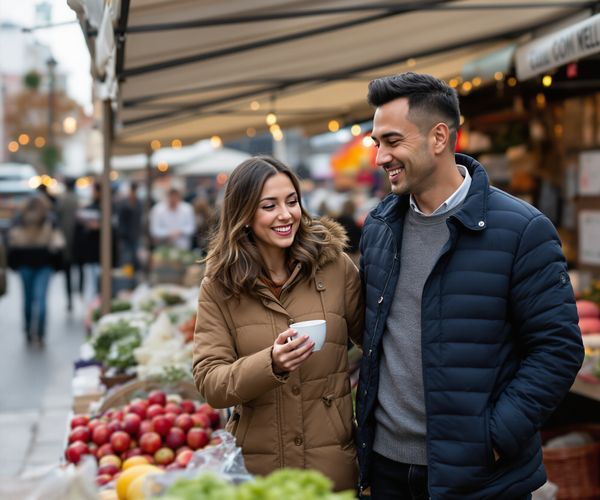
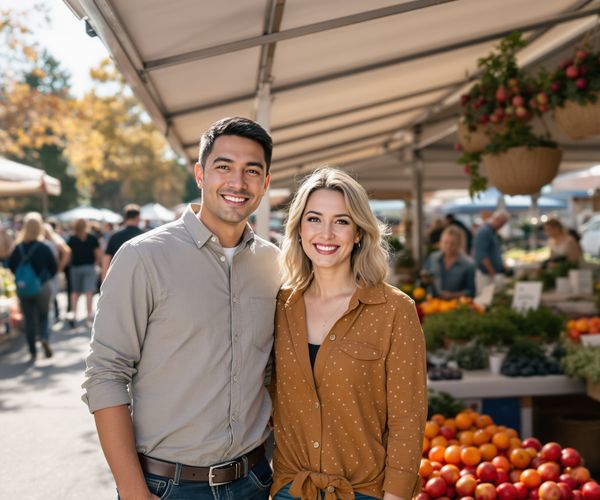
- Savor Local Cuisine at Family-Run Restaurants and Markets: Forget the tourist traps! Seek out small, family-run restaurants and local markets to sample authentic cuisine and support local farmers and food producers. Don't be afraid to try something new!
- Learn Basic Phrases in the Local Language: Even a few simple phrases can go a long way in building rapport with locals and showing your respect for their culture. It's also a lot of fun!
My Slow Travel Experiences: A Personal Touch
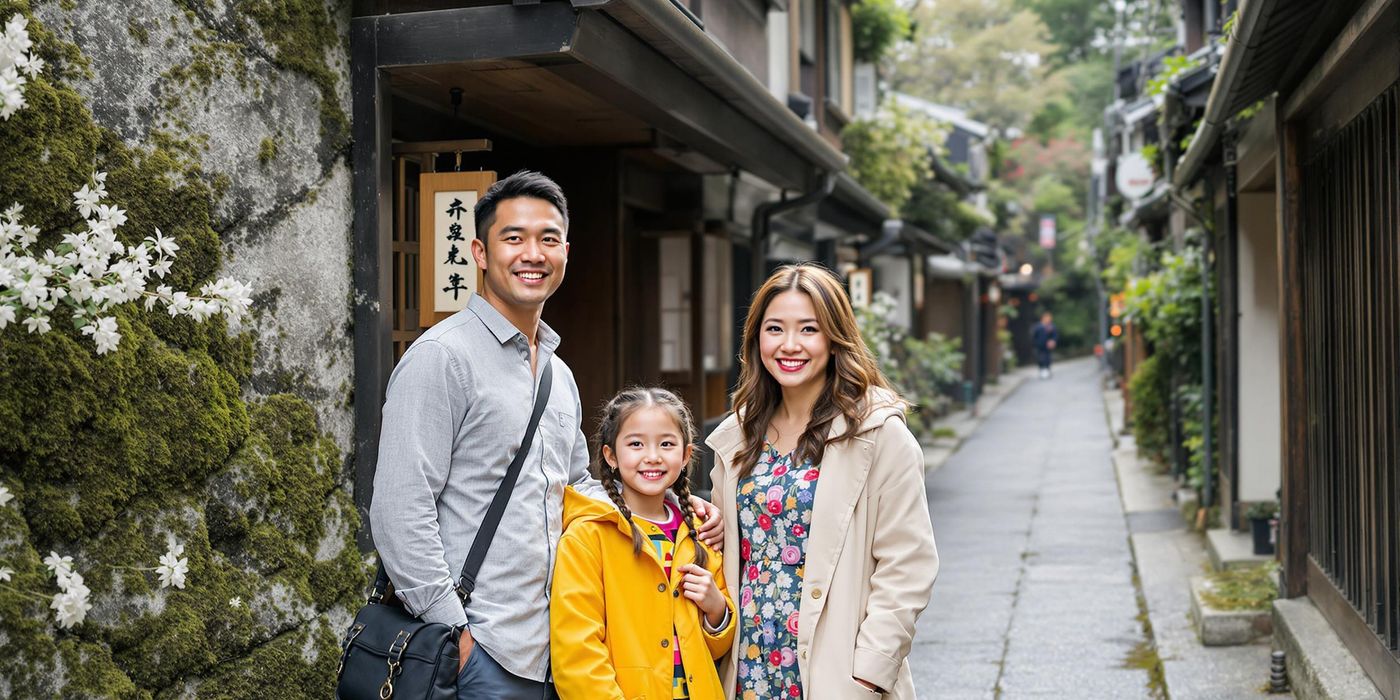
One of my most memorable slow travel experiences was in Kyoto, Japan. Instead of rushing through the famous temples and gardens, I decided to spend a week exploring a small, lesser-known neighborhood. I rented a traditional Machiya house, learned to make sushi from a local chef, and spent hours wandering through the narrow streets, chatting with shopkeepers and soaking up the atmosphere.
One afternoon, while exploring a hidden alleyway, I stumbled upon a small tea house. The owner, an elderly woman named Mrs. Tanaka, welcomed me in and shared stories about her life and the history of the neighborhood. We spent hours talking, sipping tea, and laughing together. It was an unexpected and unforgettable experience that wouldn't have been possible if I had been rushing from one tourist attraction to another.
Slow travel aligns perfectly with my values of sustainability and cultural appreciation. I believe that it's our responsibility to travel in a way that minimizes our impact on the environment and supports local communities. By taking things slow, we can create more meaningful and enriching travel experiences for ourselves and for the people we meet along the way.
Berlin and Beyond: Embracing Slow Travel Close to Home
You don't have to travel to far-flung destinations to experience the benefits of slow travel. In fact, there are plenty of opportunities to embrace this mindset right here in Berlin and the surrounding areas.
Consider taking a day trip to Potsdam, exploring the Sanssouci Palace and its beautiful gardens at a leisurely pace. Or, spend a weekend cycling along the Spreewald, a network of canals and waterways just south of Berlin. You could also explore Berlin's diverse neighborhoods, each with its own unique character and charm. Take the time to wander through the streets, visit local shops, and sample the cuisine at neighborhood restaurants.
The key is to approach your own region with a slow travel mindset, taking the time to appreciate the beauty and culture that surrounds you. You might be surprised by what you discover!
Discover the benefits of slow travel and how taking your time can lead to more meaningful travel experiences. Learn to embrace local cultures at a leisurely pace.