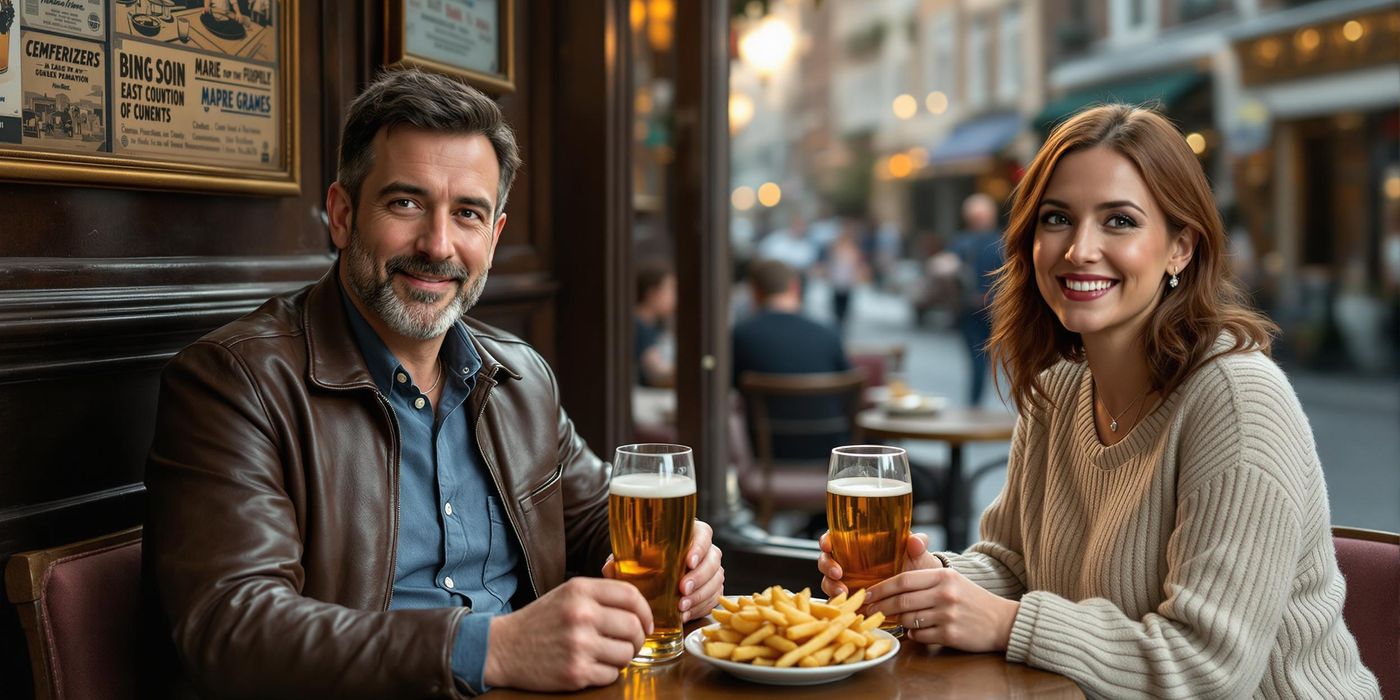
As an antique restorer, I've always appreciated the power of objects to tell stories. But sometimes, it's not about preserving the past, but capturing the present. That's where travel photography comes in. Over the years, my family and I have explored countless historical sites and charming locales, and I've learned a thing or two about capturing those memories through a lens. So, whether you're a seasoned photographer or just starting out, here's my guide to making the most of your travel photography adventures.
Choosing the Right Gear for Your Adventure
Selecting the right equipment is the first step in your travel photography journey. You don't need the most expensive gear, but having the right tools can make a significant difference. The best camera is the one you have with you, as they say, and that’s often true. But let's consider a few options.
Mirrorless cameras are a great option because they offer excellent image quality in a compact body. Models like the Fujifilm X-T50, with its retro design and film simulation modes, are fantastic for capturing the feel of a place. The Sony a6700 is another solid choice, known for its fast autofocus and impressive low-light performance. And let’s not forget smartphones! Modern smartphones have incredible cameras that can produce stunning images, especially in good lighting. The key is to learn how to use their features effectively.
When it comes to lenses, versatility is key. A lens like the Sony 24-70mm is a great all-rounder, allowing you to capture wide landscapes and detailed portraits. For Fujifilm users, the 16-55mm is another excellent option. Don't forget accessories. A travel tripod, like the Peak Design Travel Tripod, is essential for sharp images in low light. And always bring extra memory cards; you don't want to run out of space mid-adventure!
Mastering Composition Techniques
Composition is what transforms a simple snapshot into a compelling image. It's about arranging the elements within your frame to guide the viewer's eye and create a sense of balance and harmony.
The rule of thirds is a classic technique where you divide your frame into nine equal parts and place key elements along those lines or at their intersections. Leading lines can draw the viewer into the scene, whether it's a winding road or a row of trees. Symmetry can create a sense of order and balance, while framing uses elements like archways or foliage to draw attention to the subject.
Don't be afraid to experiment with different perspectives. Try shooting from a low angle to make your subject look grander, or from a high angle to show the scale of a landscape. Think about using foreground, midground, and background elements to create depth and dimension in your photos. Look for shapes, patterns, and negative space to add visual interest. And remember, sometimes the best composition is the simplest one. Avoid clutter and focus on what's essential to the story you're trying to tell.
Understanding Light and Timing
Light is the lifeblood of photography. It shapes the mood, reveals textures, and brings your subjects to life. Understanding how light works and how to use it to your advantage is crucial for capturing stunning travel photos.
The golden hours, those magical times just after sunrise and before sunset, are a photographer's best friend. The warm, soft light during these times can transform even the most ordinary scene into something extraordinary. The blue hour, the period just before sunrise and after sunset, casts a cool, ethereal glow that's perfect for capturing cityscapes and landscapes.
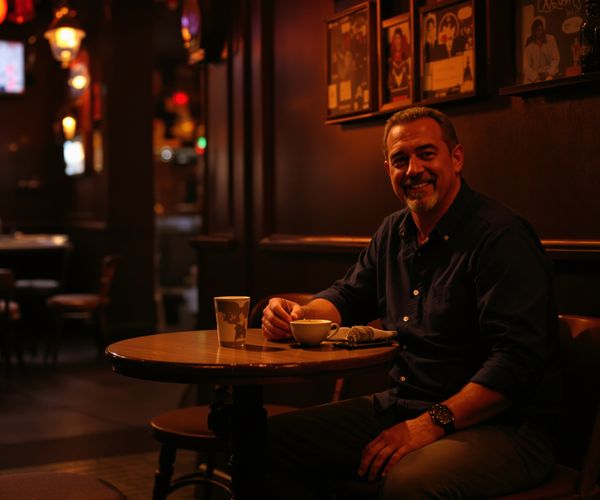
Shooting in harsh sunlight can be challenging, but not impossible. Look for shade, use a diffuser, or try shooting at midday when the sun is directly overhead. Overcast days can provide soft, even lighting that's ideal for portraits. At night, experiment with long exposures to capture the movement of light. If you're using artificial light, pay attention to its color temperature and how it affects the overall mood of your image. A fill flash can be useful for balancing the light in tricky situations.
The key is to observe how light changes throughout the day and plan your shoots accordingly. Pay attention to the direction, intensity, and color of the light, and use it to enhance your photos.
Telling Stories Through Your Lens
Travel photography is more than just taking pretty pictures; it's about telling stories. It's about capturing the essence of a place, its people, its culture, and its history. As an antique restorer, I see the stories embedded in old objects, and as a photographer, I try to capture the stories of the places I visit.
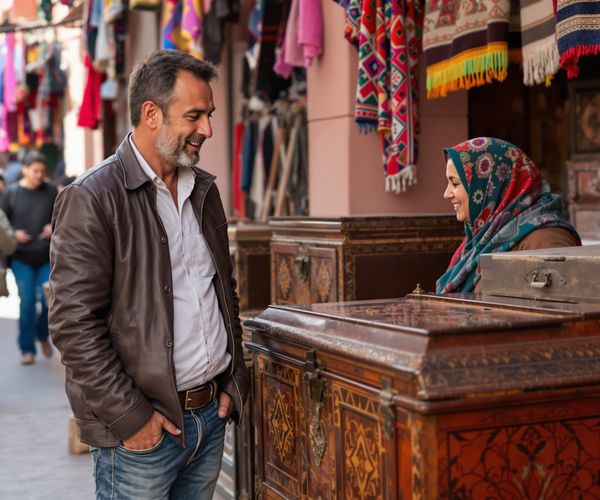
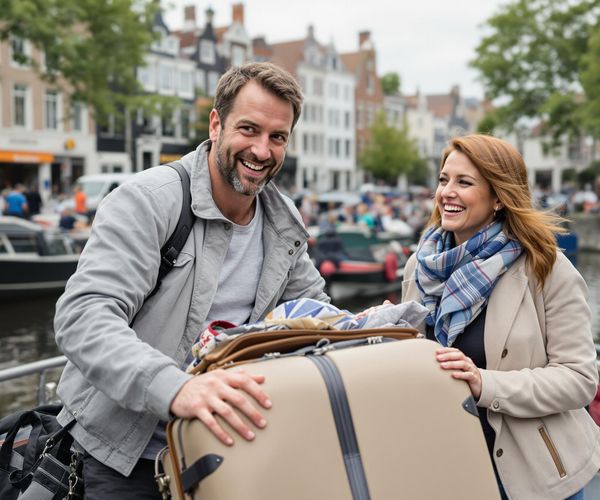
Focus on the details that make a place unique, whether it's the colorful facades of a Belgian town, the bustling streets of a Moroccan market, or the serene beauty of a Japanese garden. Capture the expressions on people's faces, the textures of their clothing, and the tools of their trade. Interact with locals, ask them about their lives, and listen to their stories. But always be respectful and ask permission before taking photos.
Use visual elements like color, texture, and emotion to convey a narrative. A vibrant splash of color can draw the viewer's eye, while a rough texture can evoke a sense of history. Focus on moments rather than just places. Capture candid shots of people going about their daily lives, children playing in the streets, or a couple sharing a quiet moment in a cafe. These are the moments that truly capture the essence of a place.
Essential Camera Settings and Techniques
Understanding your camera settings is essential for taking control of your photography. While automatic modes can be useful, learning how to adjust aperture, shutter speed, and ISO will give you the freedom to create the images you envision.
Aperture controls the depth of field, or how much of your image is in focus. Use a wide aperture (e.g., f/2.8) to create a shallow depth of field, blurring the background and drawing attention to your subject. Use a narrow aperture (e.g., f/16) to create a deep depth of field, keeping everything in focus from foreground to background. Aperture priority mode is a great way to control depth of field while letting the camera handle the shutter speed.
Shutter speed controls the amount of time the camera's shutter is open, allowing light to hit the sensor. Use a fast shutter speed (e.g., 1/500s) to freeze motion, like a bird in flight or a speeding car. Use a slow shutter speed (e.g., 1 second) to blur motion, like flowing water or moving clouds. Use a tripod for sharp images when shooting with slow shutter speeds.
ISO controls the sensitivity of your camera's sensor to light. Use a low ISO (e.g., 100) for clean, noise-free images in good lighting. Use a high ISO (e.g., 3200) in low-light conditions, but be aware that it can introduce noise into your images.
Experiment with different focusing techniques, including autofocus and manual focus. Autofocus is great for capturing moving subjects, while manual focus gives you more control over where the focus point is. The most important thing is to experiment with different settings and find what works best for you. Don't be afraid to make mistakes; that's how you learn.
Enhance your travel experience with photography. Learn how to capture the essence of your travels through the lens, with tips on composition, lighting, and storytelling.