
As an antique restorer, I've always been fascinated by the stories objects and places whisper to us from the past. My travels aren't just about seeing new landscapes; they're about connecting with history, understanding different cultures, and appreciating the intricate tapestry of human experience. Join me as I share my insights on how to truly appreciate historical sites, transforming your trips into journeys through time.
The Allure of Historical Sites
There's something inherently captivating about standing on ground where history unfolded. It's a primal human instinct to connect with our past, to understand where we come from. Historical sites offer a tangible link to different eras and cultures, allowing us to step, even if just for a moment, into the shoes of those who came before us.
These sites aren't just collections of old stones or artifacts; they are windows into understanding cultural, political, and social dynamics. By exploring them, we gain insights into the values, beliefs, and struggles of societies long gone. They teach us about innovation, resilience, and the cyclical nature of human progress.
Unlocking Stories: Research Before You Go
To truly appreciate a historical site, a bit of pre-visit research can go a long way. Imagine visiting the Gravensteen castle in Ghent without knowing about the counts of Flanders and their turbulent reign! The experience is so much richer when you have some context.
Start with the basics: guidebooks, tourism websites, and historical marker databases are great resources. Delve deeper by reading historical fiction or non-fiction related to the site. For instance, before visiting the battlefields of Waterloo, I immersed myself in accounts of the battle. It made walking those fields all the more poignant.
Don't overlook podcasts or documentaries. They can provide engaging background information, making the history come alive even before you set foot on the site. My wife, Marie, a librarian, always finds the best documentaries!
Engaging with Local Guides and Experts
While research is valuable, nothing beats the insight of a knowledgeable local guide. They can offer in-depth knowledge, share fascinating anecdotes, and answer questions that you might not even know to ask. It's like having a personal time-travel companion!
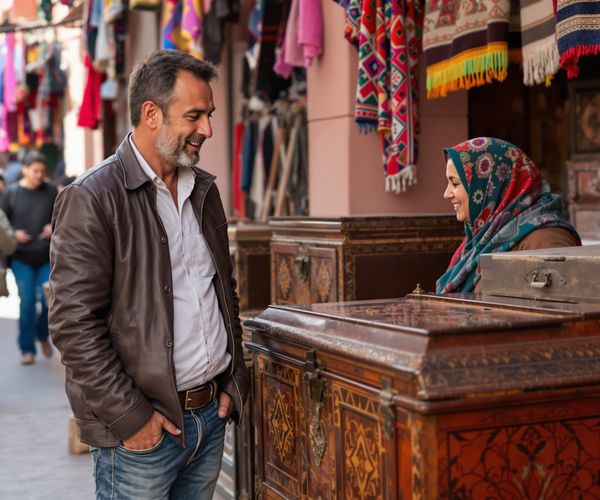
Seek out local experts, historians, or even archaeologists for unique perspectives. Often, these individuals have a deep personal connection to the site and can offer insights that you won't find in any guidebook. Chatting with the locals can also give you a better understanding of their connection to the site, and how they perceive its significance.
Whenever possible, support local guides and businesses. You're not only enriching your own experience but also contributing to the preservation of the site and the well-being of the community. It's a win-win!
Respecting the Site and its Significance
Visiting a historical site is a privilege, and it's essential to behave respectfully. These sites are often fragile and hold immense cultural significance. It is vital to follow site rules, avoid vandalism (no matter how tempting it might be to carve your name!), and be mindful of noise levels. Think of it as visiting someone's home – you'd want to be a courteous guest.
Understanding cultural protocols and sensitivities is crucial. What might be acceptable in one culture could be deeply offensive in another. Before visiting a site, take the time to learn about local customs and traditions.
Above all, remember that artifacts should be left undisturbed. Resist the urge to take a souvenir; these items belong to the site and future generations. Also, be sure to observe photography restrictions. Flash photography can damage delicate artifacts, and some sites may have other restrictions in place.
Experiencing History Through Multiple Senses
Don't just look at a historical site; experience it with all your senses. Imagine the site in its historical context, considering the lives of the people who lived there. What did they see, hear, smell, and taste?
Exploring local cuisine and crafts can provide a deeper understanding of the culture. Trying traditional dishes, visiting local markets, and observing artisans at work can bring the past to life in a way that no textbook ever could. One of my favorite memories is trying a medieval-inspired stew during a visit to a castle in the Ardennes!
Pay attention to architectural details and landscape features. The design of buildings, the layout of streets, and the surrounding environment can all tell stories about the past. Attending reenactments or cultural events can also immerse you in history. Seeing a historical battle recreated or participating in a traditional festival can be an unforgettable experience.
Learn how to enhance your travel experience by connecting with history, understanding different cultures, and appreciating the intricate tapestry of human experience.