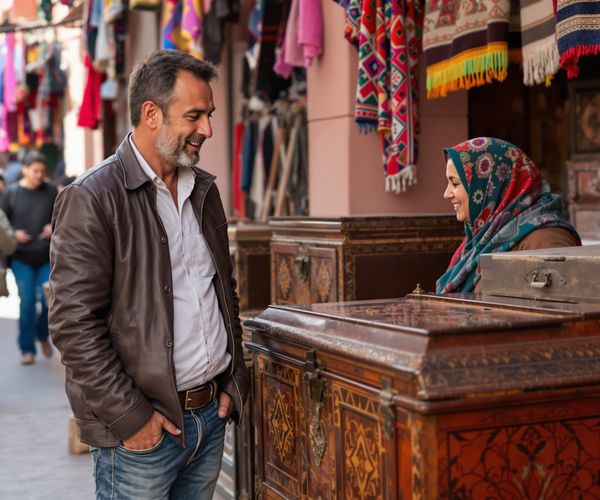

As an antique restorer, I've always believed that every object has a story to tell. The same goes for places. Travel writing, to me, isn't just about listing landmarks; it's about uncovering the stories embedded within them and sharing them in a way that resonates with others. It's about making the reader feel like they're right there with you, experiencing the sights, sounds, and emotions firsthand.
Finding Your Unique Voice and Perspective
What sets your travel stories apart? It’s your unique perspective. Think about it: millions of people visit the Eiffel Tower every year, but each one experiences it differently. Your background, your interests, and your personality all shape how you perceive the world, and that’s what makes your stories worth reading.
For me, my love of history, architecture, and art inevitably seeps into my travel writing. When I visit a new city, I'm not just seeing the sights; I'm examining the craftsmanship of the buildings, imagining the lives of the people who walked those streets centuries ago, and searching for hidden details that others might miss. Maybe you're a foodie who can describe the nuances of a local dish like no other, or perhaps you're a nature enthusiast who can capture the beauty of a landscape with breathtaking detail. Whatever your passion, let it shine through in your writing.
Don't be afraid to draw on your personal experiences, either. Did you have a funny encounter with a local? Did you stumble upon a hidden gem that wasn't in any guidebook? These are the moments that make your stories truly memorable.
Blending Personal Anecdotes with Vivid Descriptions
Personal anecdotes are the lifeblood of engaging travel writing. They create a connection with your readers and make them feel like they're traveling alongside you. But it's not enough to simply recount what happened; you need to bring those stories to life with vivid descriptions.
Engage all five senses. What did you see? What did you hear? What did you smell, taste, and touch? The more sensory details you include, the more immersive your writing will be. For example, instead of saying "the flea market was crowded," try something like: "The Antwerp flea market was a cacophony of sounds – the hawkers' cries, the clatter of vintage silverware, the lively chatter of locals haggling over prices. The air was thick with the aroma of freshly baked waffles and old books, a heady mix that transported me back in time."
Don't be afraid to show your emotions, either. Were you awestruck by the grandeur of a cathedral? Were you moved by the story of a local artisan? Let your readers feel what you felt. Authenticity is key to connecting with your audience.
Structuring Your Travel Narrative
A compelling travel story needs more than just beautiful descriptions and personal anecdotes; it also needs a clear narrative arc. Think of your story as a journey, with a beginning, a middle, and an end. Start by setting the scene and introducing your readers to the place you're writing about. Then, build tension by describing the challenges you faced or the discoveries you made along the way. Finally, reach a resolution by sharing your reflections on the experience.
There are many different types of travel writing to explore. Travel articles often focus on specific destinations or activities, while travel blogs offer a more personal and ongoing account of your travels. Travel guides provide practical information for travelers, while travel memoirs delve into the emotional and transformative aspects of travel. And then there are travelogues, which offer a more descriptive and observational account of a journey. Each style has its own unique conventions and expectations, so it's important to choose the one that best suits your story and your audience.
The Art of 'Showing, Not Telling'
One of the most important principles of good writing is "show, don't tell." This means using descriptive language and imagery to create a more immersive reading experience, rather than simply stating facts. For example, instead of saying "the sunset was beautiful," try something like: "The sun dipped below the horizon, painting the sky in hues of fiery orange, soft pink, and deep violet. The clouds shimmered like molten gold, casting long shadows across the landscape."
Focus on specific details that make a place unique. What are the sights, sounds, smells, tastes, and textures that define it? The more specific you are, the more vividly you'll bring the place to life for your readers. Instead of saying "the food was delicious," describe the specific flavors and textures of the dish. Instead of saying "the city was crowded," describe the faces of the people you saw and the sounds of the city around you.
Being Authentic and Honest in Your Writing
In today's world, readers crave authenticity. They want to hear your honest opinions and experiences, both the good and the bad. Don't be afraid to share your struggles, your doubts, and your mistakes. These are the things that make you human and relatable.
It's also important to be mindful of the ethical considerations of travel writing. Represent cultures and communities accurately and respectfully. Avoid stereotypes and generalizations. And be sure to give credit where credit is due. As travel writers, we have a responsibility to promote understanding and empathy between cultures.
So, go out there, explore the world, and share your stories with passion and authenticity. The world is waiting to hear what you have to say.
A guide to writing engaging travel stories, focusing on techniques for connecting with readers and conveying a sense of place. Emphasizing personal anecdotes and descriptive language.