
Ah, Belgium! Land of chocolates, beers, and... well, so much more! As an antique restorer, I've learned that the true beauty of a place lies not just in its monuments but in the stories etched into everyday life. And what better way to uncover those stories than through its food?
Embracing the Culinary Journey
I'll never forget the first time Marie, my wife, convinced me to try moules-frites from a tiny, unassuming stall near the Antwerp harbor. I'd always been a bit hesitant, sticking to what I knew. But that day, the explosion of flavors—the briny mussels, the crispy fries, the creamy sauce—it was a revelation! It wasn't just a meal; it was a conversation with the sea, with the history of Antwerp as a port city. Stepping outside your culinary comfort zone is like opening a door to a whole new world. Food isn't just sustenance; it's a cultural artifact, a piece of history served on a plate.
Finding Authentic Food Experiences
Before any trip, I always do a bit of digging. What are the local specialties? What's in season? Knowing what to expect gives you a head start. But the real trick is to ask the locals. Hotel staff, taxi drivers, the friendly shopkeeper—they're all goldmines of information. They know the hidden gems, the places where the locals eat. Venture beyond the tourist traps. Those charming little bistros tucked away on side streets often offer the most authentic and memorable culinary experiences. It's about finding the places where the food is made with love and tradition, not just for the tourists.
Navigating Local Food Markets
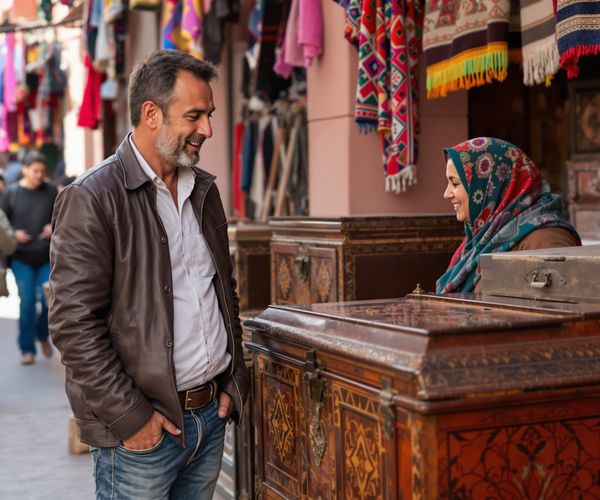
Oh, the markets! As someone who enjoys spending his weekends browsing the local flea markets, I can tell you that a food market is an adventure for all the senses. The vibrant colors, the fragrant aromas, the lively chatter—it's a feast for the soul. Don't be shy! Interact with the vendors. Ask them about their products. Sample the local cheeses, charcuterie, and pastries. Remember to be respectful. Bargaining is often acceptable, but do it with a smile and a friendly attitude. And most importantly, be mindful of local customs. Observe how the locals interact and follow their lead. A little respect goes a long way.
Engaging with Locals Through Cuisine
Want to truly immerse yourself in a culture? Take a cooking class! Learning to prepare traditional dishes alongside local chefs or families is an incredible experience. You'll not only learn new recipes but also gain insights into the cultural significance of the ingredients and cooking techniques. Keep an eye out for local food festivals or community dinners. These events are a fantastic way to mingle with locals, sample a wide variety of dishes, and experience the communal aspect of food. And don't be afraid to strike up a conversation with the locals about their cuisine. Ask them about their favorite dishes, their family traditions, and the stories behind their food. You'll be surprised at how eager people are to share their culinary heritage.
Understanding Cultural Significance Through Food
Food is more than just what we eat; it's a reflection of a region's history, geography, and culture. Historical events, religious practices, and local resources all shape a region's cuisine. Take Belgian fries, for example. While often associated with France, they are a Belgian creation, born out of necessity during a harsh winter when fish was scarce. Or consider stoemp, a hearty dish of mashed potatoes and vegetables, reflecting the country's agricultural roots and the need for simple, nourishing meals. Food expresses love, preserves traditions, and fosters community bonds. It's a universal language that connects us all. So, the next time you travel, don't just eat the food; savor it, explore it, and let it tell you the story of the place you're visiting.
Discover authentic flavors, navigate food markets, and enjoy culinary experiences like a local. Jef Peeters shares his tips for exploring local cuisine with confidence.