As an antique restorer, I've always been drawn to preserving the past. But it's not just about objects; it's about places, cultures, and the environment too. That's why sustainable travel resonates so deeply with me. It's about ensuring that future generations can experience the same wonders we do today.
The Essence of Sustainable Travel: A Personal Reflection
I remember a family trip to the Ardennes a few years back. We stayed in a charming, family-run guesthouse nestled in the hills. The owner, a local farmer, showed us how he used traditional methods to cultivate his land, respecting the natural ecosystem. It wasn't just a place to sleep; it was an immersion into a way of life. That's what sustainable travel means to me: connecting with a place on a deeper level, understanding its history, and contributing to its well-being.
To me, sustainable travel is about traveling in a way that minimizes negative impacts on the environment and local communities, while maximizing positive contributions. It's about respecting the culture, history, and natural beauty of a place, and ensuring that future generations can enjoy it as well. It's not just a trend; it's a responsibility.
Preserving cultural heritage and natural environments is crucial. These are the cornerstones of our shared human experience. By traveling sustainably, we can help protect these treasures for our children and grandchildren.
Reducing Your Environmental Footprint: Practical Tips from an Antique Restorer
Just like I carefully consider the materials and techniques I use in my restoration work, we should be mindful of our impact when we travel. Here are a few practical tips:
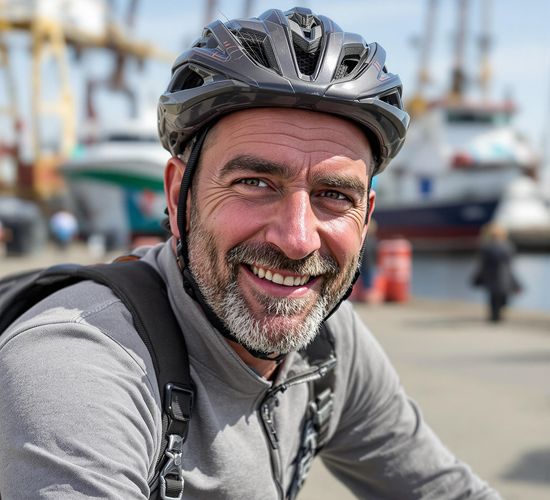
- Transportation: Antwerp, like many European cities, is incredibly bike-friendly. My family and I often explore the city on two wheels, discovering hidden gems and enjoying the fresh air. Walking is another great option, allowing you to soak in the atmosphere at a slower pace. And of course, public transport is a convenient and eco-friendly way to get around.
- Accommodation: When choosing a place to stay, look for eco-friendly certifications like the Green Key or the EU Ecolabel. Consider supporting locally owned guesthouses or hotels that prioritize sustainable practices, such as energy conservation, waste reduction, and water management.
- Waste Minimization: Pack reusable containers, water bottles, and shopping bags. Refuse single-use plastics whenever possible. When buying souvenirs, opt for locally made products that are durable and meaningful, rather than mass-produced trinkets that will end up in a landfill.
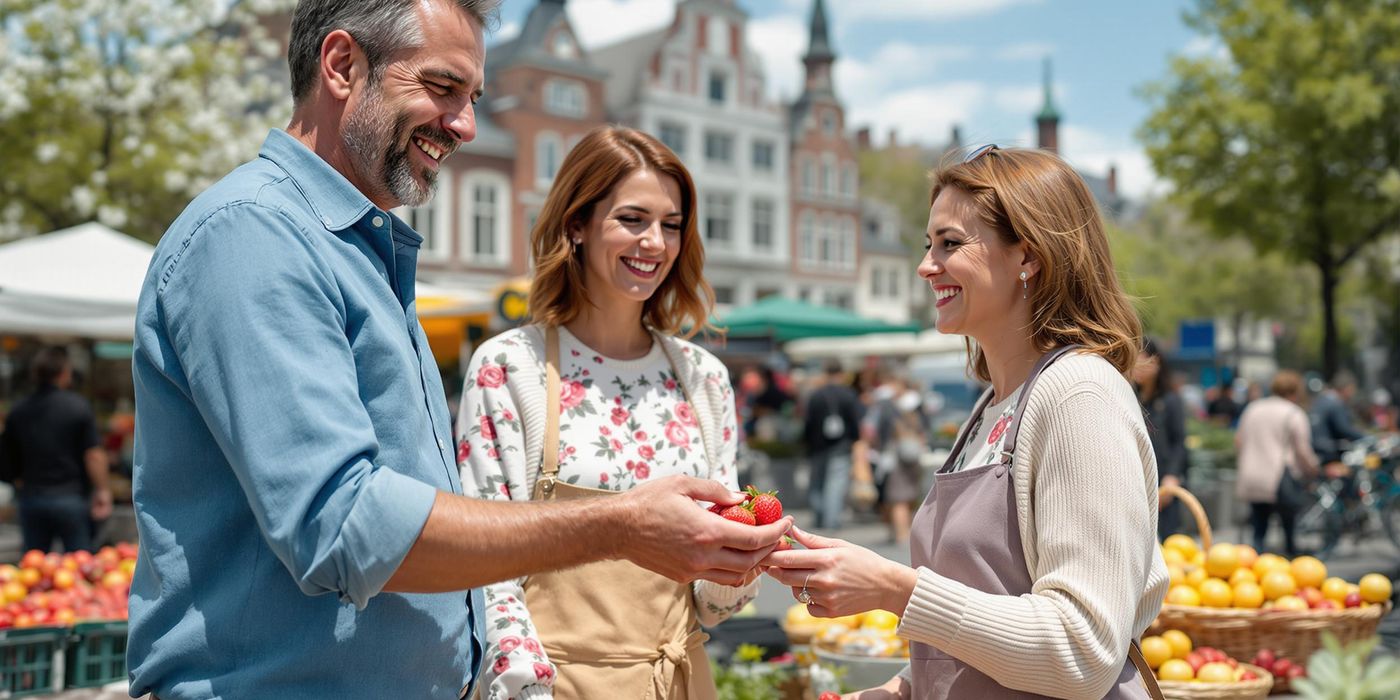
- Food Choices: Embrace local, seasonal cuisine. Visit farmers' markets and support restaurants that source their ingredients from local producers. Reducing meat consumption and choosing vegetarian options can also significantly lower your environmental impact.
Supporting Local Communities: More Than Just Buying Souvenirs
Travel isn't just about seeing new places; it's about connecting with the people who call those places home. Here's how you can support local communities in a meaningful way:
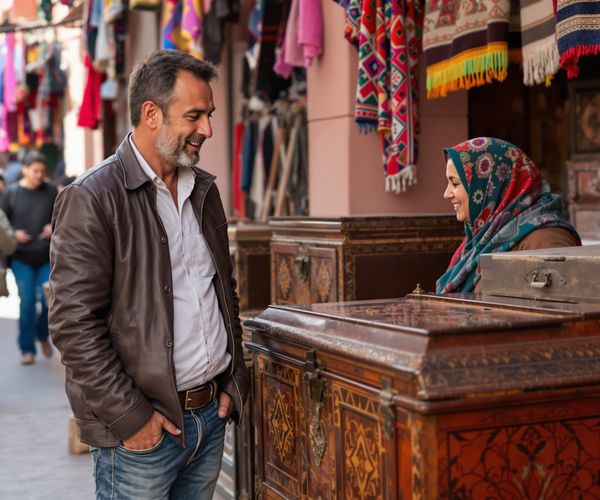
- Engage with Local Artisans: As an antique restorer, I deeply appreciate the value of handmade crafts and authentic experiences. Seek out local artisans and businesses, and learn about their craft. Buying directly from them ensures that your money goes directly to the community.
- Ethical Shopping: Be mindful of where your money is going. Look for fair trade products, understand the origin of goods, and avoid mass-produced items that exploit workers and resources. Support businesses that prioritize ethical labor practices and environmental sustainability.
- Community Initiatives: Consider volunteering your time or donating to local causes. Participate in cultural events and festivals, and learn about the community's history and traditions. These experiences will enrich your travel experience and create lasting connections.
- Respectful Interactions: Learning a few basic phrases in the local language can go a long way. Be mindful of local customs and traditions, and show genuine interest in the culture. Remember, you are a guest in their home.
Sustainable Travel in Practice: Examples from My Journeys
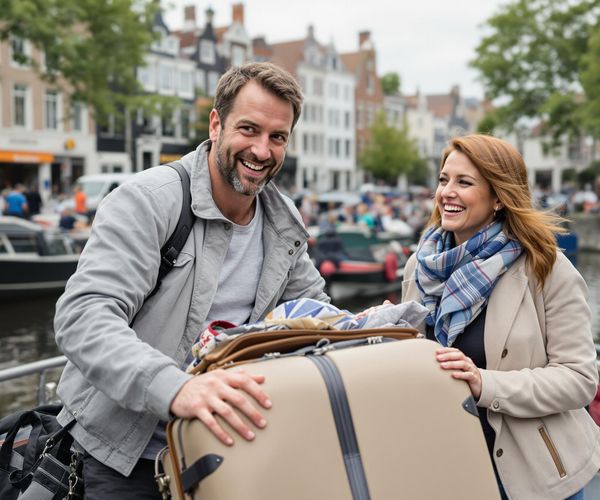
We try to incorporate sustainable practices into all our travels. For example, a few years ago, we took a cycling tour through the Netherlands. We stayed in small, family-run bed and breakfasts, ate at local restaurants, and explored the countryside at our own pace. It was a fantastic way to connect with the culture and the environment.
These experiences have taught us the benefits of slow travel. When you slow down, you have more time to appreciate the details, to connect with the people, and to discover the hidden gems that you might otherwise miss. It's also a much more relaxing and enjoyable way to travel.
Of course, there are challenges. Overcoming language barriers can be difficult, and finding sustainable options in less touristy areas can require some extra effort. But these challenges are also opportunities for growth and learning. They force you to step outside your comfort zone and to engage with the world in a more meaningful way.
The Future of Travel: A Call for Collective Responsibility
The world of travel is changing. More and more people are becoming aware of the importance of sustainability, and they are looking for ways to travel in a more responsible way. This is a positive trend, and I believe it will continue to grow in the years to come.
I encourage you to consider your own impact and to make conscious choices when planning your trips. Every small action can make a difference, from choosing a more sustainable mode of transportation to supporting local businesses. It's up to all of us – travelers, businesses, and governments – to promote sustainable tourism and to ensure that future generations can enjoy the wonders of our planet.
I believe that travel has the potential to be a force for good, enriching both the traveler and the host community. By traveling sustainably, we can not only protect our planet and our cultures, but also create meaningful connections and unforgettable experiences. Let's all do our part to make travel a force for positive change.
Learn how to travel responsibly and make a positive impact on the environment and local communities. Discover practical tips for sustainable travel.