
Hello fellow travelers! Jef Peeters here, your friendly neighborhood antique restorer from Antwerp. I've always believed that the beauty lies not just in the destination, but in the journey itself. That's why I'm excited to share my thoughts on the art of slow travel – a way to truly connect with the world around us, one deliberate step at a time.
What is Slow Travel?
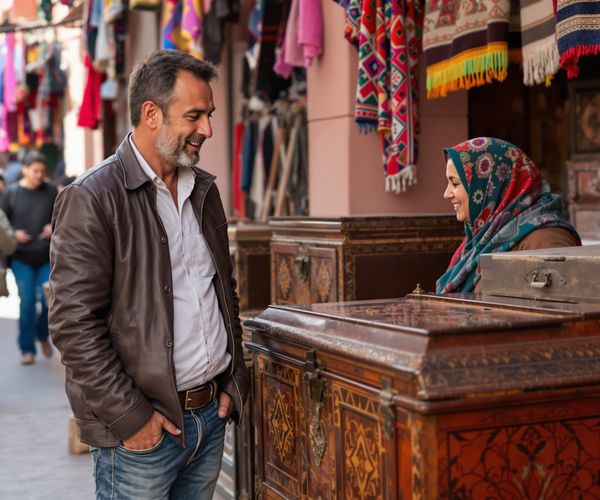
Slow travel, in its essence, is a deliberate departure from the whirlwind tours that often define modern tourism. It's about savoring each moment, connecting with the local culture, and embracing the unexpected detours along the way. Think of it as the antithesis of ticking off landmarks from a checklist. Instead, it's about immersing yourself in the rhythm of a place.
Unlike conventional tourism, which often prioritizes speed and efficiency, slow travel emphasizes connection, cultural immersion, and sustainability. It's about forging meaningful relationships with the people you meet, understanding their way of life, and leaving a positive impact on the communities you visit. It's about quality over quantity, depth over breadth.
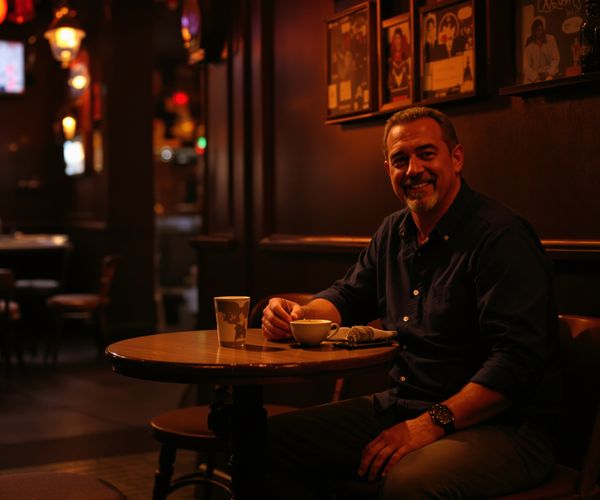
For me, slow travel resonates deeply with my personal interests. As an antique restorer, I appreciate the value of history and craftsmanship. I love wandering through ancient streets, admiring the architecture, and discovering the stories etched into the walls of old buildings. And, of course, I'm always eager to sample the local cuisine, from hearty stews to delicate pastries.
The Benefits of Taking it Slow
The advantages of slow travel are manifold. First and foremost, it reduces stress. Instead of rushing from one attraction to another, you have the time to relax, breathe, and simply be present in the moment. This can lead to enhanced well-being and a greater sense of inner peace.
Slow travel also allows for more authentic cultural experiences. Instead of just seeing the sights, you have the opportunity to learn the local language, try traditional dishes, and participate in cultural activities. Imagine taking a cooking class in Italy, learning to make pasta from scratch, or attending a traditional music festival in Ireland, dancing alongside the locals.
Beyond the immediate benefits, slow travel can also foster personal growth. By stepping outside of your comfort zone and immersing yourself in new cultures, you gain a deeper understanding of the world and your place in it. You may discover hidden talents, overcome fears, and develop a greater sense of empathy and compassion.
And let's not forget the potential for cost savings! By embracing slow travel, you can often save money on transportation, accommodation, and food. Consider shopping at local markets, cooking your own meals, and using public transport instead of taxis. These small changes can add up to significant savings, allowing you to travel for longer and experience more.
Planning a Slow Travel Itinerary
Planning a slow travel itinerary is different from planning a conventional vacation. It requires a shift in mindset, a willingness to embrace the unknown, and a focus on quality over quantity. Here are a few practical tips to get you started:
- Choose a destination that interests you and that offers opportunities for cultural immersion. Consider visiting a region with a rich history, a vibrant arts scene, or a unique culinary tradition.
- Allow ample time for exploration. Don't try to cram too much into your itinerary. Instead, focus on a smaller area and take the time to truly explore it.
- Be flexible and spontaneous. Don't be afraid to deviate from your planned itinerary if something interesting catches your eye. Some of the best travel experiences happen when you least expect them.
- Seek recommendations from locals. Talk to the people who live in the area and ask them for their suggestions. They can often point you to hidden gems that you won't find in any guidebook.
- Stay in locally owned accommodations. Instead of staying in a large hotel chain, consider staying in a guesthouse, a bed and breakfast, or a vacation rental. This will give you a more authentic experience and support the local economy.
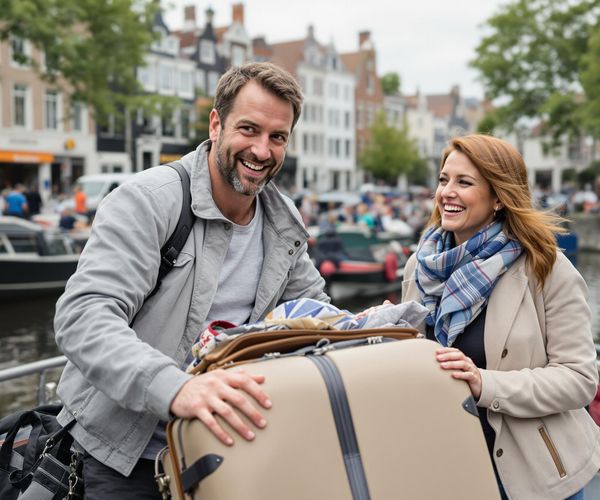
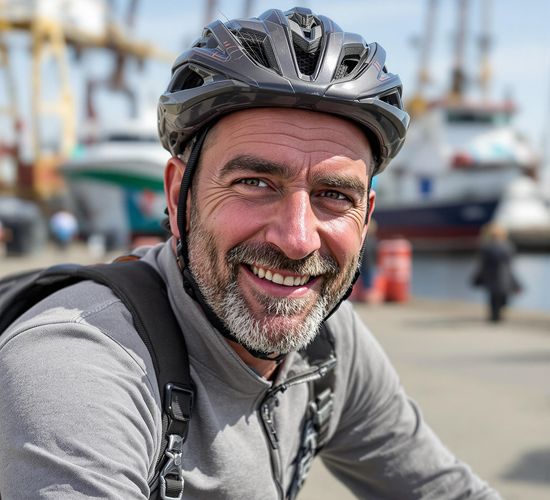
- Consider sustainable transportation options. When possible, travel by train, bus, or bicycle instead of flying or driving. This will reduce your carbon footprint and allow you to see more of the countryside.
Embracing Cultural Immersion
Cultural immersion is at the heart of slow travel. It's about engaging with the local culture in a meaningful way, rather than just observing it from a distance. Here are a few ideas for activities that promote cultural engagement:
- Attend local festivals and events. This is a great way to experience the local culture firsthand and meet new people.
- Visit museums and historical sites. This will give you a deeper understanding of the history and culture of the region.
- Take a cooking class. This is a fun and interactive way to learn about the local cuisine and try new dishes.
- Learn about local customs and traditions. This will help you avoid cultural faux pas and show respect for the local culture.
- Interact with locals. Talk to the people you meet and ask them about their lives and experiences. You may be surprised by what you learn.
- Visit historical sites and architectural landmarks to connect with the area's past. As an antique restorer, I always find this fascinating, uncovering the layers of history embedded in these places.
- Photography can be a wonderful way to document and appreciate the journey, capturing the essence of the places you visit and the people you meet. It's a way to preserve memories and share your experiences with others.
Personal Reflection and Growth
Slow travel is not just about seeing the world; it's also about seeing yourself. It's an opportunity to reflect on your life, your values, and your place in the world. Here are a few ways to facilitate personal reflection and self-discovery during your travels:
- Journal about your experiences and insights. Writing down your thoughts and feelings can help you process your experiences and gain a deeper understanding of yourself.
- Challenge yourself and step outside of your comfort zone. Try something new, face your fears, and push yourself to grow.
- Engage in activities that promote mindfulness and relaxation. Take a hike in nature, practice yoga, or simply sit and meditate. This will help you clear your mind and connect with your inner self.
So, there you have it – my thoughts on the art of slow travel. I hope this has inspired you to embrace the journey, connect with the world around you, and discover the transformative power of taking it slow. Happy travels!
An exploration of the slow travel movement, focusing on how travelers can immerse themselves in local cultures and experiences rather than rushing through destinations, by Jef Peeters.