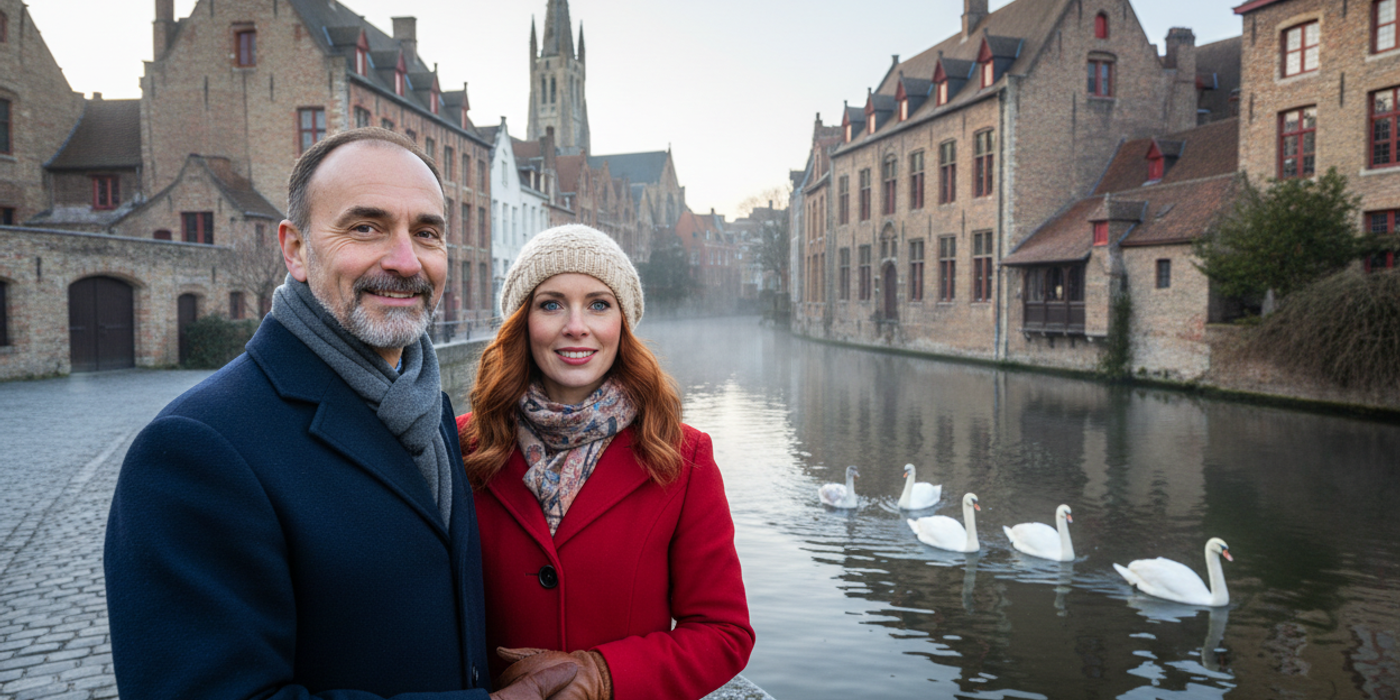
As an antique restorer, I've learned that true beauty and value are often found in the details, in the stories etched into the surfaces of objects. This philosophy extends to my travels as well. Forget rushing from one landmark to another; the real magic happens when you slow down, breathe in the atmosphere, and truly connect with a place.
What is Slow Travel?
Slow travel is more than just a leisurely vacation; it's a conscious choice to immerse yourself in a destination, to experience it on a deeper level. It's about savoring the journey, not just ticking off sights from a list. Unlike conventional tourism, which often prioritizes seeing as many attractions as possible in a limited time, slow travel emphasizes quality over quantity. It's about taking your time, exploring at a relaxed pace, and allowing yourself to be surprised by the unexpected.
The benefits are numerous. It allows you to truly appreciate the culture, connect with locals, and discover hidden gems that you might otherwise miss. It's a more sustainable and enriching way to travel, both for you and for the communities you visit.
Why Choose Slow Travel?
For me, the allure of slow travel lies in its ability to foster a deeper cultural immersion. When you're not rushing to the next tourist spot, you have the time to wander through local markets, observe daily life, and engage in conversations with residents. It's in these moments that you truly begin to understand a place and its people.
Slow travel also provides invaluable opportunities for personal growth and reflection. Stepping outside of your comfort zone, embracing the unknown, and connecting with different cultures can broaden your perspective and challenge your assumptions. Moreover, by choosing to travel slowly, you're reducing your environmental impact and supporting local communities and economies. You're more likely to patronize small businesses, eat at family-run restaurants, and stay in locally owned accommodations, all of which contribute to a more sustainable and authentic travel experience.
And let's not forget the joy of avoiding tourist traps and overcrowded destinations. Slow travel allows you to escape the crowds and discover hidden corners of a place that are often overlooked by mainstream tourism.
Embracing the Unexpected: My Experiences with Slow Travel
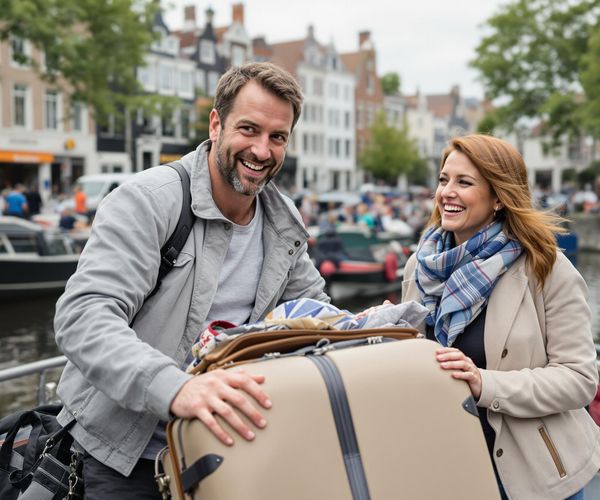
My most memorable travel experiences have been those where I've embraced the principles of slow travel, especially in my own Belgium. I recall a trip to Bruges, not for the famous Markt, but for the quiet canals in the morning. The way the light reflected on the water, the sound of the swans gliding by – it was magical.
Another time, in Ghent, I stumbled upon a small, family-run brewery tucked away in a quiet alleyway. I spent an afternoon chatting with the owner, learning about the brewing process, and sampling their delicious beers. It was an unplanned moment that turned into one of the highlights of my trip.
These experiences have taught me that the true beauty of travel lies not in seeing everything, but in truly experiencing something. It's about the connections you make, the stories you hear, and the memories you create. Slow travel has changed my perspective on travel, making me appreciate the beauty of unplanned moments and the richness of human connection.
Tips for Planning a Slow Travel Itinerary
If you're inspired to try slow travel, here are a few tips to help you plan your itinerary.
- Start by choosing destinations that align with your interests. Whether it's history, art, nature, or food, select places that genuinely excite you.
- Prioritize fewer locations for a more in-depth experience. Instead of trying to see an entire country in a week, focus on a smaller region and explore it thoroughly.
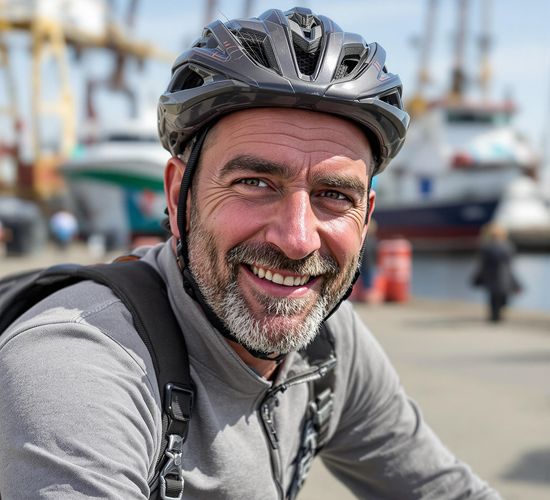
- Utilize local transportation options. Take trains, buses, or even bicycles to get around. This will allow you to see more of the countryside and interact with locals.
- Seek out authentic accommodations, such as guesthouses or family-run hotels. These offer a more personal and intimate experience than large chain hotels.
- Incorporate downtime and flexibility into your schedule. Don't over-plan your days. Leave room for spontaneity and allow yourself to simply wander and explore.
- And finally, learn basic phrases in the local language. Even a few simple words can go a long way in building connections with locals.
Connecting with Locals: The Heart of Slow Travel
For me, the heart of slow travel lies in connecting with locals. It's about engaging in conversations with residents, learning about their lives, and sharing your own stories. It's about participating in local activities and events, whether it's a traditional festival, a cooking class, or a community gathering.
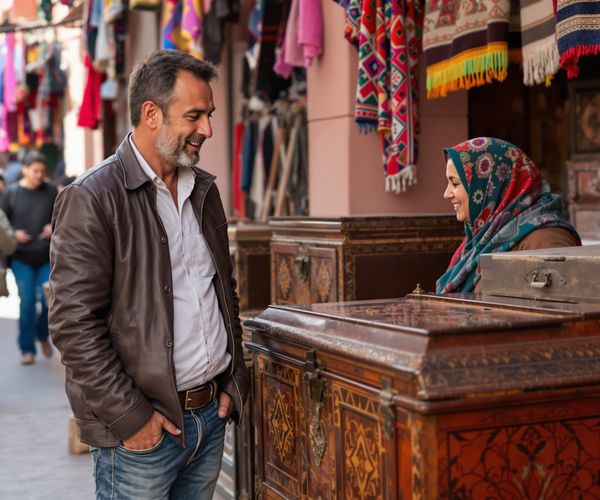
Visiting markets and shops to support local artisans is another great way to connect with the community. You'll not only find unique souvenirs, but you'll also be supporting the local economy and preserving traditional crafts. And don't be afraid to ask questions and learn about the history and culture from those who live it. The value of shared meals and experiences cannot be overstated. Sharing a meal with a local family or joining a cooking class is a wonderful way to learn about their culture and build lasting connections.
Savoring the Moment: The Art of Observation
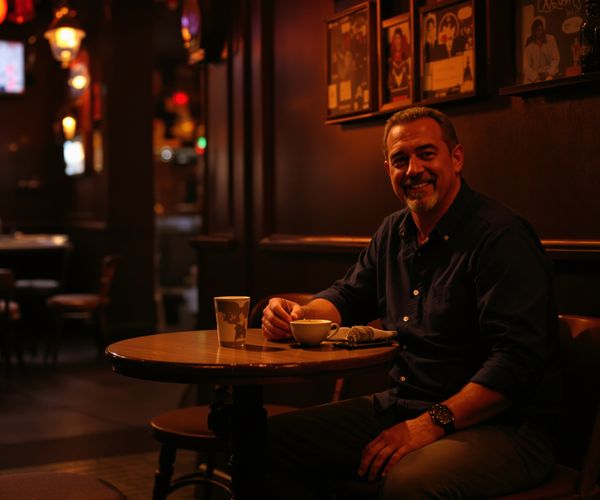
Slow travel is also about savoring the moment and appreciating the details of your surroundings. It's about paying attention to the architecture, art, and natural beauty that surrounds you. Take time to simply sit in a park and observe the people passing by. Listen to the sounds of the city or the countryside. Engage your senses: taste local flavors, listen to local music, feel the textures of handmade crafts.
There's a joy in simply being present in the moment, without the need to rush or accomplish anything. Photography can also enhance your experience, allowing you to capture the beauty of the moment and preserve it for years to come. But remember, the goal is not just to take photos, but to truly see and experience what you're photographing.
Discover the art of slow travel and how it can enrich your travel experience. Learn to savor each moment and truly immerse yourself in the culture with tips and personal stories.