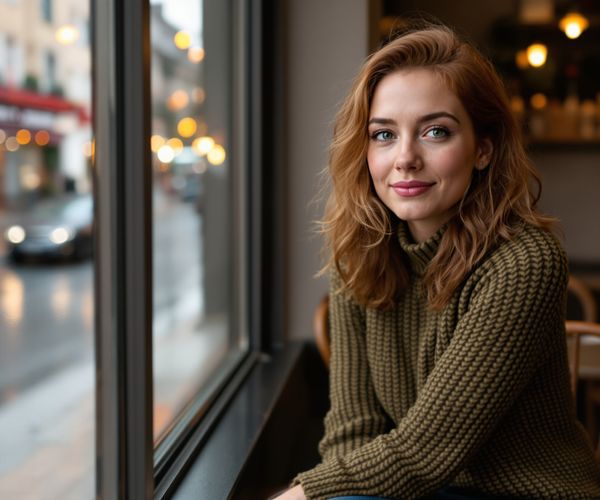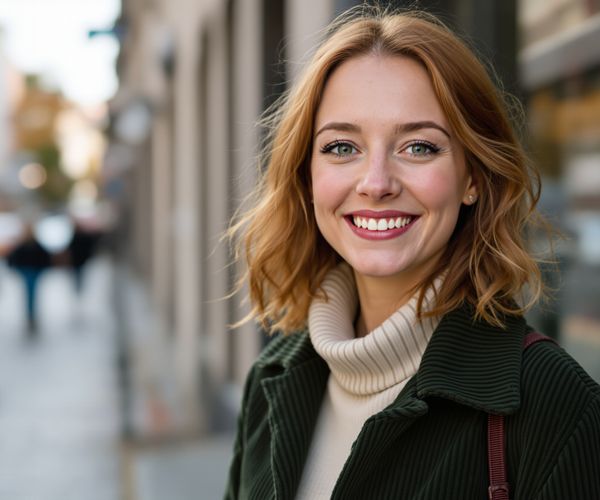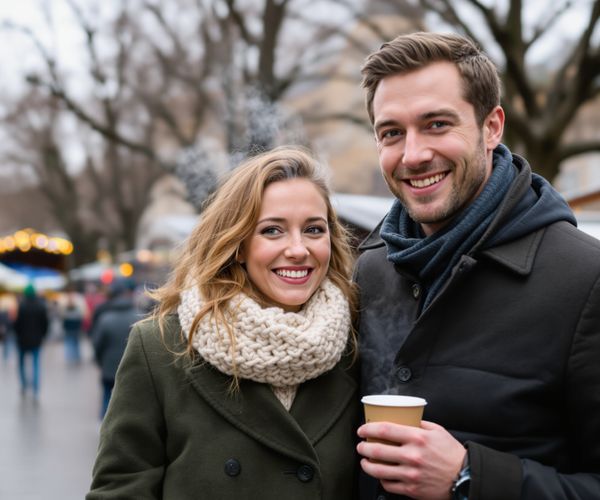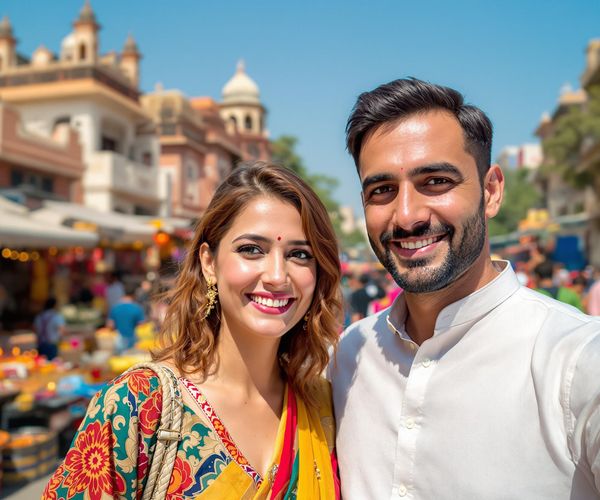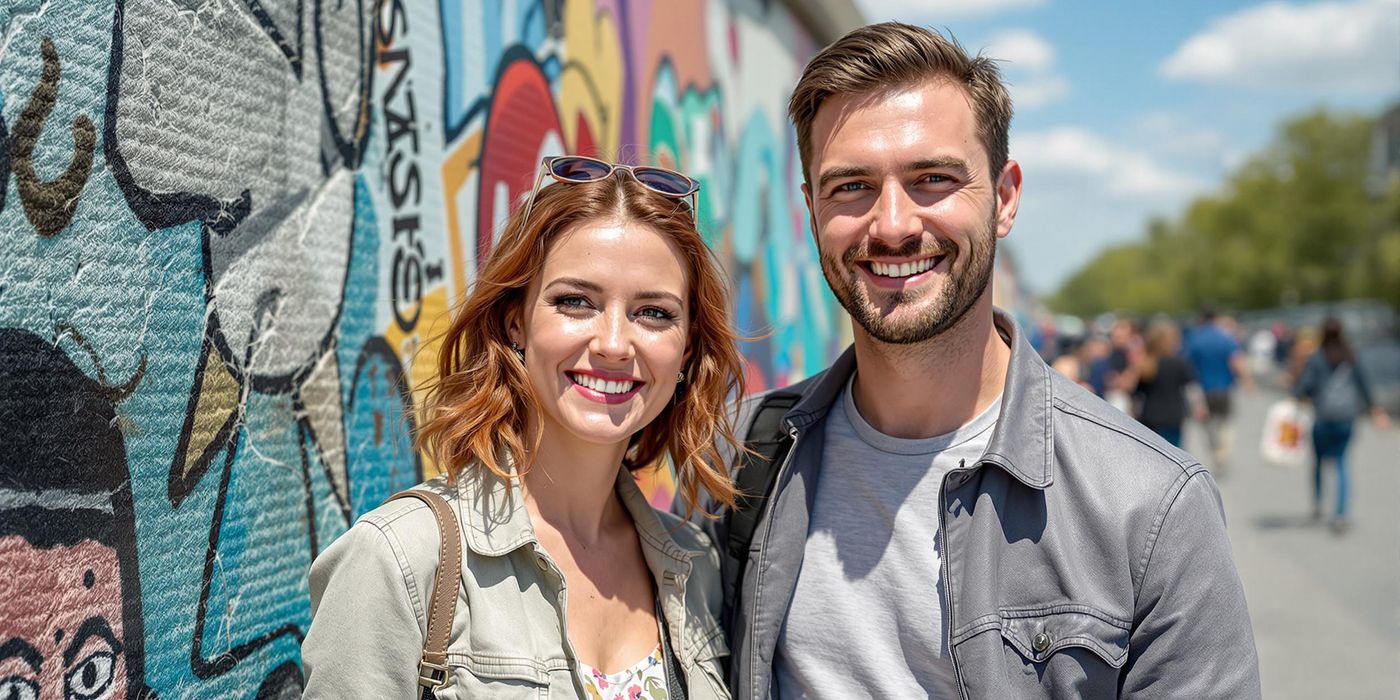
Berlin, with its vibrant street art and historical landmarks, sparked my love for travel photography. Now, I'm excited to share some tips I've learned along the way to help you capture your own adventures in stunning detail. Whether you're a beginner or have some experience, these techniques will enhance your storytelling through images.
The Essence of Storytelling in Travel Photography
Travel photography is more than just taking pretty pictures; it's about telling a story. Each photo can capture a piece of a culture, portray the emotion of its people, document a moment in history, or highlight intricate details that might otherwise go unnoticed. When I wander through a new city, like the bustling markets of Marrakech or the serene temples of Kyoto, I try to think of my camera as a storyteller. What story does this place have to tell? How can I convey that through my lens?
A great photograph transcends language barriers. It connects people from different backgrounds, allowing them to experience a place or moment as if they were there themselves. This is what inspires me most about travel photography—the ability to share my experiences and connect with others on a deeper level.
Composition Techniques for Visually Engaging Photos
Composition is key to creating visually appealing photographs. Here are a few techniques that I find incredibly useful:
- Rule of Thirds: Imagine dividing your frame into nine equal parts with two horizontal and two vertical lines. Place key elements of your scene along these lines or at the points where they intersect. This creates a more balanced and interesting composition.
- Leading Lines: Use lines to draw the viewer's eye into the image. Roads, rivers, fences, and even rows of trees can serve as leading lines, creating depth and guiding the viewer through the scene.
- Depth Creation: Incorporate elements in the foreground, midground, and background to create a sense of depth. For example, when photographing a mountain range, include a field of wildflowers in the foreground to add perspective.
- Symmetry: Look for symmetrical scenes to create balance and visual interest. Reflections in water, architectural details, and patterns in nature can all provide opportunities for symmetrical compositions.
- Experiment with Perspectives: Don't be afraid to try different angles. Shooting from a high angle can give a panoramic view, while a low angle can make a subject appear larger and more imposing. Get creative and see what works best for your subject.
Understanding Light: The Key to Stunning Travel Photos
Light is arguably the most important element in photography. Observing and understanding how light affects your subject can make a huge difference in the final image.
- Golden Hour and Blue Hour: The 'golden hour' (the hour after sunrise and the hour before sunset) and the 'blue hour' (the period of twilight just before sunrise and just after sunset) offer soft, warm light that is perfect for capturing stunning landscapes and portraits. Plan your shoots around these times for the best results.
- Harsh Midday Sun: Shooting in harsh midday sun can be challenging, but you can still get great shots by using shadows creatively. Look for interesting patterns created by shadows or use them to add contrast to your images.
- Natural Light: Use natural light to enhance colors and textures. Overcast days can actually be great for photography, as the soft, diffused light minimizes harsh shadows and brings out the true colors of your subject.
- Backlighting: Position your subject with the light source behind them to create a silhouette or a soft, ethereal glow. This technique can add a 3D depth to your photos.
- Polarizing Filter: Consider using a polarizing filter to reduce glare and reflections, especially when shooting water or landscapes. It can also enhance colors and increase contrast.
Capturing Unique Moments and Details
Don't just focus on the big landmarks; pay attention to the small details that make a place unique. Capture the vibrant colors of a spice market, the intricate textures of a handwoven rug, or the unique shapes of local architecture.
- Photographing People: When photographing people, try to capture their emotions and tell their stories. Ask for permission before taking their picture, and be respectful of their culture and customs. Candid moments often make for the most compelling shots.
- Candid Moments and Street Photography: Street photography is all about capturing everyday life as it unfolds. Be patient, observe your surroundings, and wait for the right moment to capture a candid shot. Look for interesting interactions, expressions, and compositions.
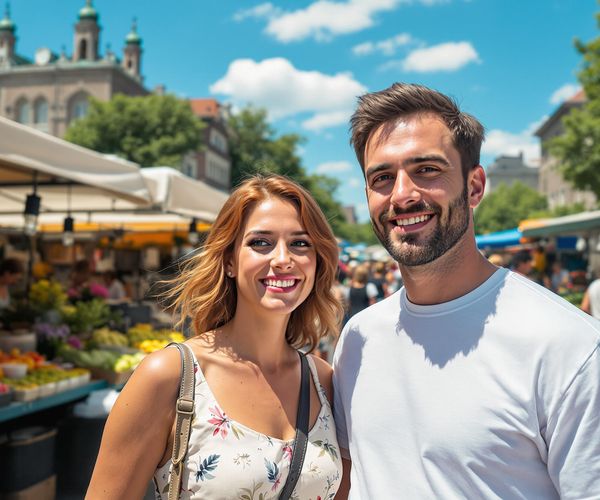
- Including Travel Companions: Adding your travel companions to your photos can add a personal touch and create lasting memories. Capture them interacting with the environment, trying local foods, or simply enjoying the scenery.
- Researching Locations: Before you go, research your destination and look for unique photo opportunities. Check out local blogs, travel guides, and social media to find hidden gems and off-the-beaten-path locations.
Essential Gear and Camera Settings for Travel Photography
While having the latest and greatest gear can be nice, it's more important to know your camera and its settings. Here are some essential tips:
- Know Your Camera: Take the time to understand your camera's settings and how they affect your images. Experiment with different modes and settings to find what works best for you.
- Aperture, Shutter Speed, and ISO: Learn how to use aperture, shutter speed, and ISO to achieve different effects. Aperture controls the depth of field, shutter speed controls motion blur, and ISO controls the sensitivity to light. Experiment with these settings to create the look you want.
- Choosing the Right Lenses: A wide-angle lens is great for capturing landscapes and architecture, while a zoom lens is useful for capturing distant subjects and details. Consider bringing a versatile lens that covers a range of focal lengths.
- Tripod for Low-Light Photography: A tripod is essential for low-light photography, as it allows you to use longer shutter speeds without blurring the image. It's also useful for capturing sharp landscapes and architectural shots.
- Action Cameras and Small Camera Bags: Action cameras are great for capturing adventurous activities, while a small camera bag can help you stay organized and protect your gear while on the go.
Enhance your travel photography skills with tips on composition, lighting, and storytelling to capture memorable moments on your journeys.