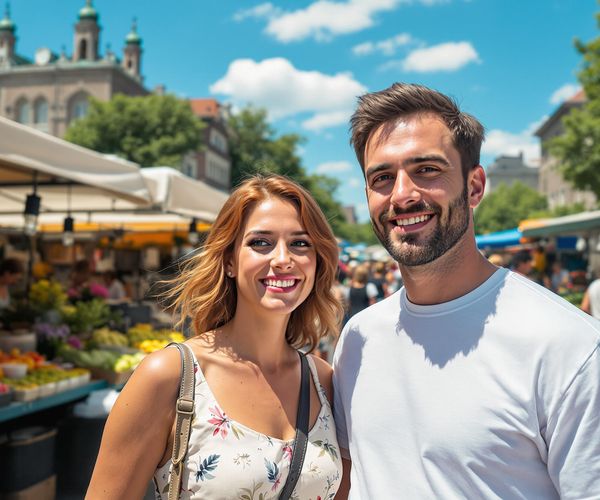
Hey fellow travelers! Jennifer here, ready to share some essential tips to keep you safe and sound on your globetrotting adventures. As someone who's called Berlin home for the past few years, and with countless trips under my belt, I've learned a thing or two about staying safe while exploring the world. So, grab a cup of coffee (or tea, if you're in Europe!), and let's dive into how you can make your next trip your safest one yet.
Pre-Trip Planning: Knowledge is Your First Defense
Before you even pack your bags, a little research can go a long way in ensuring a smooth and secure trip. Start by thoroughly researching your destination. Understanding the local laws, customs, and potential risks is crucial. For example, knowing that jaywalking is frowned upon (and sometimes fined!) in Germany was a lifesaver when I first arrived!
Always check travel advisories and alerts issued by your government and international organizations. These provide valuable insights into potential safety concerns. Make copies of all your important documents – passport, visa, tickets – and store them separately from the originals. I usually keep a digital copy on my phone and a hard copy in my suitcase. And most importantly, share your itinerary with family or friends so they know your whereabouts.
Health Precautions: Prioritizing Well-being on the Road
Your health is your wealth, especially when traveling! Before you embark on your journey, consult with a healthcare provider about necessary vaccinations and any health advice specific to your destination. Since I'm based in Berlin, it's important to note that while German health insurance is excellent, it might not cover everything abroad. Travel insurance is a must!
Pack a comprehensive travel health kit with essential medications, first-aid supplies, and personal hygiene items. Ensure you have access to any necessary prescriptions and understand the regulations for bringing medication abroad. Be extra mindful of food and water safety, particularly if you're traveling to developing countries. When in doubt, stick to bottled water and well-cooked meals.
Personal Security: Staying Aware and Proactive
One of the most important aspects of travel safety is simply being aware of your surroundings. Avoid drawing unnecessary attention to yourself by flashing expensive jewelry or electronics. Use secure methods for carrying money and valuables, such as a money belt or hidden pouch. I personally prefer a cross-body bag that I can keep close to my body.
Be cautious when interacting with strangers and avoid sharing personal information. Knowing emergency contact information and local emergency numbers is crucial. Program them into your phone and keep a written copy in your wallet. Utilize hotel safes and other security measures to protect your belongings. It's better to be safe than sorry!
Digital Safety: Protecting Your Information Online
In today's digital age, protecting your online information is just as important as protecting your physical belongings. Be extremely cautious when using public Wi-Fi networks, as they are often unsecured. Avoid sensitive transactions like online banking or shopping on public Wi-Fi. Use strong, unique passwords for all your online accounts and enable two-factor authentication whenever possible.
Be wary of online scams and phishing attempts, which can be especially prevalent when traveling. Back up important data and consider using cloud storage for easy access in case your devices are lost or stolen. A Virtual Private Network (VPN) can provide an extra layer of security for your browsing activities, especially on public networks.
Emergency Preparedness: Planning for the Unexpected
No one wants to think about emergencies, but being prepared can make all the difference. Create an emergency plan and familiarize yourself with evacuation routes in your hotel or accommodation. Since I live in Berlin, I know that the city has a well-established emergency response system. Knowing the local emergency numbers (112 for fire and ambulance, 110 for police) is essential.
Pack an emergency kit with essential supplies like a flashlight, batteries, a first-aid kit, and a whistle. Having access to local maps and transportation information can be invaluable if you find yourself in an unfamiliar situation. Consider enrolling in the Smart Traveler Enrollment Program (STEP) offered by your government. This allows them to contact you in case of an emergency and provide important safety updates.
Essential travel safety tips from a Berlin-based travel blogger. Learn how to stay safe with proactive measures, health precautions, and emergency preparedness.