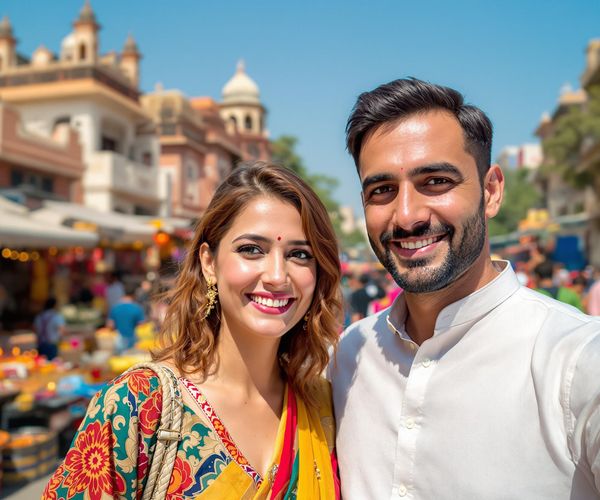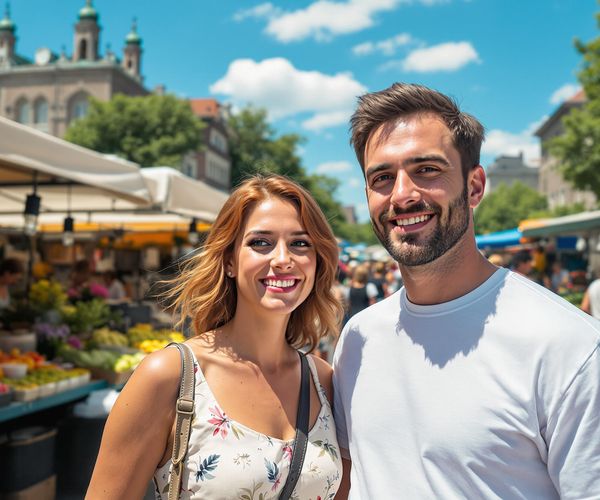
Berlin, November 16, 2025 – The cobblestone streets glisten after a light rain, and the aroma of freshly baked bread wafts from a nearby bakery. I'm sitting at my favorite café in Prenzlauer Berg, reflecting on the beauty of slow travel. It's a philosophy that has transformed my adventures, turning them into rich tapestries of connection and discovery. Join me as I share my experiences and insights on embracing a relaxed pace.
What is Slow Travel?
Slow travel, in its essence, is a mindful approach to exploring the world. It's about savoring each moment, connecting with the local culture, and prioritizing quality over quantity. Forget rushing from one landmark to another; slow travel encourages you to linger, to breathe, and to truly experience the essence of a place.
Contrast this with traditional tourism, where itineraries are jam-packed, and you spend more time checking off boxes than actually absorbing the atmosphere. Fast-paced travel often leaves you feeling exhausted and disconnected, with only superficial memories to show for it.
The core principles of slow travel revolve around connection, relaxation, and cultural immersion. It's about forging genuine relationships with locals, unwinding from the stresses of daily life, and delving deep into the traditions and customs of the places you visit.
The Benefits of Slowing Down
One of the most significant advantages of slow travel is the enhanced cultural immersion it provides. When you spend more time in a single location, you have the opportunity to truly engage with the local community. You can visit local markets, attend cultural events, and even take cooking classes to learn about the regional cuisine.
Beyond cultural immersion, slow travel is a fantastic stress reliever. The slower pace allows you to relax, unwind, and disconnect from the pressures of modern life. Instead of rushing to catch the next train or plane, you can simply enjoy the present moment, whether it's sipping coffee at a café or strolling through a park.
Moreover, slow travel is often more sustainable. By spending more time in fewer places, you reduce your carbon footprint and support local economies. You're more likely to patronize small, family-owned businesses and less likely to contribute to over-tourism, which can harm the environment and disrupt local communities.
Embracing a Slow Travel Mindset
Adopting a slow travel mindset has profoundly enriched my own travel experiences. I remember a trip to Tuscany a few years ago. Instead of trying to see all the major cities in a week, Maximilian and I chose to stay in a small village, renting a cozy apartment from a local family. We spent our days exploring the surrounding countryside, visiting vineyards, and learning about the region's history and culture. We even took an Italian cooking class from a local chef, which was an unforgettable experience.
The key to embracing slow travel is to be present, patient, and open to new experiences. Don't be afraid to deviate from your itinerary or to try something new. Embrace the unexpected and allow yourself to be surprised by the world around you.
Curiosity and respect for different cultures are also essential. Take the time to learn about the local customs and traditions, and be mindful of your impact on the environment and the community. Remember, you're a guest in their home, so treat it with respect.
Planning for a Relaxed Pace
When planning a slow travel itinerary, the first step is to choose fewer destinations and extend your stays. Instead of trying to cram multiple cities into a single trip, focus on one or two regions and spend at least a week in each location. This will give you ample time to explore at a relaxed pace and to truly immerse yourself in the local culture.
Focus on quality over quantity and seek out authentic experiences. Look for opportunities to connect with locals, to learn about their traditions, and to support their businesses. Visit local markets, attend cultural events, and take cooking classes. Avoid tourist traps and seek out hidden gems off the beaten path.
Flexibility is also key. Allow for spontaneity and unexpected discoveries. Don't be afraid to change your plans if something interesting comes up. The best travel experiences often happen when you least expect them.
Connecting with Locals
Interacting with local communities is at the heart of slow travel. It's through these connections that you gain a deeper understanding of the culture and the people who call it home. Seek out opportunities to engage with locals, whether it's through volunteering, attending community events, or simply striking up conversations in cafes or markets.
Visiting local markets is a great way to experience the local culture and to support local businesses. You can sample regional specialties, purchase handmade crafts, and chat with the vendors. Attending cultural events, such as festivals, concerts, and dance performances, is another fantastic way to immerse yourself in the local traditions.
Learning basic language skills can also greatly enhance your interactions with locals. Even knowing a few basic phrases can go a long way in building rapport and showing respect for their culture. I remember when Maximilian and I were in Japan, even just knowing how to say “hello” (Konnichiwa) and “thank you” (Arigato) made such a difference in our interactions with people.
These experiences enrich your journey and provide insights that you simply can't get from a guidebook. Slow travel is not just about seeing the world; it's about connecting with it on a deeper level.
Embrace slow travel for deeper cultural connections and personal enrichment. Discover the joy of a relaxed pace and create lasting memories.