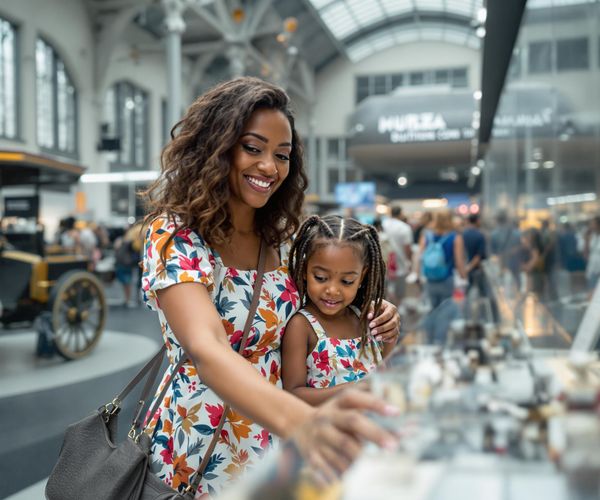
As a child growing up in Kimberley, South Africa, history wasn't just something I read in textbooks; it was alive in the stories my grandmother told me about our ancestors. Now, living in Bamberg, Germany, with my husband Hans and our daughter Liesel, I'm passionate about passing on that love of history. But let's face it, dragging kids to historical sites can sometimes feel like a Herculean task. So, how do we make history engaging, fun, and educational for our little ones? Let's dive into some tips and tricks I've learned along the way.
Setting the Stage: Why History Matters to Kids
Why should kids care about dusty old books and ancient ruins? Well, understanding history helps them connect with the world around them. It's not just about memorizing dates and names; it's about understanding how the past shapes the present and influences the future. For Liesel, learning about the past has sparked a curiosity about different cultures and traditions. When we visited the Bamberg Cathedral, I shared stories of the people who built it centuries ago. It wasn't just a building anymore; it was a testament to human ingenuity and faith.
I remember one particular trip to a local historical society in Kimberley. I was probably around Liesel's age, and initially, I was bored. But then, the curator started telling stories about the diamond rush and the colorful characters who flocked to the region. Suddenly, history wasn't just facts; it was an adventure! That day sparked a lifelong fascination with history, and I want to give Liesel that same opportunity. Understanding history helps kids develop critical thinking skills, empathy, and a sense of identity. It teaches them about different perspectives and the importance of learning from the past.
Planning Your Historical Adventure: Choosing the Right Destination
Not all historical sites are created equal, especially when it comes to captivating young minds. When choosing a destination, think about what will genuinely interest your child. Is it castles and knights? Ancient civilizations? World War II history? Tailor your trip to their interests to maximize engagement.
Look for destinations that offer interactive exhibits and activities. Many museums now have dedicated children's areas with hands-on displays and games. For example, the Deutsches Museum in Munich has a fantastic kids' area where Liesel could conduct science experiments and learn about technology in a fun, interactive way. When we travel in Europe, I always look for family-friendly historical destinations. Germany, of course, is brimming with them. We've explored medieval castles, Roman ruins, and even Cold War bunkers. But beyond Germany, consider places like Rome with its gladiator schools and ancient forums, or even York in England with its Viking history and interactive museums. The key is to find places that bring history to life for kids.
Making History Interactive: Storytelling and Role-Playing
One of the most effective ways to make history come alive is through storytelling. Instead of just reciting facts, weave them into engaging narratives. Tell stories about the people who lived during that time, their struggles, their triumphs, and their daily lives. When we visited Neuschwanstein Castle, I didn't just talk about King Ludwig II's architectural vision; I told Liesel stories about his eccentric personality, his love of fairy tales, and the mysteries surrounding his death. It transformed the castle from a beautiful building into a captivating drama.
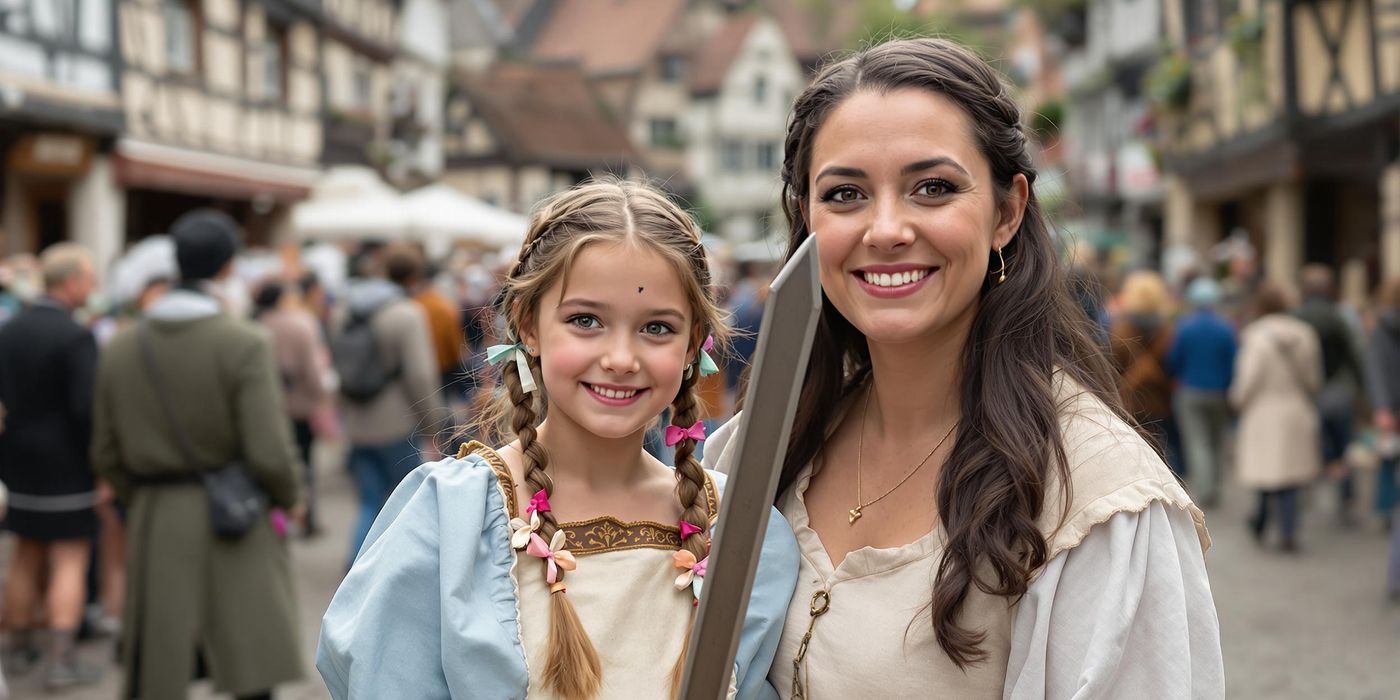
Role-playing is another fantastic way to engage children's imaginations. Encourage them to dress up as historical figures or act out scenes from the past. We often do this at home before visiting a historical site. Before our trip to a Roman fort, Liesel and I made cardboard swords and shields and practiced marching like Roman soldiers. It made the actual visit much more exciting and memorable. During a visit to a medieval festival near Bamberg, Liesel dressed up as a princess, and we spent the day watching knights joust and listening to medieval music. It was a fun and immersive way to experience history.
Engaging All Senses: Activities Beyond the Textbook
History isn't just about what you read; it's about what you experience. Engage all five senses to create a more immersive and memorable learning experience. Try cooking historical recipes together. We've made traditional South African dishes like biltong and melktert, and German specialties like sauerbraten and apfelstrudel. It's a fun way to learn about the food culture of different eras and regions.
Incorporate music, literature, and other art forms into the historical learning experience. Listen to traditional music from the period you're studying, read historical novels or poems, and create art projects inspired by historical events or artifacts. When we learned about the Renaissance, Liesel and I painted our own versions of famous Renaissance paintings. It helped her appreciate the art and culture of that era in a new way. Being of both South African and German heritage, I try to connect activities to both cultures. We’ve made Zulu beaded necklaces while discussing the Anglo-Zulu War, and baked Lebkuchen (German gingerbread) while learning about medieval trade routes.
Leveraging Local Resources: Guides, Museums, and Cultural Events
Don't underestimate the value of local resources like guides and museums. A good local guide can bring history to life with their knowledge and passion. Look for guides who specialize in children's tours or family-friendly activities. Museums can also be a great resource, but it's important to choose museums that are engaging and interactive. Look for museums that offer scavenger hunts, hands-on exhibits, or special kids' tours.
Attending cultural events and festivals is a fantastic way to immerse children in history. Many towns and cities host historical festivals, reenactments, and living history events. These events offer a unique opportunity to experience history firsthand, with costumed performers, demonstrations, and interactive activities. Before visiting a new historical site, I always check to see if there are any kid-friendly programs available. Many museums and historical sites offer scavenger hunts, special kids' tours, or interactive exhibits designed to engage young visitors.
Documenting and Reflecting: Making Memories Last
After your historical adventure, take time to document and reflect on your experiences. This will help your child consolidate their learning and create lasting memories. Creating a scrapbook or travel journal is a great way to document your travels. Encourage your child to write about their favorite experiences, draw pictures of the places they visited, and collect souvenirs like postcards and ticket stubs. We have a whole shelf dedicated to our travel scrapbooks, and Liesel loves to look through them and relive our adventures.
Encourage reflection and discussion about the historical experiences after the trip. Ask your child what they learned, what surprised them, and what they found most interesting. Connect the travel experiences to what they've learned in school. If they're studying ancient Egypt, revisit your photos from your trip to the Egyptian museum and discuss what they learned. By connecting travel experiences to their schoolwork, you can reinforce their learning and make history more relevant and engaging.
Discover how to make historical sites fun and educational for kids. Turn learning into an adventure with storytelling, interactive activities, and local guides.