The open road, a world of possibilities unfolding before you, and the comforting presence of family – that’s the dream, isn’t it? For Hans, Liesel, and me, it's not just a dream; it's our reality. We've traded the traditional classroom for a life of exploration, embracing the joys and challenges of homeschooling while traveling. It's a journey that has enriched our lives in countless ways, and I'm excited to share our experiences with you.
The Allure of Homeschooling on the Road
Why did we choose this unconventional path? For me, it's about instilling a love for learning that goes beyond textbooks. It’s about cultural exchange, delving into history where it happened, and maximizing precious family time. Imagine Liesel tracing the steps of Roman soldiers along the ancient roads of Germany, or learning about the intricacies of marine ecosystems while snorkeling in the Mediterranean. These aren't just lessons; they're immersive experiences that ignite her curiosity and deepen her understanding of the world.
Travel provides unique educational opportunities. We visit historical sites, experiencing different cultures firsthand, and learning about diverse ecosystems. Roadschooling provides flexibility and freedom in tailoring education to Liesel's interests and learning style. If she develops a sudden fascination with Renaissance art after a visit to Florence, we can dive deep into the subject, exploring its history, techniques, and cultural context. This personalized approach allows her to learn at her own pace and pursue her passions with enthusiasm.
Curriculum Choices for the Traveling Family
Choosing the right curriculum can feel overwhelming. Online programs offer structured learning, while workbooks provide a tangible approach. Unit studies allow for in-depth exploration of specific themes, and unschooling emphasizes learning through real-life experiences. We've found a blend that works for Liesel, incorporating elements of each approach.
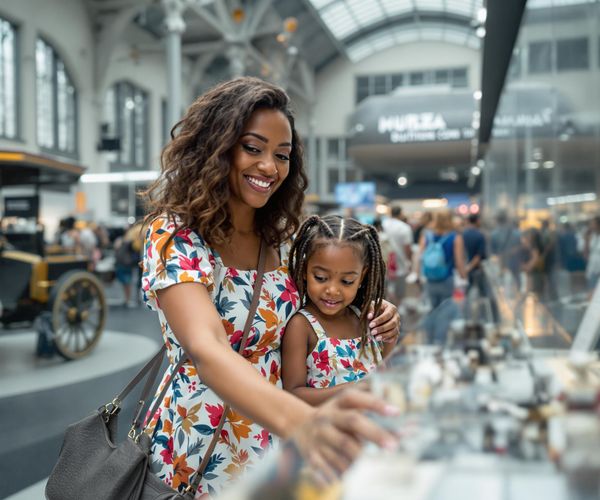
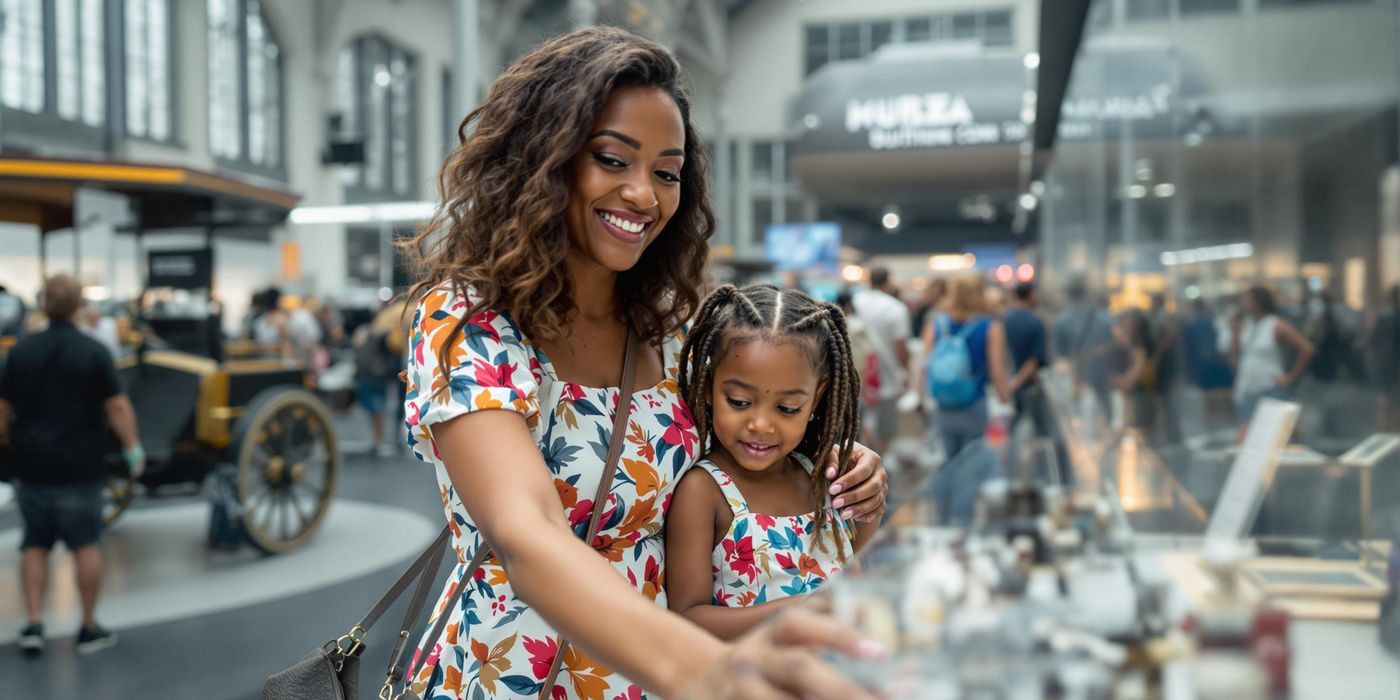
For Liesel, who is ten, a literature-based curriculum has been wonderful. We read books set in the places we visit, bringing history and culture to life. Virtual schools and web classes offer structured learning in subjects like math and science, while museum visits provide hands-on experiences that complement her studies. For example, before visiting the Deutsches Museum in Munich, we read about the history of German engineering and innovation. Then, at the museum, she could see the real artifacts and inventions we had learned about, making the experience much more meaningful.
Incorporating local resources and experiences into the curriculum is essential. Visiting museums, attending cultural events, and exploring natural environments are invaluable learning opportunities. We always try to connect with local experts and artisans who can share their knowledge and skills with Liesel. Whether it's learning about traditional German woodcarving from a local craftsman or taking a cooking class to learn how to make South African dishes, these experiences provide a deeper understanding of the local culture.
Practical Tips for Balancing Education and Exploration
Balancing education and exploration requires careful planning and flexibility. Creating a daily or weekly schedule that accommodates both learning and travel is crucial. We consider Liesel's capacity to focus and our family's travel goals when designing our schedule. Some days, we dedicate several hours to focused learning, while others are more relaxed, with learning woven into our travel experiences.
Carschooling is an essential part of our routine. Audiobooks transport us to different worlds, educational podcasts spark interesting discussions, and travel-themed games make the miles fly by. We've listened to countless audiobooks about European history and culture, turning long drives into engaging learning experiences. We also use educational apps and websites to reinforce concepts learned in our textbooks. For example, Liesel enjoys using language learning apps to practice her German, which she can then use in our daily interactions with locals.
Turning sightseeing into educational field trips is a skill we've honed over time. Visiting historical sites, exploring national parks, and attending local festivals are all opportunities for learning. Before visiting a new place, we research its history, culture, and natural environment. We then create a scavenger hunt or a list of questions for Liesel to answer during our visit. This encourages her to actively engage with her surroundings and to seek out information.
Navigating the Legal Landscape of Roadschooling
Understanding the legal aspects of homeschooling is essential, especially when traveling across different regions. Establishing a 'domicile' state for homeschooling purposes and complying with its laws is crucial. We maintain our domicile in Germany, where homeschooling is strictly regulated, but as long as Liesel is enrolled in a recognized online school, we are compliant.
Traveling to different states requires awareness of varying homeschooling regulations. Some regions have more stringent requirements than others, so it's essential to research the laws of each place you plan to visit. The Home School Legal Defense Association (HSLDA) is a valuable resource for finding information on homeschooling laws. They offer guidance and support to homeschooling families, helping them navigate the legal landscape.
Embracing the Challenges and Rewards of Roadschooling
Homeschooling on the road isn't without its challenges. Limited space, distractions, and the need for constant adaptation can be difficult. We've learned to embrace minimalism, packing only the essentials and finding creative storage solutions for our learning materials. We also create designated learning spaces in our RV, such as a small desk area where Liesel can focus on her studies. Minimizing distractions is also key, so we try to find quiet places to work, such as libraries or coffee shops.
There was the time our RV broke down in the middle of nowhere, and we had to spend several days in a small town waiting for repairs. Instead of panicking, we turned it into a learning opportunity, exploring the local history and culture and even taking a cooking class from a local chef. These experiences have taught us to be adaptable and resilient, qualities that will serve us well in all aspects of life.
Despite the challenges, the rewards of roadschooling are immeasurable. Strengthened family bonds, increased independence and adaptability in children, and a lifelong love of learning are just a few of the benefits. We've seen Liesel blossom into a confident, curious, and compassionate young woman. She's not just learning about the world; she's experiencing it firsthand, developing a deep appreciation for different cultures and ways of life. And as a family, we've created memories that will last a lifetime.
Join Jessica Theron-Schmidt and her family as they navigate the world of homeschooling on the road, balancing education with exploration. Discover practical tips, curriculum choices, and the joys of learning through travel.