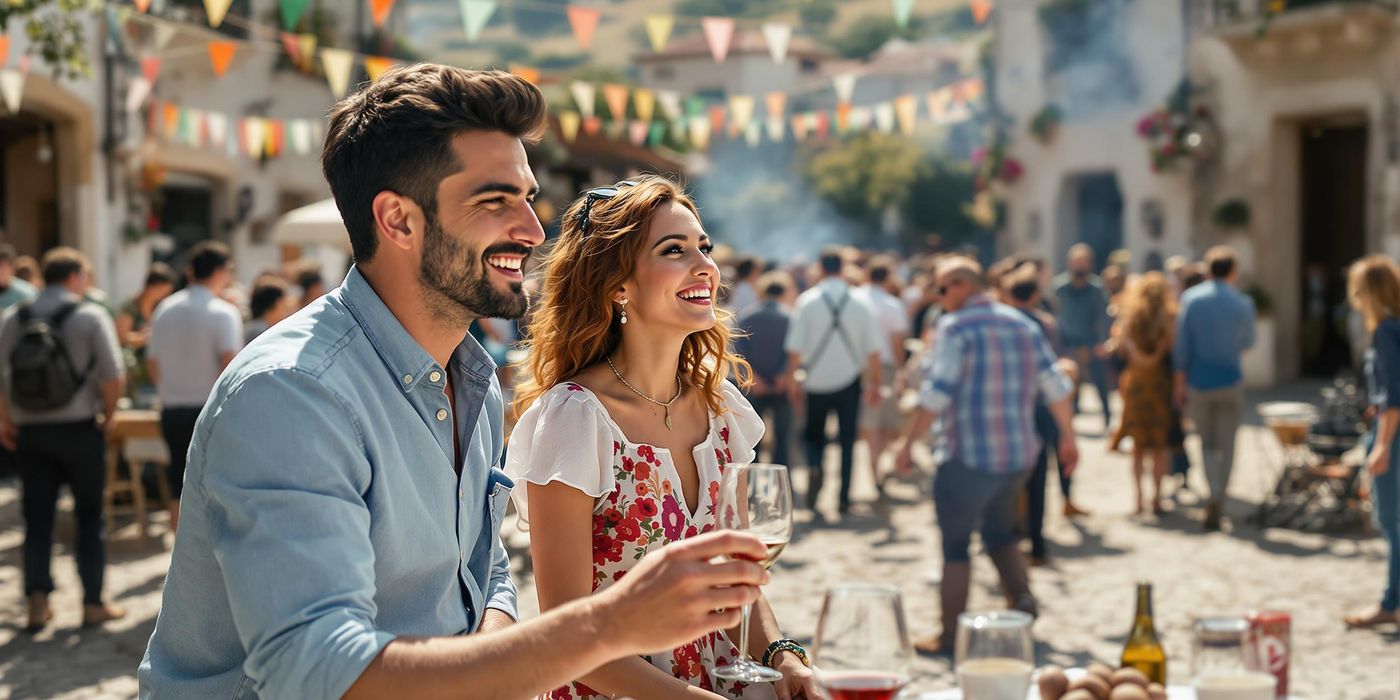
There's something truly magical about cultural festivals. They're not just events; they're vibrant, living expressions of a community's soul. Olivia and I have always been drawn to these celebrations, seeking to understand the world not just as observers, but as participants in its rich tapestry of traditions.
The Allure of Cultural Festivals
Cultural festivals offer a unique window into a destination's heart. Forget the generic tourist traps; these festivals are where you'll find the authentic pulse of a place. They're an immersive dive into a community's values, history, and artistic expression. You're not just seeing a performance; you're witnessing a tradition passed down through generations.
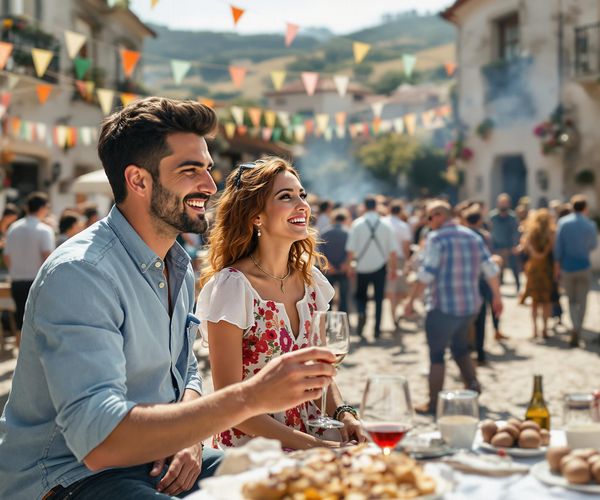
I remember once, in a small village in Portugal, we stumbled upon a local harvest festival. The air was thick with the scent of woodsmoke and roasting chestnuts. The sounds of traditional folk music filled the square as villagers danced in colorful costumes. Olivia, ever the artist, was captivated by the vibrant colors and intricate patterns. We joined in the dancing, stumbled through the steps, and laughed with the locals. It wasn't just a festival; it was a connection, a shared experience that transcended language and culture. The sensory overload – the colors, the music, the food – it all combines to create an unforgettable memory.
Finding Authentic Festivals: Beyond the Tourist Trail
The key to an enriching cultural festival experience is finding the authentic ones, those that haven't been overly commercialized. Start by researching local tourism boards and community calendars. These are goldmines for uncovering hidden gems. Don't be afraid to venture beyond the major cities and look for smaller, less-touristed festivals in rural areas. These often offer a more genuine and intimate experience.
Word-of-mouth recommendations from locals are invaluable. Chat with people at cafes, markets, or even your hotel. Ask them about festivals they enjoy attending. They'll often point you towards events you won't find in any guidebook. How do you identify an authentic festival? Look for promotional materials primarily in the local language. Observe whether the active participation comes from locals instead of the events catering primarily to tourists.
Engaging Respectfully: A Guest in Their Home
When attending a cultural festival, remember that you're a guest in someone else's home. It's crucial to engage respectfully and be mindful of local customs and traditions. Before you go, do your homework. Learn about the festival's significance, the appropriate attire, and any specific etiquette guidelines.
For example, in some cultures, it's considered disrespectful to wear revealing clothing to religious events. In others, it's customary to remove your shoes before entering a temple or sacred space. Asking questions is always a good idea, but be mindful of cultural sensitivities. Avoid asking intrusive or insensitive questions about religious beliefs or personal matters. Respect personal space, especially in crowded areas. Be aware of how close you stand to others and avoid physical contact unless it's initiated by them. And when it comes to photography, always ask for permission before photographing individuals, especially in sacred spaces. A simple gesture of respect can go a long way.
Culinary Adventures: Tasting the Culture
Food and drink are integral parts of any cultural festival. They offer a delicious way to experience the local culture and traditions. Don't be afraid to try traditional dishes and beverages associated with the festival or region. Ask locals for recommendations on the best hidden culinary gems. They'll often point you towards family-run stalls or hole-in-the-wall restaurants serving authentic cuisine.
In Mexico, during Día de los Muertos (Day of the Dead), the aroma of pan de muerto (bread of the dead) fills the air, and families share elaborate meals at the gravesites of their loved ones. In Thailand, during Songkran (Thai New Year), street vendors sell refreshing mango sticky rice and iced tea to help revelers cool off during the water fights. Remember to be mindful of food safety and hygiene, especially when eating street food. Look for stalls that appear clean and well-maintained, and avoid eating anything that looks or smells suspicious.
Capturing Memories: More Than Just a Snapshot
Of course, you'll want to capture memories of your cultural festival experience through photography. But remember to do so respectfully. Be mindful of the people around you and avoid disrupting the event with your camera. Instead of just snapping photos, try to document your experiences in a more meaningful way. Keep a journal or blog to record your insights and perspectives. Write about the people you meet, the traditions you witness, and the emotions you feel.
Olivia and I often create travelogues after our trips, filled with photos, sketches, and handwritten notes. These travelogues are not just souvenirs; they're treasured keepsakes that allow us to relive our experiences and share them with others. Consider using a small, portable printer to instantly create physical copies of your favorite photos while you're still immersed in the experience. This allows you to share these memories directly with the locals you meet, fostering deeper connections and leaving a lasting impression.
Discover how immersing yourself in cultural festivals offers unique insights into a destination's traditions and community spirit, enhancing your travel experiences.