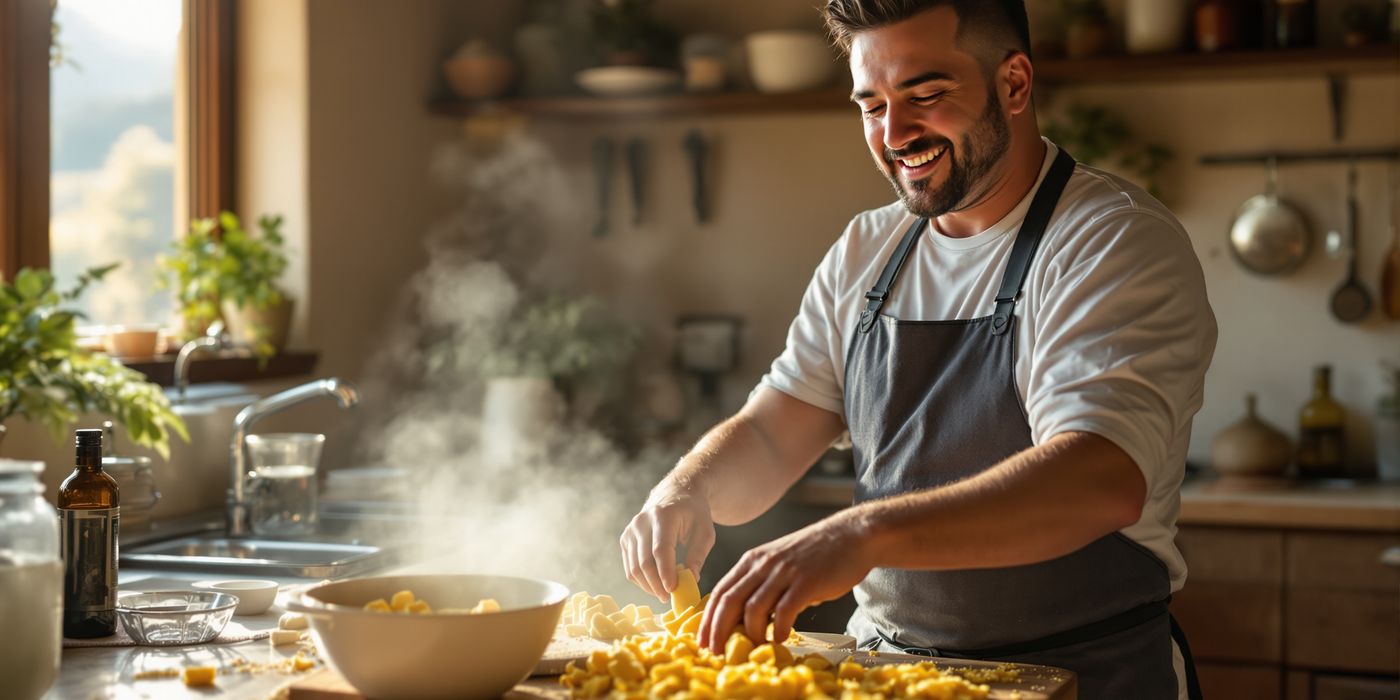
Olá, fellow travelers! João here, ready to whisk you away on a flavorful journey. As someone who grew up savoring the rich culinary heritage of Portugal and now explores the diverse food scene of Toronto, I've come to realize that the best way to truly understand a culture is through its cuisine. Today, I want to share my thoughts on how cooking classes and food tours can transform your travels into unforgettable cultural experiences.
The Allure of Culinary Travel
Culinary tourism is more than just eating delicious food; it's about immersing yourself in the heart of a destination. It's about understanding the stories behind the dishes, the traditions that have shaped them, and the people who create them. I've always been fascinated by how food connects us to different cultures. Whether it's learning to make pasta in Italy or sampling street food in Thailand, every bite tells a story. Cooking classes and food tours provide an intimate window into a culture, offering experiences that go far beyond typical tourist traps.
Immersive Cultural Experiences
Food is a powerful reflection of a region's history, values, and social practices. Think about it: the spices used in Indian curries tell tales of ancient trade routes, while the techniques for making traditional Portuguese pastries have been passed down through generations. Participating in culinary activities allows you to engage with these stories in a tangible way. You're not just reading about history; you're tasting it, smelling it, and creating it with your own hands. It’s a sensory experience that deepens your understanding and appreciation of a culture.
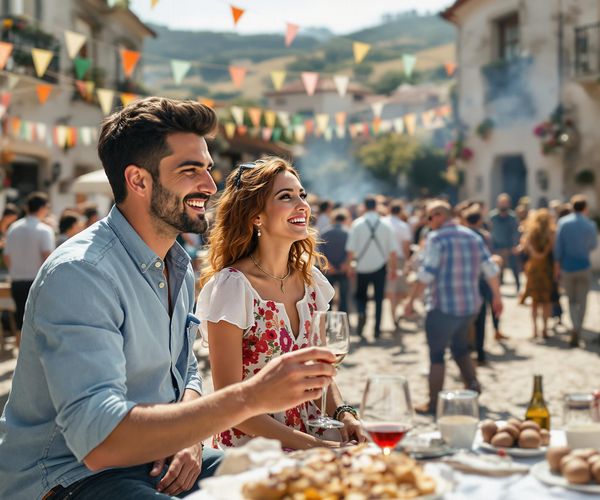
During my travels, I've found that sharing a meal with locals is one of the best ways to foster cross-cultural connections. Food breaks down barriers and creates a common ground, allowing you to connect with people on a more personal level. Whether it's laughing over a shared plate of tapas in Spain or exchanging recipes with a family in Vietnam, these moments of culinary connection are often the most memorable parts of my trips.
Cooking Classes: More Than Just Recipes
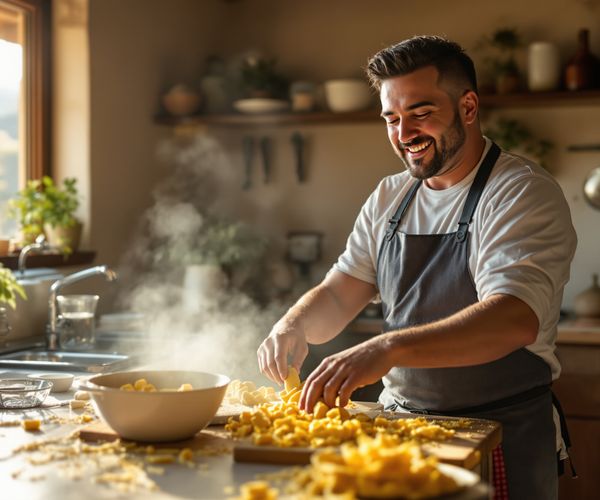
Taking a cooking class while traveling is about more than just learning new recipes; it's about gaining insight into local ingredients and cooking methods. You'll discover how to select the freshest produce at a local market, how to use traditional cooking tools, and how to combine flavors in a way that reflects the region's culinary identity. These classes offer hands-on experience that you simply can't get from reading a cookbook.
I remember taking a cooking class in Tuscany where I learned to make homemade pasta from scratch. It was a messy, flour-covered affair, but I walked away with a newfound appreciation for the art of Italian cooking. More importantly, I learned about the importance of using simple, high-quality ingredients and the value of taking the time to savor each step of the process. It's these kinds of experiences that transform a simple cooking class into a cultural immersion.
Food Tours: A Guided Gastronomic Adventure
Food tours offer a fantastic way to sample a variety of authentic dishes and explore local markets. A knowledgeable guide can lead you to hidden culinary gems, introduce you to local specialties, and provide insights into the history and culture behind the food. It's like having a personal culinary concierge who can curate a gastronomic adventure tailored to your tastes.
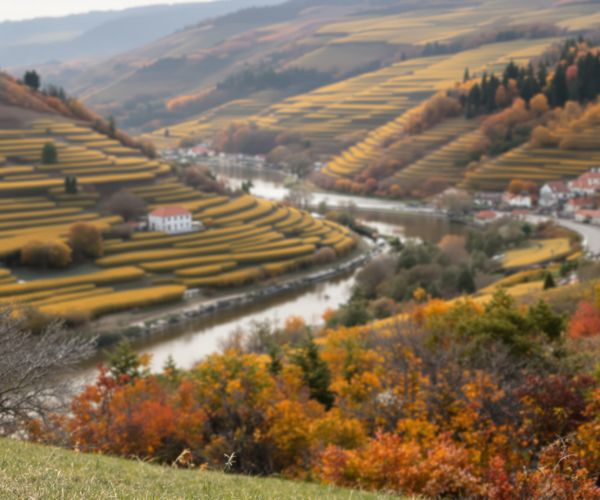
When choosing a food tour, consider your personal interests and dietary preferences. Are you a fan of street food or do you prefer fine dining experiences? Are you interested in learning about the history of a particular dish or simply want to sample as many local specialties as possible? Do some research and read reviews to find a tour that aligns with your culinary goals. {image1}
Finding Authentic Culinary Experiences
The key to a great culinary experience is finding reputable cooking classes and food tours. Look for classes and tours that are led by local chefs or experienced guides who are passionate about sharing their culinary heritage. Read reviews and seek recommendations from fellow travelers to get an idea of the quality and authenticity of the experience.
Websites like Evendo are great resources for finding local experiences. Don't be afraid to venture off the beaten path and explore smaller, family-run businesses. These hidden gems often offer the most authentic and memorable culinary experiences. {image2}
The Economic and Sustainable Impact
Culinary tourism plays a significant role in supporting local economies. By participating in cooking classes and food tours, you're directly contributing to the livelihoods of local farmers, chefs, and artisans. You're creating demand for local foods, beverages, and produce, which helps to sustain small-scale industries and preserve culinary traditions.
Moreover, culinary tourism promotes sustainability by encouraging the use of seasonal foods, traditional cooking methods, and sustainable agricultural practices. When you choose to eat locally sourced ingredients and support businesses that prioritize sustainability, you're helping to protect the environment and preserve the culinary heritage of a region. It's a win-win situation for both travelers and local communities.
Explore the world through cooking classes and food tours, offering a delicious way to immerse in local cultures.