Finding Authentic Local Food Spots
Before Olivia and I even book our flights, I'm already deep-diving into the local cuisine. Forget those generic travel guides; I want to know what the locals are actually eating! My first stop is always online, but not those tourist-trap review sites. I'm talking about local food blogs and forums. These are goldmines for uncovering hidden gems that haven't been overrun by tourists.
Google Maps is your friend, too. Search for local markets, street food vendors, and small, family-run restaurants. Look for places with lots of local reviews and photos – that’s usually a good sign. But the real secret weapon? Asking the locals themselves! Don't be shy – chat with your hotel staff, shopkeepers, or even your taxi driver. They're usually more than happy to share their favorite spots. During our trip to Lisbon, a friendly barista led us to the best pastel de nata I've ever tasted – a true local experience!
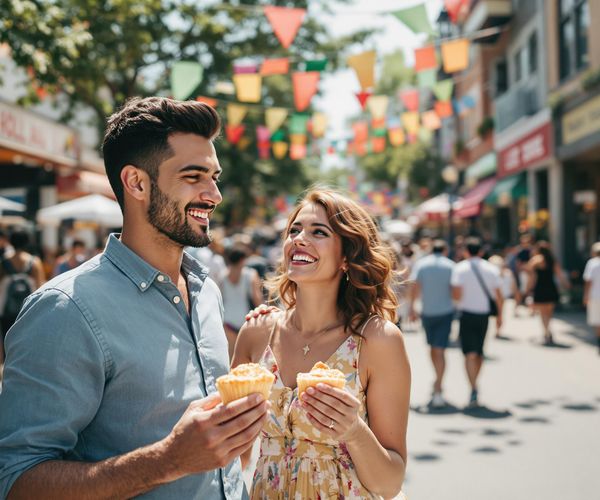
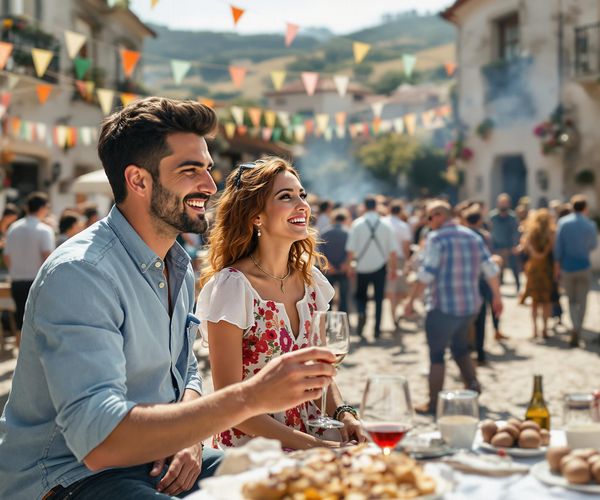
And of course, explore those local markets and street food scenes. These are sensory overload in the best way possible! From the vibrant colors of fresh produce to the tantalizing aromas of sizzling meats and spices, these places offer a true taste of the local culture. Social media can also be surprisingly helpful. Search for local food hashtags and location tags to see what people are eating right now. You might just discover your next favorite dish! If you're feeling overwhelmed, consider a food tour guided by locals. They know all the best spots and can provide valuable insights into the history and culture behind the food.
Understanding Food Etiquette
Food is more than just sustenance; it's a social and cultural experience. Before you travel, take some time to research the local dining etiquette. What might be perfectly acceptable in one culture could be considered rude in another. For example, in some cultures, like India and Ethiopia, it's customary to eat with your right hand. Using your left hand is considered unclean.
In China, it's often considered polite to leave a small amount of food on your plate to show that you're full and satisfied. However, in India, finishing everything on your plate is a sign of appreciation. Even something as simple as offering or not offering salt and pepper can have cultural significance. In Egypt, offering salt and pepper is sometimes seen as an insult to the chef.
Respect for elders is also important in many cultures. In South Korea, for example, the eldest person at the table is served first, and younger diners should wait for them to begin eating. Chopsticks, a staple in many Asian cuisines, also come with their own set of rules. In Japan, for instance, you should never stick your chopsticks upright in a bowl of rice, as this resembles a funeral ritual. And of course, always be mindful of allergies and strong smells when eating in confined spaces, like airplanes. A little consideration can go a long way in making the dining experience enjoyable for everyone.
Trying Home-Cooked Meals
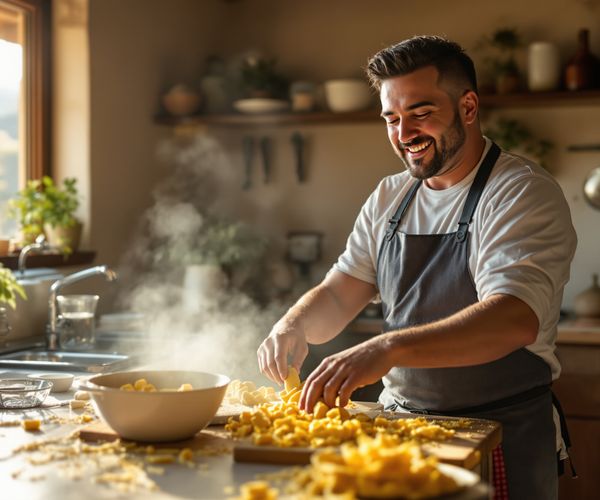
For the ultimate culinary adventure, seek out opportunities to eat at a local's house. This is where you'll truly experience the heart and soul of a culture. Look for cooking classes focused on local cuisine. These classes not only teach you how to prepare traditional dishes but also provide valuable insights into the local culture and ingredients. Websites like EatWith connect travelers with local hosts who offer home-cooked meals and culinary experiences. AirBnB experiences also offer some interesting local culinary classes.
Even if you don't have the opportunity to eat at someone's home, you can still prepare simple meals while traveling. This is a great way to save money and experience local ingredients firsthand. Shopping at local markets for fresh produce is an adventure in itself! Pack some essential spices and cooking supplies to make your meals more flavorful. I always bring a small container of Portuguese piri-piri sauce – it adds a kick to just about anything!
Consider easy-to-make meals like poke bowls, pasta, tacos, or one-pot skillets. These can be prepared with minimal equipment and are a great way to showcase local ingredients. Get creative and experiment with different flavors and textures! Even with limited appliances, you can still create delicious and satisfying meals. A portable electric kettle, for example, can be used to boil water for pasta, noodles, or even a simple cup of tea. With a little planning and creativity, you can enjoy home-cooked meals no matter where you are in the world.
Explore local cuisine authentically and safely during your travels. Tips on finding food spots, understanding etiquette, and trying home-cooked meals.