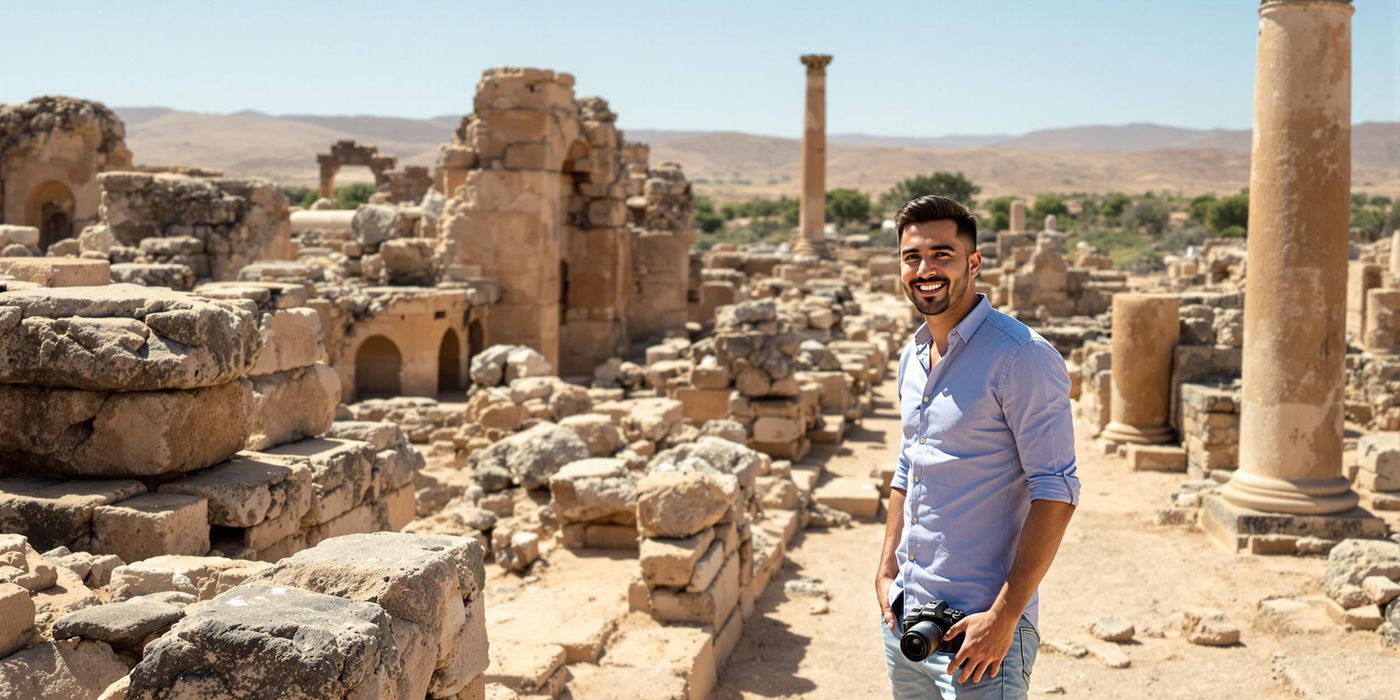
Olá, fellow history enthusiasts! João here, ready to share my passion for uncovering the hidden stories woven into the fabric of our world. Growing up in Évora, Portugal, a city practically breathing history, instilled in me a lifelong curiosity for the past. Now, living in vibrant Toronto, I'm always itching for my next adventure, a chance to delve deeper into the narratives that shape our present. Join me as I share my tips and tricks for making the most of your historical travels, going beyond the typical tourist traps to find the truly captivating tales.
Choosing Your Destination: More Than Just the Main Attractions
When planning a historical trip, it's easy to get caught up in the allure of famous landmarks. But true historical immersion goes beyond ticking off the 'must-see' sights. Think about what eras or events truly fascinate you. Are you captivated by Roman history? Perhaps the battlefields of World War II call to you? Or maybe the mysteries of ancient civilizations spark your interest?
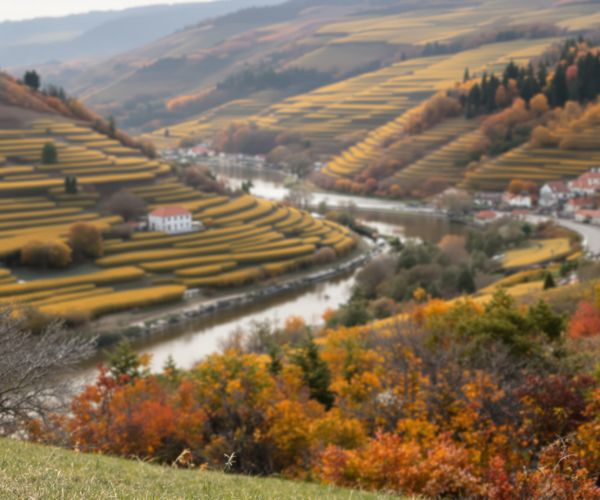
Once you've identified your historical passion, consider venturing off the beaten path. While Rome and Athens are undoubtedly historical powerhouses, smaller towns and lesser-known sites often hold equally compelling stories, waiting to be discovered. For instance, instead of just visiting the Colosseum, explore the ancient Roman city of Volubilis in Morocco. Or, skip the crowded beaches of Normandy and delve into the lesser-known D-Day landing sites in the south of France. {image1}
The key is research. Historical societies, online archives, and academic resources are your best friends. Dig deep to uncover unique and compelling stories that will make your trip truly unforgettable. Don't be afraid to explore niche topics – the history of spice trading in the Moluccas Islands, the story of the Silk Road through Central Asia, or the legacy of the Vikings in Iceland. The possibilities are endless!
Pre-Trip Prep: Laying the Groundwork for Discovery
Before you even pack your bags, invest time in pre-trip research. Reading books, watching documentaries, and exploring online resources will provide a crucial foundation for your historical adventure. Imagine arriving at a site already familiar with its key events, figures, and significance – the experience will be far richer and more meaningful.
Create a 'historical itinerary' that goes beyond the typical tourist trail. Include museums, archives, and local historical societies in your plans. Reach out to these institutions in advance to inquire about special tours, lectures, or access to primary source materials. Learning a few key phrases in the local language can also significantly enhance your interactions with historians and locals, opening doors to deeper conversations and unique insights.
Consider using online resources like JSTOR or university archives to find academic articles about the region you will be visiting. This will provide you with a deeper understanding of the history and allow you to ask more informed questions when you arrive.
On-Site Exploration: Digging Deeper Than the Surface
Once you arrive at your destination, resist the urge to rush through the sites. Allocate ample time for each location to allow for deeper engagement with the history. Wander through ancient ruins, explore museum exhibits, and soak in the atmosphere. Hire local guides or historians who can provide insider knowledge and unique perspectives on the destination's past. {image2}
Don't overlook local museums, historical societies, and archives. These often hold hidden gems – primary source materials, artifacts, and lesser-known stories that aren't featured in mainstream guidebooks. Be sure to check out local restaurants and try traditional cuisines to connect with the culinary history of the region. Food is an integral part of culture, and tasting authentic dishes can offer a unique window into the past.
Consider taking a themed walking tour. Many cities offer specialized tours focusing on specific historical periods or events, providing a curated and informative experience.
Engaging with Locals: Unearthing Personal Narratives
One of the most rewarding aspects of historical travel is the opportunity to connect with local residents and hear their personal stories. Attend local cultural events, festivals, and historical reenactments to immerse yourself in the community's heritage. Approach locals respectfully and ask thoughtful questions to elicit meaningful conversations about their history and traditions.
Seek out local historians, academics, and researchers who can offer unique insights into the destination's past. Many universities and historical societies host lectures and workshops that are open to the public. Don't be afraid to strike up conversations with people you meet – you never know what fascinating stories they might have to share. Learn about the oral history of the region, as this can provide a perspective that is not found in books.
When interacting with locals, be mindful of cultural differences and sensitivities. Show genuine interest in their stories and be respectful of their perspectives. Remember that history is often complex and nuanced, and there may be different interpretations of the past.
Documenting Your Discoveries: Preserving the Past for the Future
As you embark on your historical journey, remember to document your observations, reflections, and discoveries. Keep a travel journal to record your thoughts, feelings, and insights. Take photographs and videos to capture the essence of the historical sites, artifacts, and personal interactions. {image3}
Share your travel experiences through blog posts, social media, or presentations to inspire others to explore history. Use platforms like Instagram and Facebook to connect with other travel and history enthusiasts, exchange ideas, and share your passion for the past. Consider creating a website or online portfolio to showcase your historical travel photography and writing.
By documenting and sharing your discoveries, you can contribute to the preservation of history for future generations. You can also help to promote historical tourism, which can benefit local communities and economies. So, grab your journal, camera, and passport, and get ready to uncover the stories of the past!
A guide for history enthusiasts on how to explore destinations with a rich historical background, offering tips to uncover stories beyond main attractions.