Hey everyone, Joseph Alexander here! As an ESL teacher living in vibrant Berlin, I've learned a thing or two about making the most of every experience without breaking the bank. Travel is my passion, and capturing those memories through photography is essential. But let's be real, not all of us can afford fancy equipment. So, I'm excited to share my tips for capturing incredible travel moments, even on a tight budget.
Embracing the Smartphone Camera
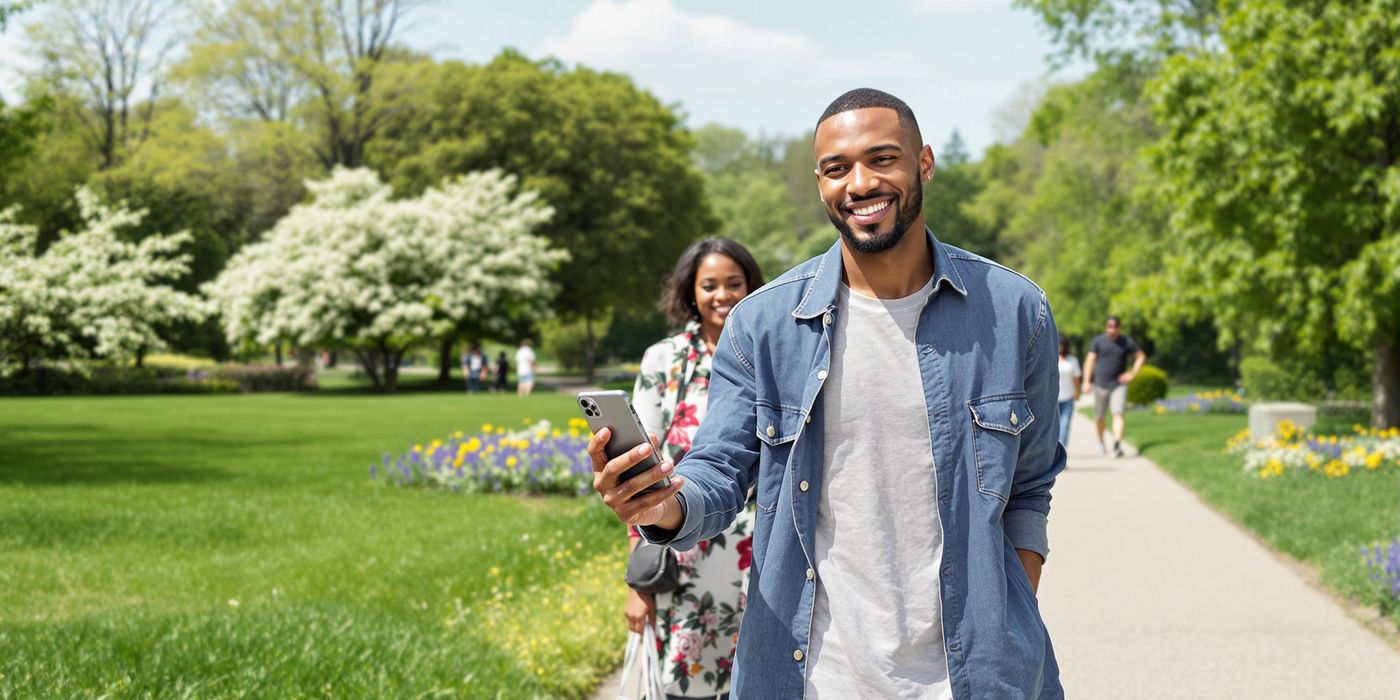
Seriously, don't underestimate the power in your pocket! Modern smartphones boast impressive camera capabilities. I've taken some of my favorite travel photos with just my phone. The key is knowing how to use it.
- Experiment with settings like HDR (High Dynamic Range) to balance exposure in tricky lighting situations. It's a game-changer for landscapes!
- Panorama mode is fantastic for capturing wide vistas. Think sweeping mountain ranges or bustling cityscapes.
- Portrait mode isn't just for people! Use it to create a shallow depth of field, making your subject pop against a blurred background. Perfect for highlighting a local market vendor or a unique architectural detail.
And for a few extra euros, you can snag some affordable smartphone accessories. A mini tripod is a lifesaver for steady shots and time-lapses. Clip-on lens attachments can add wide-angle or macro capabilities without the hefty price tag of a dedicated camera lens.
Essential Budget-Friendly Gear
Looking to step up your game beyond your smartphone? You don't need to spend a fortune. There are plenty of affordable camera options out there.
- Consider a used DSLR or mirrorless camera. You can often find great deals on older models that still pack a punch in terms of image quality.
- For lenses, think versatile! A standard zoom lens (like an 18-55mm or 24-70mm equivalent) is perfect for a variety of travel scenarios, from landscapes to portraits. Look for used options to save even more.
- Don't forget the essentials! Extra batteries are a must, especially if you're out exploring all day. Invest in a couple of high-capacity SD cards to store all your photos. And a reliable camera bag will protect your gear from the elements.
Pro tip: Check out online marketplaces and camera stores for deals and discounts. You might be surprised at what you can find!
Mastering Composition Techniques
Great photography isn't just about having fancy equipment; it's about understanding composition. These techniques are free and can dramatically improve your photos, no matter what camera you're using.
- The Rule of Thirds: Imagine your frame divided into nine equal parts by two horizontal and two vertical lines. Place your key subject along these lines or at their intersections to create a more balanced and visually appealing image.
- Leading Lines: Use lines (roads, rivers, fences) to draw the viewer's eye into the photo and towards your subject.
- Symmetry and Framing: Look for symmetrical scenes or use natural elements like trees or archways to frame your subject and add depth.
Don't be afraid to experiment with different angles and perspectives. Crouch down low, climb up high, and see how the scene changes. You might discover a unique shot that no one else has captured!
Utilizing Natural Light
Light is everything in photography! Understanding how to work with natural light can make or break your photos.
- Golden Hour and Blue Hour: These are the periods shortly after sunrise and before sunset (golden hour) and just before sunrise and after sunset (blue hour). The light is soft, warm (golden hour), and cool (blue hour), creating stunning effects. Plan your shoots around these times for the best results.
- Shooting in Different Conditions: Overcast days can provide soft, even lighting, perfect for portraits. Harsh sunlight can create strong shadows and highlights, adding drama to your photos. Use a diffuser (even a white t-shirt can work!) to soften the light.
- Shadows and Highlights: Pay attention to how shadows and highlights interact in your scene. They can add depth, dimension, and mood to your photos.
Post-Processing on a Shoestring
You don't need expensive software to edit your photos. There are plenty of free or low-cost options available for both smartphones and computers.
- Free Editing Apps: Snapseed and Lightroom Mobile are excellent free apps for both iOS and Android. They offer a wide range of editing tools, from basic adjustments to more advanced features.
- Basic Editing Tips: Start by adjusting the exposure, contrast, and color balance. Crop your photos to improve composition. And don't be afraid to experiment with different filters and presets.
- Backing Up Photos: Cloud storage services like Google Photos and Dropbox offer free storage options for your photos. Make sure to back up your photos regularly to avoid losing them!
Remember, editing is a personal preference. Don't overdo it! The goal is to enhance your photos, not to completely transform them.
Budget travel photography tips from Joseph Alexander. Learn how to capture unforgettable travel moments without breaking the bank, using your smartphone and affordable gear.