From the sun-kissed shores of Saint Lucia to the vibrant streets of Berlin, my life has been a melody composed of travel and steelpan music. It's more than just a hobby; it's a way of connecting with the world, a universal language that transcends borders and cultural divides. Join me as I share my journey of discovering steelpan in unexpected places and offer tips for finding your own musical connections wherever you go.
The Soulful Sound of Steelpan: A Caribbean Heritage
The steelpan, often called the steel drum, is more than just an instrument; it's a symbol of Caribbean ingenuity and resilience. Born in Trinidad and Tobago in the 1930s, the steelpan emerged from a need to create music when traditional drums were banned by colonial authorities.
Faced with this prohibition, the resourceful people of Trinidad and Tobago began experimenting with discarded oil drums, hammering and shaping them to produce different notes. This act of defiance and creativity led to the creation of the steelpan, a unique instrument with a bright, resonant sound. Over time, the steelpan evolved from simple percussive instruments to the chromatic instruments we know today, capable of playing complex melodies and harmonies.
The steelpan quickly became a symbol of Caribbean identity, representing the spirit and creativity of the region. It is now recognized as the national instrument of Trinidad and Tobago and is celebrated throughout the Caribbean and beyond.
My Steelpan Journey: From Micoud to the World
Growing up in Micoud, Saint Lucia, the sound of steelpan was ever-present. It filled the air during festivals, celebrations, and even casual gatherings. One particular memory stands out: I was about ten years old, attending a village fair, when I first saw a steelpan orchestra perform.
The vibrant rhythms, the infectious energy, and the sheer joy on the faces of the musicians captivated me. It was more than just music; it was a celebration of life, community, and heritage. That day, I knew I had to learn to play the steelpan.
Learning to play the steelpan connected me to my cultural roots in a profound way. It gave me a sense of belonging, a connection to the traditions and history of my ancestors. It also sparked a curiosity to explore different cultures and musical traditions. The steelpan became my passport to the world, influencing my decision to travel and seek out new experiences.
Beyond the Beach: Discovering Steelpan in Unexpected Places
While the steelpan is synonymous with the Caribbean, its music has spread far beyond the region, finding its way into various corners of the globe. One of the most surprising and heartwarming experiences I've had was discovering steelpan music in Berlin, Germany.
Living in Berlin, I often feel a sense of displacement, a longing for the familiar sights and sounds of home. One evening, while exploring a local park, I stumbled upon a group of musicians playing steelpan music. The sound was like a balm to my soul, instantly transporting me back to the Caribbean. It was a reminder that no matter where I am in the world, a piece of my culture will always be with me.
The global spread of steelpan music is a testament to its universal appeal. It has been adapted and incorporated into various musical genres, from jazz and classical to pop and electronic music. This fusion of cultures and styles demonstrates the power of music to transcend borders and unite people from different backgrounds.
Tips for the Traveling Music Lover: Connecting Through Sound
For those who share my passion for music and travel, I offer a few practical tips on how to find local music scenes while exploring new destinations:
- Consult local listings and event calendars: Many cities have websites or publications that list local concerts, festivals, and music events.
- Use social media: Social media platforms can be a great way to discover local musicians and venues. Look for local music groups or hashtags related to music in the area.
- Ask locals for recommendations: Don't be afraid to strike up a conversation with locals and ask for their recommendations on where to find good music. They often have insider knowledge of hidden gems and up-and-coming artists.
- Attend open mic nights: Open mic nights are a great way to discover local talent and experience the local music scene firsthand.
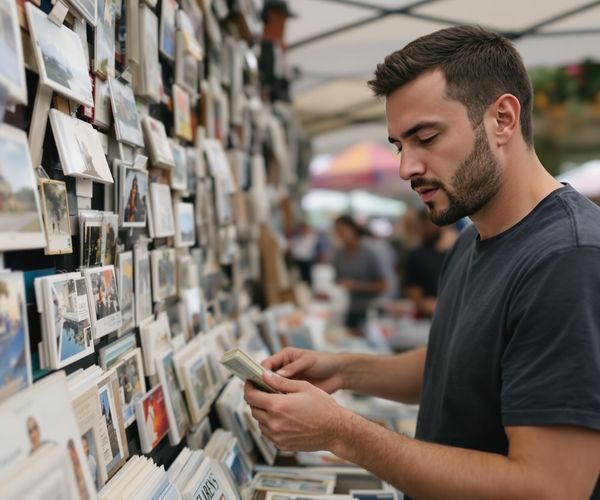
- Visit record stores: Record stores are not just places to buy music; they're also hubs for music lovers. Chat with the staff, browse the local artist section, and ask for recommendations.
- Explore smaller venues: Don't just focus on the big concert halls; explore smaller venues like bars, cafes, and clubs. These venues often host local musicians and offer a more intimate and authentic musical experience.
The Universal Language: How Music Bridges Cultural Gaps
Music is a universal language that transcends language barriers and connects people on an emotional level. It has the power to evoke memories, inspire emotions, and create a sense of shared experience. Throughout my travels, I've found that music is a powerful tool for building bridges and fostering understanding between people from different backgrounds.
In Berlin, for example, I've used steelpan music to connect with refugees and immigrants from various countries. By sharing my music and teaching them about Caribbean culture, I've been able to create a sense of community and belonging. Music has helped them to feel more at home in a new and unfamiliar environment.
When engaging with local musical traditions, it's important to do so with respect and authenticity. Take the time to learn about the history and cultural significance of the music. Attend local concerts and festivals, and support local musicians. By engaging with music in a meaningful way, you can create lasting connections and enrich your travel experiences.
Creating Your Own Musical Souvenirs: Learning and Sharing
One of the best ways to preserve your travel memories is to create your own musical souvenirs. Consider taking music lessons or workshops while traveling. Learning to play a traditional song or instrument can be a fun and rewarding way to connect with the local culture.
You can also share your musical experiences through blogging, social media, or hosting travel-themed music nights. Share your photos, videos, and stories with others, and inspire them to explore the world through music.
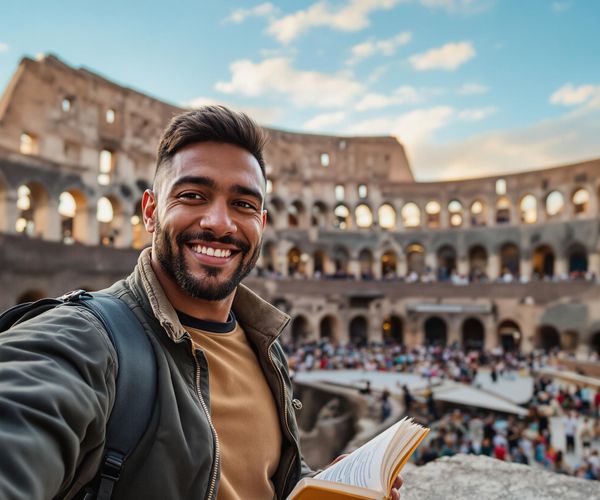
Music is a powerful force that can enrich our lives and connect us to the world in profound ways. By embracing the musical traditions of different cultures, we can broaden our perspectives, deepen our understanding, and create lasting memories. So, pack your bags, open your ears, and get ready to discover the world through the soulful sound of music.
Joseph Alexander shares how his love for steelpan music enriches his travel experiences and offers tips for finding musical connections in every destination.