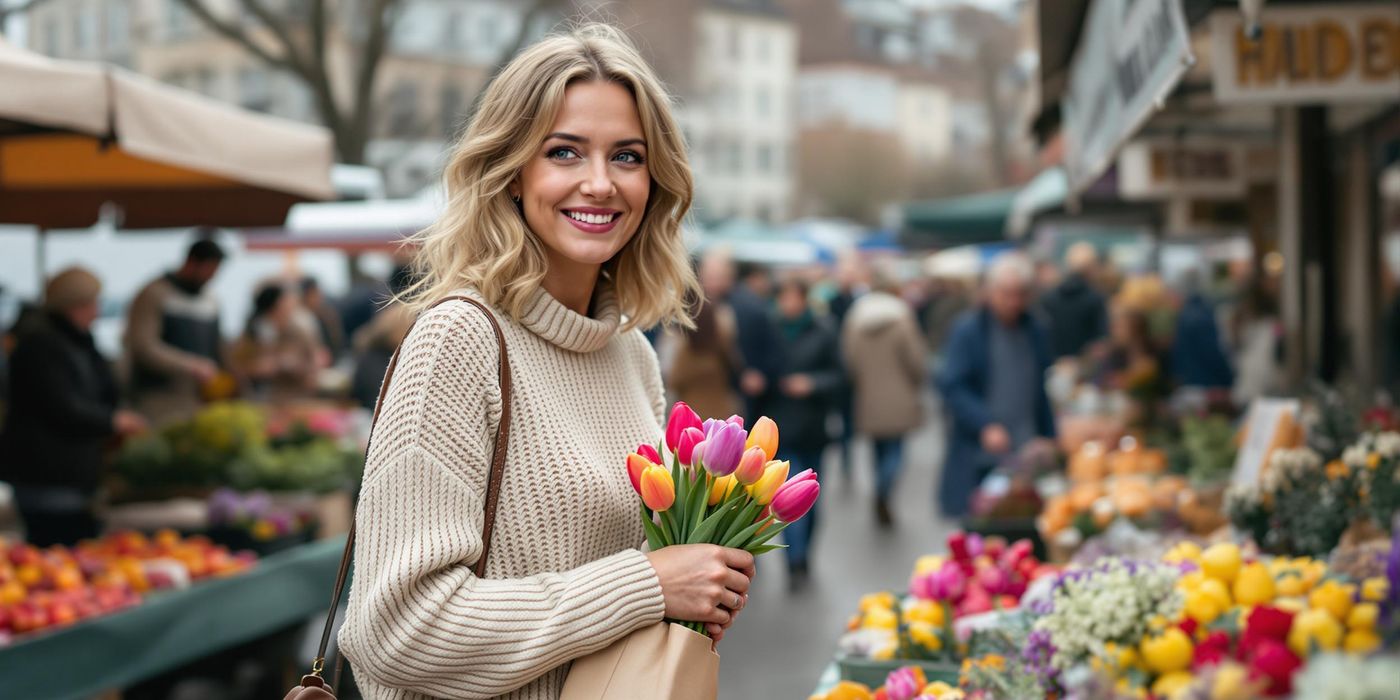
Hello fellow travelers! Karen here, ready to share some insights into one of my greatest passions: travel photography. It's more than just taking pictures; it's about capturing moments, preserving memories, and telling stories through the lens.
Embarking on Your Photography Journey: Seeing the World Through a New Lens
There's something truly magical about seeing the world through a viewfinder. It encourages you to slow down, to observe, and to truly appreciate the beauty around you. My own journey into travel photography began years ago, almost by accident. Hans and I were on a trip to the Faroe Islands, and I wanted to document the stunning landscapes and unique culture. I quickly realized that photography wasn't just about pointing and shooting; it was about telling a story. Since then, I've been hooked! The most important thing to remember is that you don't need the most expensive gear to get started. A keen eye and a fresh perspective are far more valuable.
Whether you're wandering through bustling city streets or exploring serene natural landscapes, photography allows you to connect with your surroundings on a deeper level. It's a way to preserve your travel memories and share your experiences with others. It's also a fantastic way to learn about different cultures and gain a greater appreciation for the world around us.
Essential Gear for Budding Travel Photographers
Okay, let's talk gear. It can be tempting to dive headfirst into the world of professional cameras and lenses, but trust me, you don't need to break the bank to get started. Here’s a rundown of what I consider essential:
- Camera: While a high-end DSLR or mirrorless camera offers incredible versatility, even your smartphone can be a powerful tool. If you're looking to upgrade, consider a mirrorless camera or a DSLR with interchangeable lenses.
- Lenses: A versatile zoom lens, like a 24-70mm, is a great starting point. It allows you to capture a wide range of subjects, from landscapes to portraits. A wide-angle lens is also useful for capturing expansive scenes.
- Extra Batteries and Memory Cards: Trust me on this one. There's nothing worse than running out of battery or memory in the middle of an amazing photo opportunity. Always pack spares!
- Lightweight Travel Tripod: Especially useful for low-light photography or including yourself in photos.
- Camera Bag: A good camera bag is essential for protecting your gear from the elements. I learned this the hard way while cycling along the Neckar River during a sudden downpour! A sturdy, weather-resistant bag will keep your equipment safe and dry. It's also handy for carrying extra batteries, memory cards, and other accessories while attending local farmers markets in Heidelberg.
Optional accessories include a polarizing filter (to reduce glare and enhance colors) and a remote shutter release (to avoid camera shake when using a tripod).
Mastering Composition: Framing Your Travel Stories
Composition is key to creating visually appealing and engaging photos. Here are a few techniques to keep in mind:
- Rule of Thirds: Imagine dividing your frame into nine equal parts with two horizontal and two vertical lines. Place key elements of your scene along these lines or at the points where they intersect. This creates a more balanced and visually interesting image.
- Leading Lines: Use lines to draw the viewer's eye into the scene. Roads, rivers, fences, and even shadows can serve as leading lines. I love using the winding roads of Denmark or the paths in Heidelberg's forests as leading lines in my photos.
- Symmetry and Patterns: Look for symmetry in architecture or nature. Use patterns to create visually interesting shots.
- Framing: Use elements within the scene to frame your subject. This can add depth and context to your photo.
- Point of View: Experiment with different angles. Shooting from a high or low angle can add a unique perspective to your photos.
Understanding Light: The Key to Stunning Travel Photos
Light is everything in photography. It can make or break a photo. Here are a few things to keep in mind:
- Golden Hour: The hour after sunrise and the hour before sunset are known as the golden hours. During these times, the light is warm, soft, and flattering.
- Blue Hour: The period just after sunset is known as the blue hour. This is a great time to capture magical, ethereal landscape or cityscape photos.
- Overcast Days: Don't despair if the sun isn't shining. Overcast days provide diffused light, which is ideal for portraits and architectural details. The colors and details will pop!
- Dealing with Harsh Sunlight: If you're shooting in harsh sunlight, look for shadows, use reflections, or wait for softer light.
Capturing Authentic Moments: People and Culture
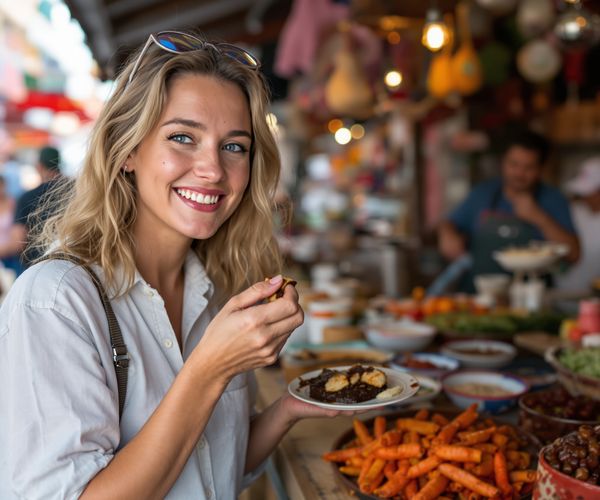
For me, the heart of travel photography lies in capturing authentic moments and connecting with the local culture. However, it's crucial to do so with respect and sensitivity.
- Respect Local Customs and Traditions: Always be mindful of local customs and traditions when photographing people and sacred places. It's important to be respectful and avoid causing offense.
- How to Approach People Respectfully: Smile, ask permission before taking someone's picture, and show them the photo afterward. Learning a few phrases in the local language can go a long way. My empathetic nature helps me connect with people and understand their perspectives.
- Ethical Considerations: Avoid stereotypes, represent cultures with authenticity, and never pay people (especially children) to take their picture.
- Tell a Story with Your Photos: Capture details, emotions, and interactions to convey the essence of a place.
- Being Culturally Aware and Sensitive: This is something Hans and I always prioritize when we travel. We try to learn about the local culture and customs before we arrive, and we always make an effort to be respectful of the people we meet.
So there you have it – a few tips to get you started on your travel photography journey. Remember, the most important thing is to have fun and capture the moments that matter to you. Happy travels, and happy shooting!
Beginner-friendly tips for improving travel photography skills, focusing on composition, lighting, and capturing local culture. Tie photography tips to cultural appreciation and storytelling through images.