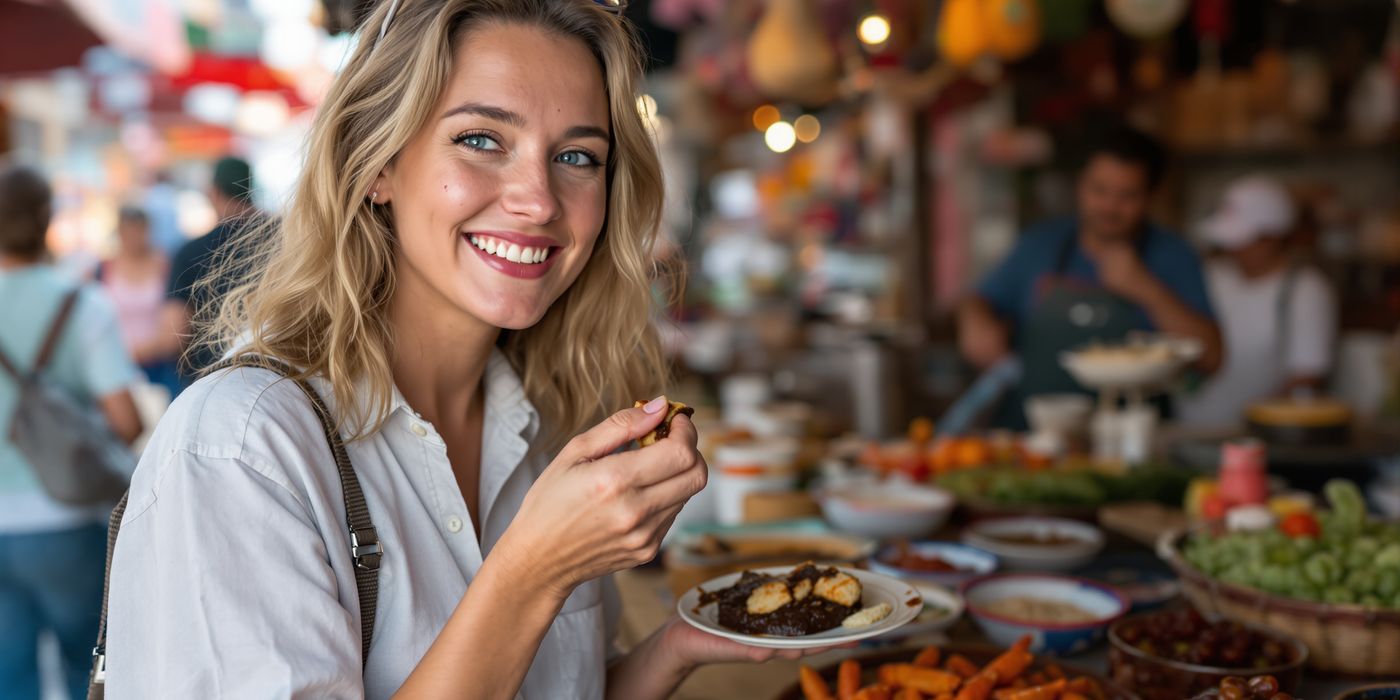
Hey fellow travelers! Karen here, ready to whisk you away on another adventure – this time, a culinary one! Forget the typical tourist traps; we're diving fork-first into the heart of local cuisine. I've always believed that food is more than just fuel; it's a passport to understanding a culture, its history, and its people. So, grab your appetite and let's explore the world, one delicious bite at a time.
A Culinary Passport: Food as a Cultural Key
Think about it: what's the first thing you do when you arrive in a new place? Many of us head straight for a restaurant! Food is so much more than just sustenance; it's a window into the soul of a community. It reflects their history, their values, and their traditions. Take, for instance, my trip to Oaxaca, Mexico. I had the chance to try mole negro, a rich, complex sauce made with dozens of ingredients, including chocolate and chili peppers. The process of making it is a labor of love, often passed down through generations. Each family has their own secret recipe, and tasting it felt like I was being welcomed into their home, sharing a piece of their heritage.
Finding Authentic Flavors: Beyond the Tourist Traps
Okay, so you're convinced that local food is the way to go, but how do you find the real deal? First, step away from the tourist hotspots! Those places are usually overpriced and serve watered-down versions of local dishes. Instead, venture into the side streets and look for eateries that are bustling with locals. Don't be afraid to ask for recommendations; the people who live there know the best hidden gems. During my time in Italy, I discovered the most amazing trattoria tucked away in a residential neighborhood in Rome, all thanks to a tip from our Airbnb host.
Another great tip is to visit local markets. Not only will you find fresh, seasonal ingredients, but you'll also get a glimpse into the daily lives of the people who live there. Plus, many markets have food stalls where you can sample local delicacies. It's a feast for the senses!
Decoding the Menu: What to Order and Why
So, you've found a promising-looking restaurant, but the menu is in a language you don't understand. Don't panic! This is where a little research comes in handy. Before you go, look up some local specialties and their key ingredients. Knowing a few basic phrases in the local language can also be a huge help. And don't be afraid to ask the waitstaff for recommendations; they're usually happy to guide you. When I was in Japan, I was initially overwhelmed by the sheer variety of sushi options. But with the help of our server, I discovered some incredible regional specialties that I never would have tried otherwise.
Be adventurous! Trying new things is part of the fun. You might discover your new favorite dish. I remember being hesitant to try haggis in Scotland (sheep's pluck, anyone?), but I ended up loving it! It's all about keeping an open mind and a willingness to step outside your comfort zone.
Respecting the Ritual: Food Customs and Etiquette
Food is deeply intertwined with culture, and it's important to be mindful of local customs and etiquette. What's considered polite in one country might be offensive in another. For example, in some Asian countries, it's customary to use chopsticks to eat, and sticking them upright in a bowl of rice is considered bad luck. In India, it's traditional to eat with your right hand, as the left hand is considered unclean. And in some Middle Eastern countries, it's customary to drink coffee or tea before discussing business. I once made the mistake of refusing a cup of tea in Morocco, not realizing it was a sign of disrespect. Luckily, my host was understanding and explained the custom to me.
When in doubt, observe what the locals are doing and follow their lead. And if you're unsure about something, don't be afraid to ask. People are usually happy to share their culture with you.
The Rise of Culinary Tourism: Benefits and Challenges
Culinary tourism is booming, and for good reason! It's a fantastic way to experience a new culture and support local communities. Food tourism can provide economic benefits, such as supporting local farmers, producers, and restaurants. It also helps preserve culinary heritage, as traditional dishes and cooking methods are passed down through generations. However, the rise of culinary tourism also presents some challenges. One concern is the commercialization of culture, where traditional dishes are altered or mass-produced to cater to tourists. This can lead to a loss of authenticity and a decline in the quality of the food. Another challenge is the impact on local food prices, as increased demand from tourists can drive up the cost of ingredients, making it harder for locals to afford them.
Sustainable Eating: Making Conscious Choices
As a passionate advocate for sustainable living, I believe it's important to consider the environmental and social impact of our food choices while traveling. One way to do this is to support local farmers and producers by buying directly from them at farmers markets or farm stands. This helps reduce food miles and supports the local economy. Another way to eat sustainably is to reduce food waste by ordering only what you can eat and taking leftovers with you. When choosing restaurants, look for establishments that prioritize sustainability, such as those that source their ingredients locally, compost food waste, and use eco-friendly packaging. I always try to bring my own reusable shopping bags and containers when I travel, to minimize my environmental footprint.
So, there you have it – my guide to tasting your way through a new culture. Remember, food is more than just sustenance; it's a story, a connection, and an adventure waiting to be savored. Happy travels, and bon appétit!
Explore local cuisine as an essential part of cultural immersion. Discover authentic dining experiences and respect food customs.