Hello, fellow travelers! Karen here, ready to whisk you away on a journey that's less about rushing through checklists and more about savoring every single moment. As someone who grew up in the serene landscapes of Denmark and now calls the charming city of Heidelberg home, I've come to appreciate the beauty of slowing down and truly experiencing a place. Forget those whirlwind tours; let's dive into the world of slow travel and discover how it can transform your adventures into something truly meaningful.
The Essence of Slow Travel
What exactly is slow travel? It's a mindset, a philosophy, a conscious choice to trade the frenetic pace of conventional tourism for a more deliberate and immersive approach. Instead of frantically ticking off destinations on a map, slow travel invites you to linger, to connect, and to truly understand the places you visit. It's about quality over quantity, depth over breadth. It's about embracing unplanned moments and letting the journey unfold organically.
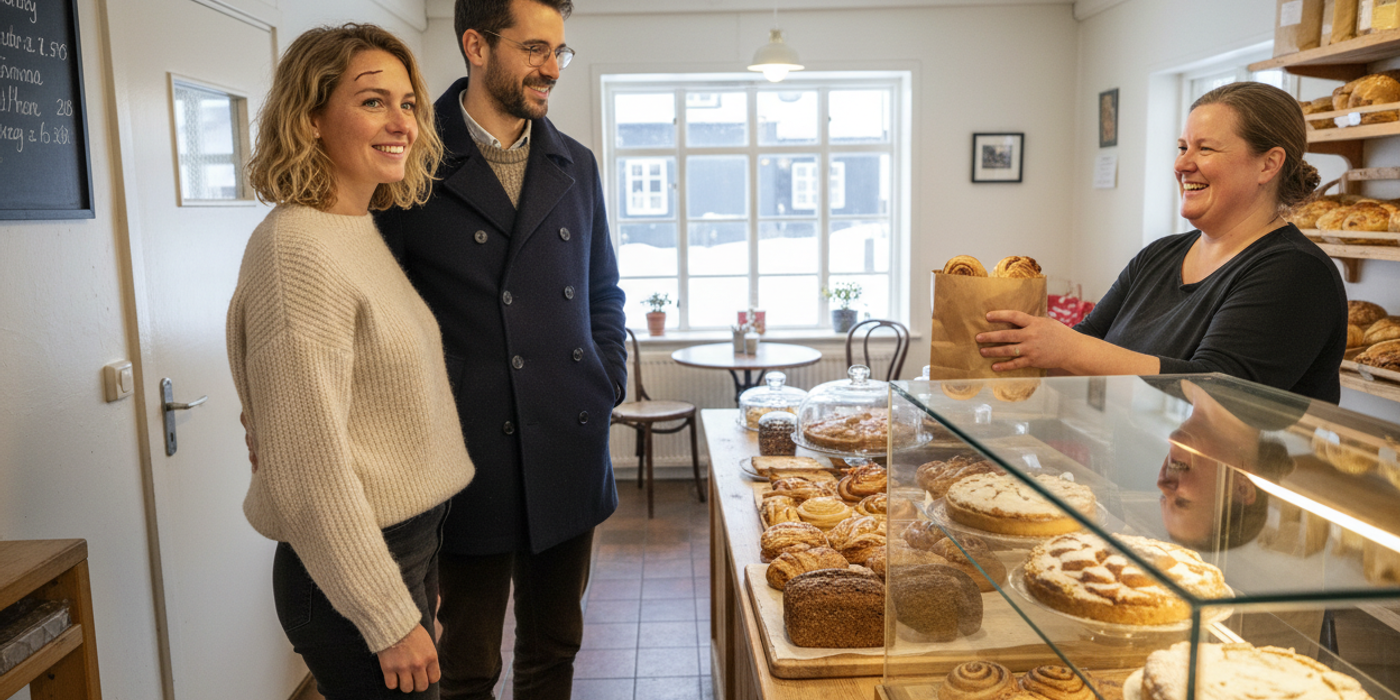
I remember a trip Hans and I took to the Faroe Islands a few years ago. We had a meticulously planned itinerary, but the weather had other ideas! Storms rolled in, ferries were canceled, and we found ourselves stranded in a tiny village for three extra days. Instead of getting frustrated, we decided to embrace it. We befriended the local baker, learned a few Faroese phrases, and spent hours hiking through the dramatic landscapes when the weather cleared. Those unexpected days became the highlight of our trip, a testament to the magic of embracing the unplanned.
Why Choose Slow Travel?
The benefits of slow travel are numerous and profound. On a cultural level, it allows you to connect deeply with local communities, to understand their traditions, and to build genuine relationships. You're not just a tourist passing through; you're a guest, an observer, a participant in their way of life.
Environmentally, slow travel is a much more sustainable option. By opting for slower modes of transportation, such as trains, buses, or even bicycles, you significantly reduce your carbon footprint. You also have the opportunity to support local businesses and initiatives that prioritize sustainability. During a recent trip to the Black Forest, we chose to stay in a small, family-run guesthouse powered by solar energy. It was a conscious choice that allowed us to minimize our environmental impact and support a local family committed to sustainable tourism.
I’ll never forget the time we were in a small village in Italy. We spent weeks there and became friends with the family that ran the local trattoria. They invited us to their family dinners, taught us how to make pasta from scratch, and shared stories about their lives. These are the kinds of experiences that stay with you long after you've returned home, the moments that truly enrich your life.
Selecting Your Destination for a Slow Travel Experience
Choosing the right destination is crucial for a successful slow travel experience. Look for places that offer opportunities for cultural immersion, where you can easily connect with locals and participate in their daily lives. Consider destinations known for their slow pace of life and sustainable practices.
Scandinavia, with its emphasis on friluftsliv (outdoor living) and sustainable practices, is an excellent choice. But slow travel isn't limited to well-known destinations. Consider exploring lesser-known regions in Europe, such as the Alentejo region of Portugal, the Lake District in England, or the Carpathian Mountains in Romania. These areas offer stunning natural beauty, rich cultural traditions, and a slower pace of life.
One of my favorite slow travel experiences was in the Lofoten Islands in Norway. We spent two weeks exploring the islands by bicycle, staying in small fishing villages, and hiking through breathtaking landscapes. The pace of life was incredibly relaxed, and we had ample opportunities to connect with the local fishermen and learn about their way of life.
Accommodation and Transportation: Embracing Sustainability
When it comes to accommodation, opt for eco-friendly choices whenever possible. Look for eco-lodges, family-run guesthouses, or apartments in residential areas. These options not only reduce your environmental impact but also provide a more authentic and immersive experience.
Transportation is another key aspect of sustainable travel. Whenever possible, choose public transport, cycling, or walking. Not only are these options more environmentally friendly, but they also allow you to experience the destination in a more intimate and engaging way. Ditch the rental car and hop on a local bus, rent a bicycle, or simply explore on foot. You'll be amazed at what you discover.
During a trip to Amsterdam, we decided to rent bikes for the entire duration of our stay. It was the perfect way to explore the city, and we discovered hidden canals, charming cafes, and local markets that we would have missed if we had been driving a car. Plus, it was a great workout!
Immersing Yourself in Local Culture
One of the greatest joys of slow travel is the opportunity to immerse yourself in the local culture. Participate in local activities, festivals, and workshops. Learn a few basic phrases in the local language. Strike up conversations with locals. Ask them about their lives, their traditions, and their favorite places to visit. You'll be surprised at how welcoming people are and how much you can learn.
When we were in Seville, Spain, we took a flamenco dancing class. It was a fun and challenging experience, and it gave us a deeper appreciation for the art form and the local culture. We also attended a local cooking class and learned how to make paella. It was a delicious and educational experience that allowed us to connect with the local cuisine and the people who create it.
Savoring Local Cuisine: A Culinary Journey
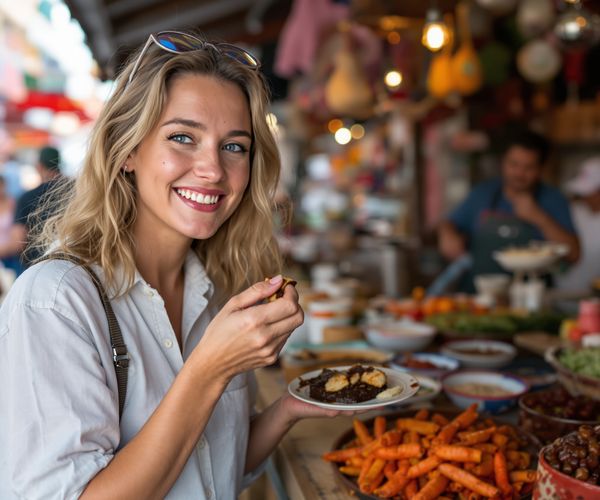
Food is an integral part of any culture, and slow travel provides the perfect opportunity to explore local cuisine in depth. Try local dishes, visit farmers' markets, and learn about traditional cooking methods and ingredients. Don't be afraid to try new things and step outside of your culinary comfort zone.
One of my most memorable culinary experiences was in Tuscany, Italy. We spent a week on a family-run farm, learning how to make cheese, olive oil, and wine. We ate fresh, locally sourced meals every day, and we learned so much about the region's culinary traditions. It was a truly immersive and unforgettable experience.
Incorporating 'Hygge' into Your Slow Travels
As a Dane, I can't talk about slow travel without mentioning hygge. This Danish concept is all about creating cozy, comfortable, and convivial moments in your life. It's about savoring the simple pleasures, spending time with loved ones, and creating a sense of warmth and contentment.
When you're traveling slowly, you have ample opportunities to incorporate hygge into your experience. Enjoy a quiet evening with local wine, read a book in a serene setting, or simply relax and watch the world go by. Light some candles, put on some cozy music, and create a space where you can relax and recharge. Hygge is about being present in the moment and appreciating the simple things in life.
Sustainable Practices Beyond Accommodation
Sustainability extends beyond your choice of accommodation and transportation. Reduce waste by bringing reusable water bottles and shopping bags. Support local artisans and businesses to boost the local economy. Be mindful of your consumption and make conscious choices that minimize your impact on the environment.
During a trip to Southeast Asia, we made a conscious effort to avoid single-use plastics. We brought our own water bottles, bamboo straws, and reusable shopping bags. We also supported local businesses that were committed to sustainable practices. It was a small effort, but it made a big difference.
The Mental and Emotional Benefits of Slow Travel
Slow travel isn't just good for the environment and the local communities; it's also good for your mental and emotional well-being. By slowing down and taking the time to truly experience a place, you reduce stress and promote relaxation. You have the opportunity for self-reflection and mindfulness, and you can foster a greater appreciation for life's simple pleasures.
I find that slow travel allows me to disconnect from the pressures of daily life and reconnect with myself. It gives me the space to think, to reflect, and to appreciate the beauty of the world around me. It's a form of therapy, a way to recharge my batteries and return home feeling refreshed and rejuvenated.
Embracing the Unexpected
Finally, remember to leave room for spontaneity and embrace unplanned adventures. Some of the best travel experiences are the ones you never saw coming. Be open to detours, chance encounters, and unexpected opportunities. Surrender to the unknown and allow your travel to unfold naturally.
One of my favorite travel memories is when we got lost in the medina of Marrakech, Morocco. We wandered through the labyrinthine streets for hours, stumbling upon hidden courtyards, vibrant marketplaces, and friendly locals. It was a chaotic and overwhelming experience, but it was also incredibly rewarding. We discovered a side of Marrakech that we never would have seen if we had stuck to our planned itinerary.
So, there you have it – my guide to mastering the art of slow travel. I hope this has inspired you to ditch the checklist, embrace the unexpected, and embark on a journey that's as meaningful as it is memorable. Happy travels!
Discover the benefits and practices of slow travel, focusing on deeper connections and sustainable experiences.