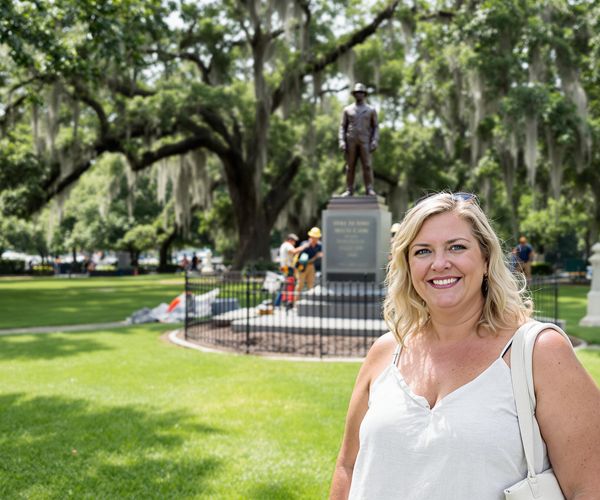
Hej! Karen here, ready to share some insights from my travels and life abroad. As a Dane living in Germany, I've definitely had my share of language learning curves. But don't let language barriers hold you back from exploring the world! Communication is key to unlocking incredible travel experiences, and I'm excited to share some tips and tricks I've picked up along the way.
Embracing the Challenge: Why Communication Matters
When you travel, communication goes beyond just ordering a meal or finding your way. It's about connecting with people, understanding different cultures, and creating meaningful experiences. A simple conversation can turn into a lasting memory, and even a small attempt to speak the local language shows respect and willingness to engage.
I remember when Hans and I first visited a small village in the Black Forest. We tried our best to speak German, even though it was far from perfect. The locals were so appreciative of the effort, and we ended up sharing stories and laughter over homemade Black Forest cake. These are the moments that truly enrich your travels.
Essential Phrases: Your Linguistic Toolkit
Before you jet off to a new destination, learning a few essential phrases can make a world of difference. Start with the basics:
- Hello/Goodbye
- Thank you
- Please
- Excuse me
These simple phrases can open doors and show that you're making an effort to connect with the local culture. Also, consider learning phrases for:
- Ordering food: Ich möchte bitte... (I would like...)
- Asking for directions: Entschuldigung, wo ist...? (Excuse me, where is...?)
- Emergency situations: Hilfe! (Help!)
Don't worry too much about perfect pronunciation. There are plenty of online resources and apps that can help you with that. The most important thing is to try!
Tech to the Rescue: Translation Apps and Tools
In today's digital age, we have access to incredible translation tools right at our fingertips. Here are a few popular apps that I recommend:
- Google Translate: A versatile app with voice translation, image translation, and offline support.
- iTranslate: Known for its user-friendly interface and accurate translations.
- Microsoft Translator: Offers real-time conversation translation and works well in group settings.
- Papago: Especially useful for Asian languages, providing more accurate translations than some other apps.
- DeepL: Renowned for its high-quality translations and contextual understanding.
When using these apps, remember to speak clearly and slowly. Also, be aware that translations may not always be perfect, so it's a good idea to double-check with a local if possible.
Beyond Words: Non-Verbal Communication
Communication isn't just about words. Body language, gestures, and facial expressions play a huge role in how we connect with others. However, it's important to be aware that non-verbal cues can vary greatly from culture to culture.
For example, in some cultures, direct eye contact is seen as a sign of respect, while in others, it can be considered rude. Similarly, hand gestures can have different meanings depending on the country you're in. Researching these cultural differences beforehand can help you avoid misunderstandings and show that you're respectful of local customs.
Embracing Imperfection: Making Mistakes and Learning
One of the biggest hurdles to learning a new language is the fear of making mistakes. But trust me, mistakes are part of the process! Don't be afraid to stumble over words or use the wrong grammar. Most people will appreciate your effort and be happy to help you learn.
When I first moved to Germany, my German was far from perfect. I often mixed up words and butchered the grammar, but I kept trying. Over time, I gradually improved, and now I can hold conversations with ease. Learning German has not only made my life in Heidelberg easier, but it has also deepened my connection to the local culture.
Leveraging Local Connections: Seeking Help and Guidance
One of the best ways to overcome language barriers is to connect with locals. They can offer invaluable insights into the local language and culture, and they can often help you navigate tricky situations.
Don't hesitate to ask for help from hotel staff, tour guides, or local volunteers. Many people in tourist areas speak English, and they're usually happy to assist you. You can also look for language exchange groups or online forums where you can connect with native speakers.
Planning and Preparation: Proactive Communication Strategies
Before you embark on your travels, take some time to plan and prepare for potential communication challenges. This might include:
- Researching common phrases and cultural etiquette.
- Downloading offline translation packs and language learning apps.
- Informing friends and family about your communication plans and potential challenges.
By taking these proactive steps, you can minimize misunderstandings and enhance your travel experiences.
So, pack your bags, brush up on your language skills, and get ready to explore the world. Don't let language barriers hold you back from creating unforgettable memories!
Practical tips for overcoming language barriers while traveling. Learn essential phrases, translation apps, non-verbal communication, and embracing mistakes for richer cultural experiences.