As a software developer originally from Denmark and now living in Heidelberg, Germany, my life often feels like a whirlwind of deadlines and digital demands. It's during my travels, especially those taken at a slower pace, that I truly feel I can breathe and reconnect with the world around me. Forget ticking off destinations; slow travel is about sinking into a place, understanding its rhythm, and letting it change you.
The Essence of Slow Travel
Slow travel, at its heart, is a philosophy. It's about prioritizing the journey over the destination, depth over breadth. Instead of rushing through a dozen cities in a week, you might choose to spend that time exploring a single region, truly immersing yourself in its culture and landscape. It’s a stark contrast to conventional tourism, which often focuses on seeing as many sights as possible in the shortest amount of time. Think of it as the antithesis of the whirlwind tour.
The slow travel movement has roots in the Slow Food movement, which began in Italy in the 1980s as a protest against fast food and the homogenization of culinary experiences. Just as Slow Food encourages us to savor local ingredients and traditions, slow travel invites us to appreciate the nuances of a place and its people.
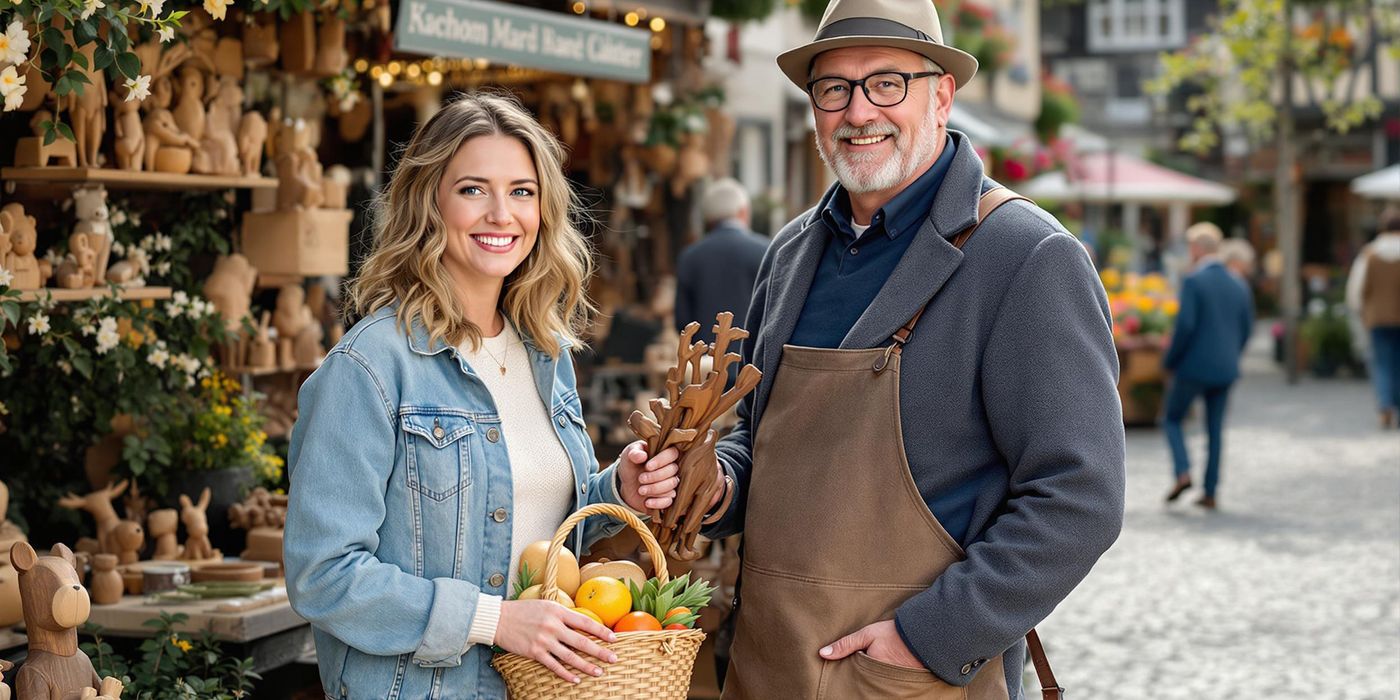
I remember one trip to the Black Forest, just a short train ride from Heidelberg. Instead of trying to hike all the famous trails, Hans and I chose a small village as our base. We spent our days exploring the local forests, chatting with farmers at the weekly market, and learning about traditional woodcarving from a local artisan. Those simple, unhurried moments created a connection to the region that I wouldn't have experienced otherwise.
Deeper Cultural Immersion
One of the greatest rewards of slow travel is the opportunity for deeper cultural immersion. When you're not rushing from one landmark to the next, you have time to engage with locals, learn about their traditions, and participate in community events. These interactions can provide insights into a culture that you simply can't get from a guidebook.
A simple tip: learn a few basic phrases in the local language. Even just knowing how to say hello, thank you, and please can make a huge difference in how you're received. It shows respect and a willingness to connect.
For example, during a trip to Heidelberg, I made an effort to learn some German idioms. I remember the amusement and warmth I received when I used the phrase “Ich drücke dir die Daumen!” (I’ll press my thumbs for you!) to wish a local baker good luck at a competition. It opened up a conversation that led to me learning about his family history and the secrets behind his famous Black Forest cake.
Sustainable Living on the Road
Slow travel naturally aligns with sustainable living. When you travel slowly, you're more likely to make choices that reduce your environmental footprint and support local communities. This could mean choosing eco-friendly accommodations, using public transportation, or buying locally sourced products.
Consider staying in guesthouses or family-run hotels instead of large chain hotels. These smaller establishments often have a lower environmental impact and provide a more authentic experience. Look for accommodations that have implemented sustainable practices, such as using renewable energy or reducing waste.
I’ve had wonderful experiences staying in eco-friendly accommodations throughout Europe. In Denmark, I stayed in a charming seaside cottage with solar panels and a rainwater harvesting system. It was a unique and memorable experience that allowed me to connect with nature while minimizing my impact on the environment.
Planning Your Slow Travel Itinerary
Planning a slow travel itinerary requires a different mindset than planning a conventional trip. The key is flexibility and leaving room for spontaneity. Don't try to cram too much into your schedule. Instead, choose a single region or country to explore in depth.
Research off-the-beaten-path destinations and hidden gems. Talk to locals and ask for their recommendations. Be open to changing your plans if something interesting comes up. The best travel experiences often happen when you least expect them.
There are many resources available for finding sustainable travel options and accommodations. Websites like BookDifferent and Ecobnb specialize in eco-friendly travel options. Local tourism boards can also provide information on sustainable businesses and attractions in the area.
The Mental and Emotional Benefits
Beyond the cultural and environmental benefits, slow travel can also have a profound impact on your mental and emotional well-being. Slowing down can reduce stress, increase mindfulness, and provide opportunities for self-reflection and personal growth.
Consider incorporating a digital detox into your slow travel trips. Unplug from your devices and reconnect with nature and yourself. Take time to meditate, journal, or simply sit and observe the world around you.
I’ve found that digital detoxes during my slow travel trips have been incredibly beneficial. During a recent trip to the Swiss Alps, I made a conscious effort to limit my screen time. I spent my days hiking in the mountains, reading books by the lake, and simply enjoying the peace and quiet. I returned home feeling refreshed, rejuvenated, and more connected to myself.
Slow travel is about prioritizing the journey over the destination, depth over breadth. It is about appreciating the nuances of a place and its people.