From the sun-kissed shores of Puerto Rico to the vibrant streets of Berlin, I've always found myself drawn to the rhythm of life. And what better way to experience that rhythm than through dance? It's a universal language, spoken not with words, but with movement, passion, and shared joy. Join me as we explore how dance can unlock deeper connections with cultures around the world.
The Rhythms of Connection: Dance as a Universal Language
Have you ever found yourself in a place where you didn't speak the language, yet felt completely connected to the people around you? For me, dance has often been that bridge. It's incredible how a shared rhythm can transcend linguistic barriers, communicating emotions, stories, and traditions in ways that words simply can't. Think about it: a heartfelt embrace in a tango, the fiery passion of flamenco, the synchronized power of a haka – each movement tells a story, a shared human experience.
I remember being in a small village in Argentina, utterly lost in translation. But when the local musicians started playing a tango, and a woman pulled me onto the dance floor, everything changed. We moved together, feeling the music, the connection, the unspoken narrative between us. That night, I didn't just learn a few steps; I learned about Argentinian culture, about passion, and about the power of non-verbal communication. It was a moment I'll never forget.
A World Tour Through Movement: Iconic Dances and Their Cultural Significance
The world is a vast and diverse tapestry, and each culture has its unique way of expressing itself through dance. Let's take a quick tour:
- Salsa (Cuba/Puerto Rico): More than just a dance, salsa is a vibrant expression of joy, community, and resilience. Its infectious energy reflects the spirit of the Caribbean and the fusion of African and Spanish influences.
- Tango (Argentina): A dance of passion, longing, and connection, tango tells a story of love and loss through its intricate steps and soulful music. It embodies the spirit of Buenos Aires and the intensity of human relationships.
- Kathak (India): With its intricate footwork, graceful hand gestures, and expressive storytelling, Kathak is a classical Indian dance form that narrates ancient myths and legends. It's a mesmerizing display of skill, devotion, and cultural heritage.
- Samba (Brazil): Synonymous with Carnival, Samba is a high-energy, exuberant dance that celebrates life, freedom, and the vibrant culture of Brazil. Its infectious rhythm and colorful costumes create an atmosphere of pure joy and celebration.
- Flamenco (Spain): A passionate and fiery art form, flamenco is an expression of deep emotions, from sorrow and pain to joy and pride. Its intricate footwork, soulful singing, and dramatic guitar music capture the essence of Spanish culture.
- Haka (New Zealand): The Haka is a powerful and rhythmic ancestral war dance of the Māori people. It is used to display tribal pride, strength, and unity. The Haka involves chanting, synchronized movements, and intense facial expressions.
It's crucial to remember that each dance is deeply rooted in its cultural context. Before attempting to participate or interpret a dance, take the time to understand its history, its meaning, and its significance to the people who created it.
Stepping into the Circle: How to Meaningfully Participate in Local Dance Traditions
So, you're ready to experience the magic of dance firsthand? Here are a few tips for engaging respectfully and authentically:
- Seek out authentic experiences: Look for local festivals, community gatherings, or dance classes taught by native instructors. Avoid tourist traps or overly commercialized performances.
- Respect local customs and etiquette: Observe how locals interact during the dance and follow their lead. Dress appropriately and be mindful of personal space.
- Learn a few basic steps: Even a basic understanding of the dance will enhance your experience and show respect for the culture.
- Be open-minded and willing to learn: Don't be afraid to make mistakes or ask questions. Embrace the opportunity to learn from locals and immerse yourself in their culture.
- Engage with Respect: Always ask for permission before taking photos or videos of dancers, and be mindful of cultural sensitivities.
My Dance Floor Memories: Personal Stories of Cultural Exchange Through Dance
Beyond that tango in Argentina, I have countless memories of connecting with locals through dance. There was the time I joined a salsa circle in a Havana street, feeling the infectious energy of the Cuban people. Or the evening I learned a traditional folk dance in a small German village, laughing and stumbling alongside my newfound friends. Each experience has taught me something new about myself, about the world, and about the power of human connection.
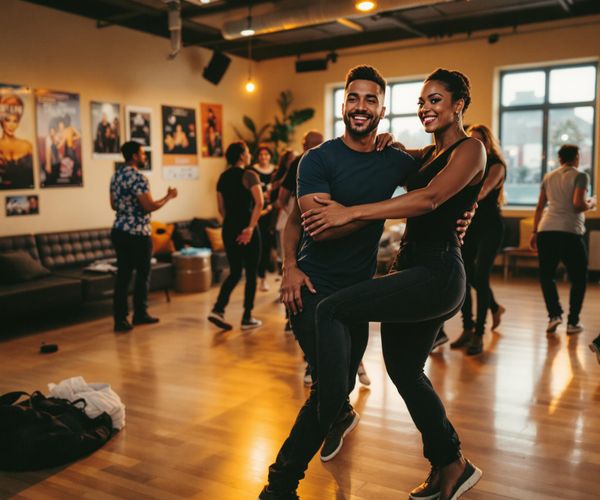
In Berlin, I found a vibrant community of Kizomba dancers. Kizomba, originating from Angola, is a sensual and intimate partner dance. Learning Kizomba has not only improved my dancing skills but also introduced me to people from diverse backgrounds. The shared experience of learning and dancing together has created deep bonds and friendships that transcend cultural differences.
Beyond the Steps: The Deeper Impact of Dance on Cultural Understanding
Dance is more than just a series of steps; it's a powerful tool for cultural exchange and understanding. It challenges stereotypes, promotes empathy, and fosters a sense of global citizenship. By participating in dance traditions around the world, we can break down barriers, build bridges, and celebrate the richness and diversity of human culture.
I encourage you to seek out opportunities to experience dance, whether in your own community or during your travels. Take a class, attend a performance, or simply let the music move you. You might be surprised at the connections you make and the lessons you learn. Dance has the power to transform not only our bodies but also our hearts and minds.
Explore how dance can unlock deeper connections with cultures around the world. Discover iconic dances, tips for respectful participation, and personal stories of cultural exchange.