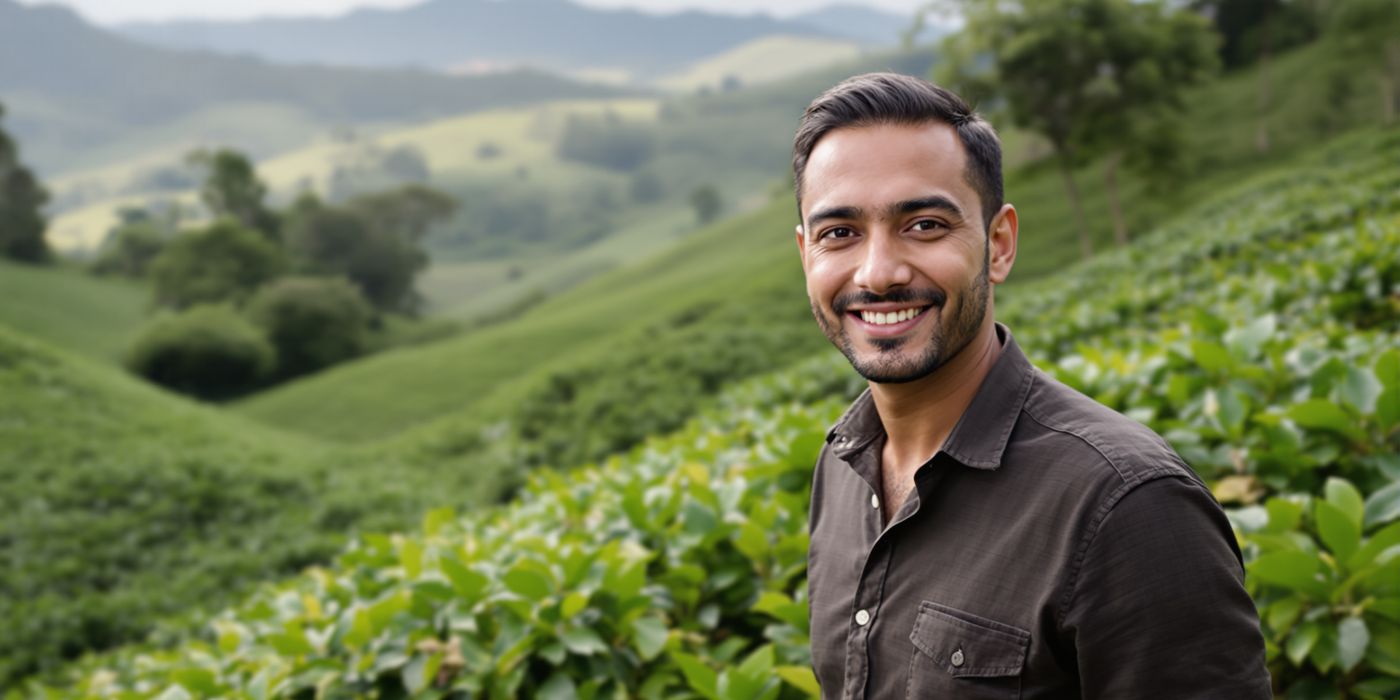
As a Puerto Rican living in Berlin, I've learned that travel is more than just seeing new places; it's about connecting with people and understanding their stories. It's about empathy. It's about seeing the world through someone else's eyes and appreciating the richness of human experience.
What is Empathetic Travel?
Empathetic travel goes beyond the typical tourist experience. It's about understanding and sharing the feelings of others. It's not just about ticking off landmarks; it's about actively participating in cultural exchange. It requires genuine curiosity and a willingness to learn, not just observe. It’s about connecting on a human level, acknowledging shared experiences, and respecting differences.
Think of it as moving beyond the surface. Instead of just seeing a monument, you learn about the people who built it, their struggles, and their triumphs. Instead of just eating a local dish, you understand its cultural significance and the stories behind the ingredients.
Why Empathy Matters in Travel
Empathy is a powerful tool that dismantles stereotypes and preconceived notions. It fosters connection and breaks down cultural barriers. When you approach a new culture with empathy, you're less likely to judge and more likely to understand.
It enhances travel experiences by enabling a deeper understanding of socioeconomic and cultural contexts. You start to see the world in a more nuanced way, appreciating the complexities of different societies and the challenges people face. For instance, understanding the history of a place can provide context for current social issues and help you engage more thoughtfully with the local community.
Cultivating Empathy Before and During Your Trip
Cultivating empathy starts long before you pack your bags. Research local customs and traditions to show respect. Learning about a country's history, social norms, and etiquette can help you avoid unintentional offense and demonstrate your genuine interest in their culture.
Learning a few basic phrases in the local language can significantly facilitate communication. Even a simple hello or thank you in the local tongue shows that you're making an effort to connect. It opens doors and invites people to share their stories with you.
Be aware of your own biases and assumptions. We all have them. Recognizing them is the first step toward overcoming them. Challenge your own stereotypes and be open to new perspectives. Understand that your way of life is not the only way, and that other cultures have their own unique values and traditions.
Techniques for Deepening Connections
Practice active listening: pay attention to nonverbal cues and emotional context. It's not just about hearing what someone is saying; it's about understanding the emotions behind their words. Make eye contact, nod to show you're engaged, and ask clarifying questions.
Engage in conversations with locals to learn about their daily lives. Ask about their families, their work, their hopes, and their dreams. Show genuine interest in their experiences and perspectives. You'll be surprised at how willing people are to share their stories if you approach them with sincerity and respect.
Suspend judgment and challenge prejudices. We all have preconceived notions about different cultures. Challenge those notions by seeking out diverse perspectives and engaging in open-minded dialogue. Be willing to admit when you're wrong and to learn from your mistakes.
Empathy in Action: Stories from the Road
I remember once being in a small village in Colombia, trying to find a specific coffee farm. I was completely lost and my Spanish was failing me miserably. Instead of just pointing me in the right direction, an older woman invited me into her home, gave me a cup of coffee (the best I've ever had, by the way), and then walked me all the way to the farm. It was a simple act of kindness, but it taught me the true meaning of hospitality and the power of human connection.
I once met a traveler in Thailand who volunteered at a local elephant sanctuary. She told me how rewarding it was to connect with the animals and learn about the challenges they face. She emphasized the importance of responsible tourism and supporting organizations that are working to protect endangered species.
Empathy can aid in conflict resolution and create positive interactions. When you approach a disagreement with empathy, you're more likely to find common ground and reach a mutually beneficial solution. By understanding the other person's perspective, you can de-escalate tensions and build bridges instead of walls.
The Benefits of Empathetic Travel
Empathetic travel expands understanding of different cultures and perspectives. It allows you to see the world in a more nuanced and complex way, appreciating the diversity of human experience. You'll gain a deeper understanding of the challenges and opportunities that people face in different parts of the world.
It promotes personal growth and self-discovery. By stepping outside of your comfort zone and engaging with different cultures, you'll learn more about yourself and your own values. You'll develop a greater sense of self-awareness and a deeper appreciation for the world around you.
It strengthens relationships and builds trust. When you approach others with empathy, you create a foundation of trust and mutual respect. You'll build stronger relationships with the people you meet on your travels, and you'll create lasting memories that will enrich your life for years to come.
Overcoming Challenges: Navigating Difficult Situations with Empathy
Approach sensitive topics with respect and mindfulness. Be aware that certain topics may be taboo in some cultures. Do your research and be sensitive to local customs and traditions. If you're unsure about something, it's always best to err on the side of caution.
Culture shock and unexpected mishaps are inevitable parts of travel. When you experience culture shock, try to be patient and understanding. Remember that you're in a new environment and that it takes time to adjust. If you encounter unexpected mishaps, try to approach them with a sense of humor and adaptability. See them as opportunities for learning and growth.
Adaptability and patience are key. Things will not always go according to plan. Be prepared to adjust your expectations and to go with the flow. The more adaptable and patient you are, the more you'll enjoy your travels.
Empathy as a Catalyst for Positive Change
Empathetic travel can contribute to cultural preservation. By supporting local businesses and cultural initiatives, you can help to preserve traditional arts, crafts, and customs. You can also learn about the challenges that local communities face and find ways to support their efforts to protect their cultural heritage.
Travel promotes diversity and inclusion. By engaging with different cultures and perspectives, you can help to break down stereotypes and promote understanding. You can also support organizations that are working to create a more inclusive and equitable world.
Support local businesses and community-based organizations. When you travel, make an effort to support the local economy. Shop at local markets, eat at local restaurants, and stay in locally owned accommodations. You can also volunteer your time or donate to community-based organizations that are working to improve the lives of local people.
Discover how empathy transforms travel into meaningful cultural exchanges. Learn to connect deeply, break stereotypes, and foster understanding on your journeys.