Berlin, January 15, 2025 – There's a unique thrill in setting off on an adventure alone. As someone who traded the sunny shores of Puerto Rico for the vibrant streets of Berlin, I've learned firsthand that solo travel isn't just about seeing new places; it's about discovering yourself and forging profound connections with the world around you. It's about immersing yourself in cultures without the filter of familiar faces, and that's an experience unlike any other.
Why Solo Travel Amplifies Cultural Immersion
Traveling solo is like removing a soundproof barrier. Suddenly, you're hearing the world in its purest form. When you're not surrounded by the familiar, you're compelled to engage directly with the local culture. There's no buffer, no one to translate not just languages, but also experiences. You’re making eye contact, attempting phrases in the local tongue, and truly observing the nuances of daily life.
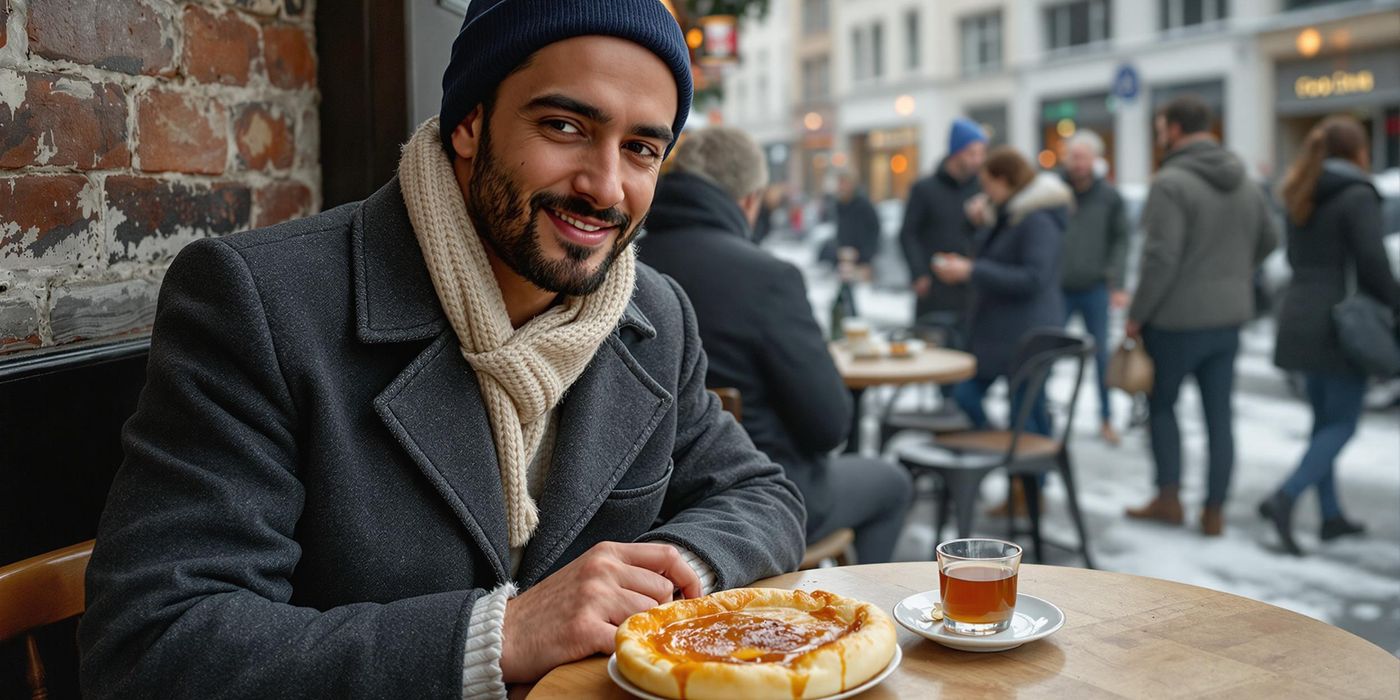
Independence becomes your greatest asset. Want to ditch the guidebook and follow a local’s recommendation for the best hidden café? Go for it! That’s exactly how I stumbled upon a tiny Turkish bakery in Kreuzberg serving the most incredible Künefe. These spontaneous decisions, guided by local insights, are the moments that truly enrich your journey. Plus, people are more likely to approach someone traveling alone, offering help, suggestions, or even just a friendly chat. It’s like the universe conspires to connect you with the right people at the right time.
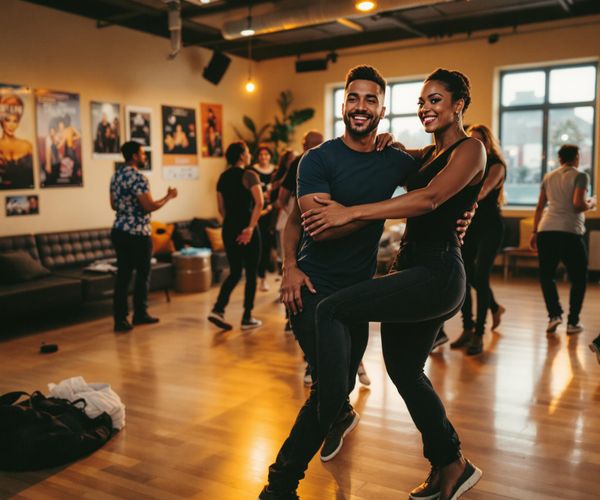
Solo travelers are often more inclined to participate in local customs. Whether it’s joining a traditional dance, learning to cook a regional dish, or simply observing a religious ceremony, the desire to connect and understand is amplified when you're on your own. In Kyoto, Japan, I found myself participating in a tea ceremony, a deeply spiritual experience that wouldn't have happened if I were distracted by the familiar comfort of a travel buddy.
Pre-Trip Preparation: Setting the Stage for a Meaningful Journey
Before you even pack your bags, the real journey begins. Research is key. Delve into the culture of your destination: understand their customs, traditions, and social etiquette. What’s considered polite? What’s taboo? Knowing these nuances can make all the difference in how you’re received and how deeply you can connect.
Learning even a few basic phrases in the local language shows respect and opens doors. It doesn't have to be fluent conversation; a simple hello, thank you, and excuse me can go a long way. Duolingo and other language apps are fantastic resources. Also, familiarize yourself with local transportation options. Knowing how to navigate the public transit system will give you the freedom to explore independently and immerse yourself in the daily rhythm of the city.
Packing with cultural sensitivity in mind is also crucial. In many cultures, dressing modestly is a sign of respect. Consider packing versatile clothing items that can be layered and adapted to different situations. And don't forget reusable shopping bags – a small gesture that shows you care about the environment and local customs.
Navigating the Social Landscape: Making Connections and Building Bridges
Initiating conversations with locals can be daunting, but a simple smile and a genuine question can break the ice. Ask for recommendations, directions, or even just strike up a conversation about the weather. People are often happy to share their knowledge and experiences, especially with someone who shows genuine interest.
Online platforms and apps can be invaluable resources for connecting with local communities. Couchsurfing, Meetup, and Facebook groups can connect you with locals who share your interests or are hosting cultural events. Consider joining a cooking class, a language exchange, or a volunteer project. These activities provide opportunities to interact with locals in a meaningful way and learn about their culture firsthand.
I remember volunteering at a community garden in Medellín, Colombia. Not only did I learn about local plants and gardening techniques, but I also connected with passionate locals who shared their stories and traditions. That experience gave me a deeper understanding of the city and its people than any tourist attraction ever could.
Embracing the Unknown: Stepping Outside Your Comfort Zone
Solo travel is an invitation to embrace the unexpected. Be open to trying new things, even if they scare you a little. Sample local cuisine, attend cultural performances, and venture off the beaten path. Get lost in the backstreets of a new city, and let your curiosity guide you. These are the moments where you truly discover yourself and the world around you.
Overcoming cultural barriers is part of the adventure. There will be misunderstandings, miscommunications, and moments of frustration. But these challenges are also opportunities for growth. Learn from your mistakes, adapt to new situations, and embrace the discomfort. It’s in these moments that you truly expand your horizons and develop a deeper understanding of yourself and the world.
I once found myself stranded in a small village in rural Vietnam after missing the last bus. Instead of panicking, I embraced the situation and spent the night with a local family. They welcomed me into their home, shared their food, and taught me about their culture. It was an unforgettable experience that taught me the importance of flexibility, resilience, and the kindness of strangers.
Safety and Self-Care: Prioritizing Well-being on the Road
While embracing the unknown is essential, safety should always be a priority. Be aware of your surroundings, avoid risky situations, and trust your instincts. If something feels off, don't hesitate to remove yourself from the situation.
Maintaining regular communication with friends and family is crucial, especially when traveling solo. Let them know your itinerary, check in regularly, and share your location. It’s also important to take necessary health precautions. Research any required vaccinations or health advisories for your destination, and make sure you have access to medical assistance if needed.
Finally, don’t forget to prioritize self-care. Traveling can be exhausting, both physically and mentally. Make time for activities that help you relax and recharge, whether it’s exercise, meditation, journaling, or simply reading a book in a quiet park. Taking care of yourself is essential for maintaining your well-being and enjoying your solo adventure to the fullest.
Solo travel amplifies cultural immersion by removing filters, fostering independence, and encouraging participation in local customs. Pre-trip preparation, social navigation, embracing the unknown, and prioritizing safety are key.