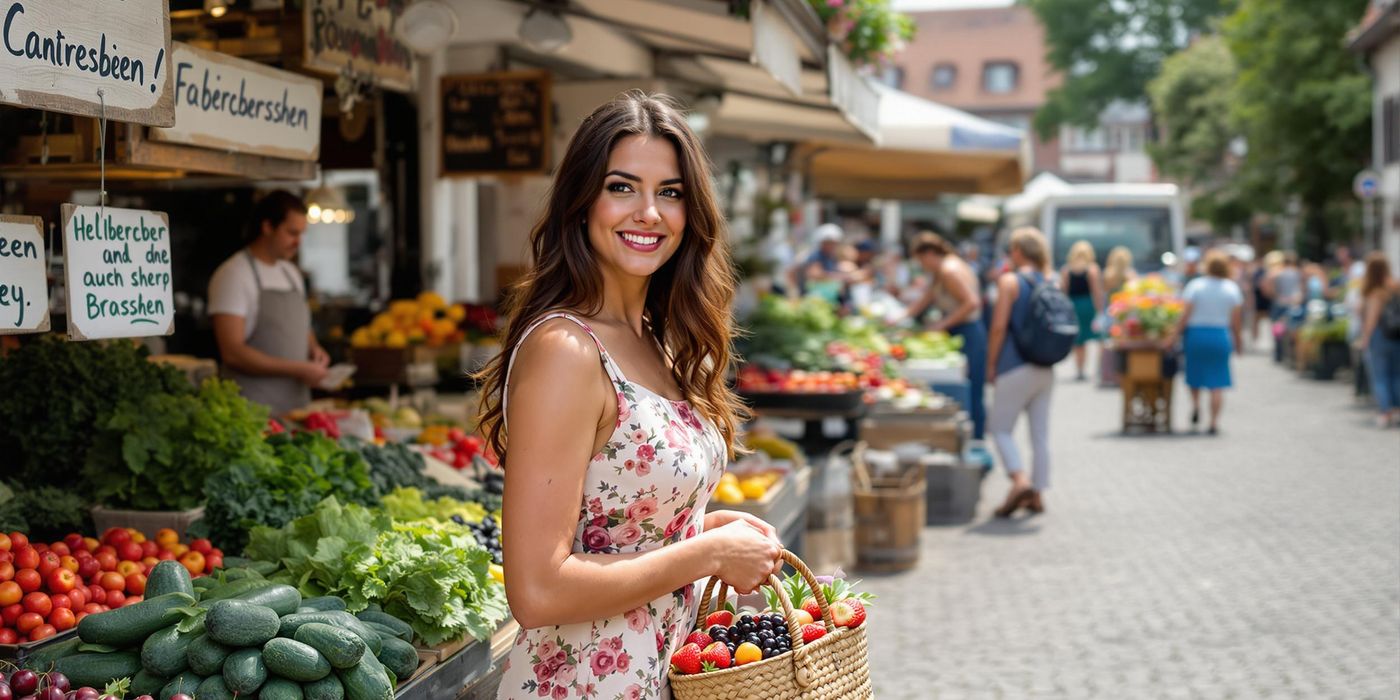
Hello, wanderers and food enthusiasts! Maria Oliveira here, ready to whisk you away on a culinary journey that transcends borders. Having traded the vibrant streets of Ouro Preto for the charming alleys of Heidelberg, I've discovered that the most authentic way to embrace a new culture is through its cuisine. So, grab your aprons, and let's explore the delightful world of cooking abroad!
The Allure of Culinary Exploration
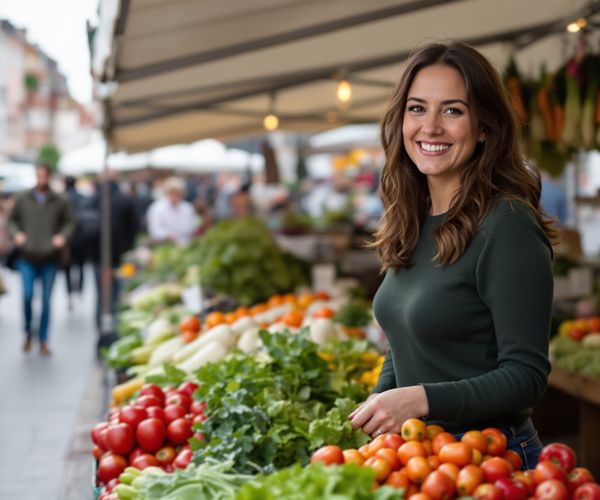
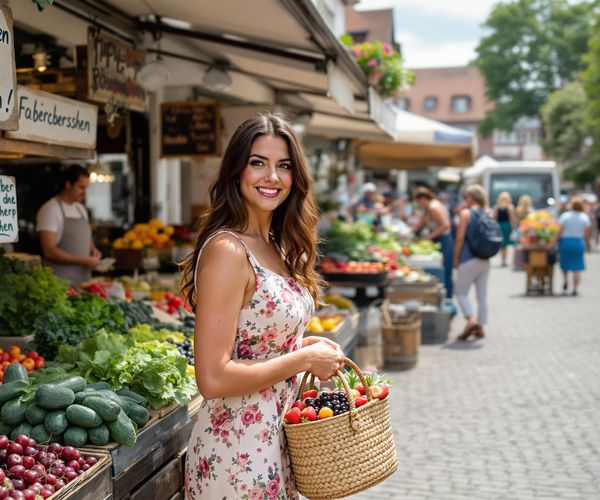
There's something magical about wandering through a foreign market, isn't there? The vibrant colors of unfamiliar fruits, the intriguing aromas of local spices – it's a feast for the senses! For me, food is more than just sustenance; it's a gateway to understanding different cultures. Cooking, in particular, becomes a bridge, connecting you to the heart of a community. It's about sharing stories, traditions, and a little bit of yourself with the people you meet along the way.
I remember my first attempt at making feijoada (Brazilian black bean stew) here in Germany. The local butcher looked at me quizzically when I asked for smoked pork ears and feet! It was a humorous start, but it taught me so much about German culinary traditions and the importance of adapting recipes to what's available.
Sourcing Local Ingredients: A Treasure Hunt
One of the most exciting parts of cooking abroad is the treasure hunt for local ingredients. Forget the generic supermarkets; head straight to the local markets and food co-ops! These places are teeming with fresh, seasonal produce and unique regional specialties. Don't be afraid to strike up a conversation with the local farmers and vendors. They're often more than happy to share tips and stories about their products. Building these relationships not only enriches your culinary experience but also supports the local economy.
Understanding seasonal produce is also key. What grows in abundance at a particular time of year will not only be fresher but also more flavorful. In Germany, for example, I eagerly await Spargelzeit (asparagus season) every spring. Incorporating these seasonal delights into my cooking adds a special touch that truly reflects the local culture.
From Market to Kitchen: Adapting Recipes
Now comes the fun part: adapting your favorite recipes to the ingredients you find. This is where your creativity shines! Sometimes, you'll find perfect substitutes that enhance the dish in unexpected ways. Other times, you'll encounter humorous mishaps that become cherished memories.
My experiments with Brazilian recipes using German ingredients have led to some interesting results. I've used German smoked sausage in my feijoada, which adds a unique smoky flavor. I've also substituted cassava flour with potato starch in some recipes, with surprisingly good results. Of course, there have been some failures too – like the time I tried to make pão de queijo (Brazilian cheese bread) with the wrong type of cheese! But even those mishaps are part of the adventure.
A Brazilian Kitchen in Germany: A Personal Journey
Living in Germany has been a culinary adventure. Finding authentic Brazilian ingredients can be a challenge, but it's also an opportunity to get creative. I've learned to embrace German cuisine while keeping my Brazilian traditions alive. I often cook dishes that blend both culinary styles. For instance, I make a Brazilian-style Moqueca (fish stew) using locally sourced German fish and vegetables.
One of my favorite recipes is a fusion dish I call Apfelstrudel com Brigadeiro. It's a classic German apple strudel filled with creamy Brazilian brigadeiro (chocolate fudge). The combination of the sweet apples, flaky pastry, and rich chocolate is simply divine!
The Cultural Impact of Food: More Than Just a Meal
Food is so much more than just a meal; it's a cultural experience. Sharing meals with people from different backgrounds fosters understanding and appreciation. It's a way to break down barriers and build connections. I've hosted countless dinner parties where I've shared Brazilian dishes with my German friends, and vice versa. These gatherings have led to fascinating conversations, laughter, and a deeper understanding of each other's cultures.
Food also plays a vital role in preserving heritage and deepening social ties. Cooking traditional dishes reminds me of my childhood in Brazil and connects me to my family and friends back home. I encourage you to document your culinary adventures and share them with others. Whether it's through a blog, a cookbook, or simply sharing recipes with friends, you'll be contributing to a rich tapestry of cultural exchange.
Embark on a culinary journey with Maria Oliveira as she explores the joy of cooking abroad, infusing local flavors into her cuisine and creating unforgettable cultural experiences.