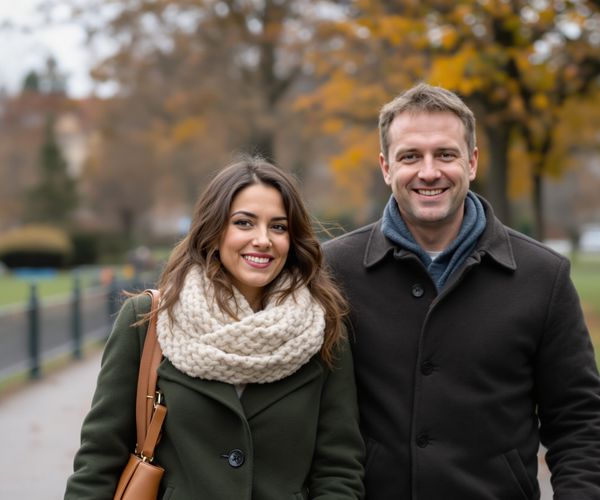
Olá, wanderers! Maria here, ready to share some insights on a topic close to my heart: travel anxiety. As someone who moved from the vibrant hills of Ouro Preto, Brazil, to the charming streets of Heidelberg, Germany, I know firsthand the mix of excitement and apprehension that comes with exploring new horizons. Travel anxiety is real, but it doesn't have to hold you back. Let's dive into practical strategies to manage those butterflies and embrace the unknown with confidence.
Understanding Travel Anxiety: More Common Than You Think
You're not alone if the thought of packing your bags sends a shiver of anxiety down your spine. Travel anxiety is surprisingly common. In fact, approximately 18% of adults in the U.S. experience it. It's a widespread concern that can manifest in various ways. For some, it's the fear of flying, the turbulence, or being in a confined space. For others, it's the worry about being in an unfamiliar environment, navigating new transportation systems, or even separation anxiety from the comforts of home. Health worries, like getting sick in a foreign country, also contribute to travel anxiety.
Interestingly, there's a neurological basis for this anxiety. A 2022 Cornell University study revealed increased amygdala activity (the brain's fear center) during travel planning. This highlights that the anxiety isn't just in your head; it's a physiological response. Understanding this can be the first step in managing it.
Pre-Trip Strategies: Planning with Peace of Mind
As a geriatric nurse, I know the importance of preparation, and this holds true for travel as well. Planning and preparation are key to reducing travel anxiety. Start by creating a flexible itinerary. Don't pack your schedule so tightly that you leave no room for spontaneity or unexpected delays. Building in buffer time can significantly reduce stress if things don't go exactly as planned.
Researching your destination is another crucial step. Understanding local customs, transportation options (Is the subway easy to navigate? Are taxis readily available?), and potential challenges will make you feel more in control. Consult travel blogs (like this one!), guidebooks, and online forums to gather information.
In our digital age, there are fantastic tools at our fingertips. Meditation apps are a great way to practice pre-trip relaxation and guided visualizations. Imagine yourself enjoying your trip, feeling calm and confident. This mental rehearsal can make a big difference. And of course, consult your healthcare provider regarding any necessary medications and how to adjust them for time zone changes. Remember to pack any prescriptions in your carry-on luggage, just in case!
In-Transit Techniques: Staying Grounded on the Go
So, you're on the plane, train, or bus, and the anxiety starts to creep in. What do you do? Grounding exercises can be incredibly effective. Controlled breathing techniques, like the 4-7-8 method, can help calm your nervous system. Breathe in for 4 seconds, hold for 7 seconds, and exhale slowly for 8 seconds. Repeat this several times.
Another technique is the 5-4-3-2-1 sensory grounding exercise. Acknowledge five things you can see, four things you can touch, three things you can hear, two things you can smell, and one thing you can taste. This brings you back to the present moment and reduces acute anxiety.
Consider creating a sensory comfort kit. This could include items like a favorite scented lotion, a smooth stone, or a soft scarf. Engaging your senses in calming ways can be very soothing. And don't underestimate the power of distractions! Load up your devices with music, books, or movies that you enjoy. Immersing yourself in something engaging can keep your mind occupied and away from anxious thoughts.
Destination Stability: Maintaining Equilibrium in Unfamiliar Surroundings
Once you arrive at your destination, it's important to establish a sense of stability. Try to maintain a modified version of your home mental health routine. If you usually go for a morning walk, find a park or scenic route near your accommodation. If you enjoy journaling, continue to do so during your travels.
Communicate your needs to your travel partners. Set clear expectations regarding personal routines and decompression time. It's okay to say, I need an hour to myself to recharge before we head out. Building in downtime after busy sightseeing days is essential to rest and recharge. Don't feel guilty about taking a break!
Post-Trip Reintegration: Easing Back into Daily Life
The trip is over, but the journey isn't quite complete. Gradual reintegration into daily life is key to avoiding re-entry anxiety. If possible, take a buffer day at home before returning to work. This allows you to unpack, catch up on tasks, and process your travel experiences.
Use this time to reflect on your trip. What did you learn? What were your favorite moments? What challenges did you overcome? Acknowledging your accomplishments can boost your confidence for future travels.
Remember, travel anxiety is manageable. With the right strategies and mindset, you can embrace the unknown and create unforgettable memories. Safe travels, and até a próxima!
Practical strategies to manage travel anxiety and embrace new experiences. Learn about pre-trip planning, in-transit techniques, and post-trip reintegration for confident travel.