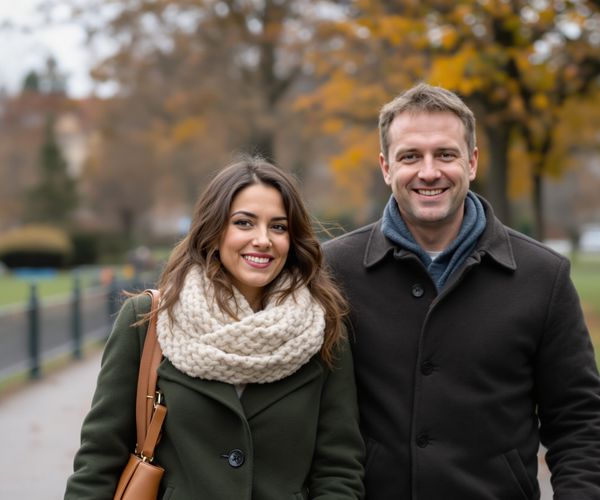
Growing up in Ouro Preto, a city steeped in Brazilian history, instilled in me a deep appreciation for historical sites. Now living in Heidelberg, Germany, with my husband Hans, I've continued my journey of exploring the world's historical treasures. Through my travels, I've learned that visiting these sites is more than just ticking off landmarks; it's about connecting with the past, understanding different cultures, and respecting the stories etched in stone and memory. Here are some tips to help you make the most of your historical explorations.
Planning Your Historical Adventure
Preparation is key to a fulfilling historical site visit. It's not just about showing up; it's about understanding what you're seeing.
- Researching the site's history and significance before visiting is crucial. Delve into the stories behind the stones. What major events occurred there? Who were the key figures associated with the site?
- Checking opening hours, ticket prices, and accessibility information is a must. Nobody wants to arrive only to find the gates closed or that a key exhibit is under renovation.
- Considering the best time of year or day to visit to avoid crowds can significantly enhance your experience. Imagine wandering through ancient ruins without the jostle of fellow tourists!
- Learning a few basic phrases in the local language, if applicable, shows respect and can open doors to richer interactions with locals.
Before visiting Ouro Preto, I spent weeks reading about its role in the Brazilian Gold Rush. This research wasn't just academic; it transformed my visit. I discovered hidden gems, like the Igreja de São Francisco de Assis de Ouro Preto, a church adorned with intricate carvings by the famed artist Aleijadinho, that I might have otherwise missed. It made the experience so much more personal and meaningful.
Immersing Yourself in the Past
Once you arrive, it's time to truly immerse yourself in the atmosphere and stories of the site.
- Taking guided tours to gain deeper insights from knowledgeable experts is an excellent way to learn. Their passion and expertise can bring the history to life.
- Exploring museums and visitor centers associated with the site provides valuable context and displays artifacts that further illuminate the past.
- Reading historical fiction or non-fiction books related to the site's time period can enrich your understanding and transport you back in time.
- Listening to podcasts or watching documentaries about the site's history can offer different perspectives and insights.
Before a recent trip to the United States, I listened to a series of podcasts about Stratford Hall, the ancestral home of the Lee family. Listening to the podcasts helped me understand more about the historical significance of the Hall. During the tour, I felt like I already knew so much about the people who lived there.
Visiting Heidelberg Castle, with its imposing ruins overlooking the city, always sparks my imagination. I try to picture what life was like for the electors who once resided there, the grand feasts they held, and the political intrigues that unfolded within those walls. It's a powerful way to connect with history on a personal level.
Respecting the Site and Its History
Historical sites are fragile and sacred. It's our responsibility to treat them with respect and ensure their preservation for future generations.
- Following all rules and guidelines set by the site management is paramount. They are in place to protect the site and ensure a positive experience for everyone.
- Avoiding touching or climbing on historical structures or artifacts is crucial to prevent damage. Remember, these objects are irreplaceable.
- Staying on designated paths to minimize erosion and damage is a simple way to protect the site's integrity.
- Being mindful of noise levels and other visitors ensures a respectful atmosphere for everyone.
- Not removing any artifacts or souvenirs from the site is essential. Leave everything as you found it.
- Respecting local customs and traditions, especially at religious sites, demonstrates cultural sensitivity and awareness.
I once witnessed a group of tourists defacing a wall at an ancient temple. I was shocked and saddened by their blatant disrespect. It's a reminder that we all have a role to play in preserving these sites, not just for ourselves but for generations to come. We must set a good example and speak out against such behavior.
Engaging with the Local Culture
Exploring historical sites offers a unique opportunity to engage with the local culture and community.
- Supporting local businesses and economies by purchasing souvenirs and meals from local vendors helps sustain the community and promotes responsible tourism.
- Interacting with local guides and residents to learn about their perspectives on the site's history can provide invaluable insights and personal stories.
- Attending local festivals or events that celebrate the site's cultural heritage offers a vibrant and immersive experience.
- Trying local cuisine and learning about the history of traditional dishes is a delicious way to connect with the culture.
Living in Heidelberg, I've embraced the opportunity to cook Brazilian dishes using local German ingredients. It's a fun way to blend my heritage with my new home and share my culture with my friends and neighbors. It is fascinating discovering the similarities between both cultures.
Hans and I once attended a local festival in Heidelberg celebrating the region's wine-making traditions. We learned about the history of viticulture in the area, sampled local wines, and enjoyed traditional German music and dancing. It was a fantastic way to immerse ourselves in the local culture and connect with the community.
Documenting and Sharing Your Experience Responsibly
Sharing your travel experiences can inspire others to explore the world, but it's important to do so responsibly.
- Taking photos and videos to capture memories is wonderful, but be mindful of restrictions and other visitors. Avoid using flash photography in sensitive areas and be respectful of people's privacy.
- Sharing your experiences on social media is a great way to connect with others, but avoid promoting risky behavior or sharing sensitive site locations. Be mindful of the impact your posts can have.
- Highlighting the importance of preservation and responsible tourism in your posts can help educate others and promote sustainable travel practices.
- Reflecting on what you learned and how the experience changed your understanding of history and culture can deepen your appreciation and inspire others to do the same.
- Encouraging others to travel responsibly and respectfully can help protect these sites for future generations.
I love sharing my travel photos online, but I always try to use my platform to educate others about historical preservation and responsible tourism. I believe that we all have a responsibility to protect these sites and ensure that they are enjoyed by future generations.
Exploring historical sites is a rewarding and enriching experience. By planning ahead, immersing yourself in the past, respecting the site and its history, engaging with the local culture, and documenting your experience responsibly, you can make the most of your historical adventures and create lasting memories.
Unlock the secrets of historical sites with tips on how to explore them thoroughly and respectfully. Learn to connect with the past and understand different cultures.