As a Brazilian transplant living in Germany, I've always been fascinated by the beautiful dance of cultural exchange. It's about more than just ticking off landmarks; it's about connecting with people, understanding their stories, and finding common ground amidst our differences. Over the years, my husband Hans and I have stumbled, learned, and grown through countless travel experiences. I'm excited to share some insights that have helped us navigate the world with open hearts and minds.
Embracing the Unexpected: My First Cultural Mishap
I'll never forget our trip to Japan. I was so excited to experience the tea ceremony, a ritual I had read so much about. I thought I had done my research, but during the ceremony, I made the mistake of drinking my tea before the host finished speaking. The silence that followed was deafening! It was a genuine mistake, born out of eagerness and a touch of ignorance. I quickly apologized, explaining that I was still learning about Japanese customs. To my relief, the host smiled kindly and explained the proper etiquette. That moment taught me a valuable lesson: cultural misunderstandings are inevitable, but approaching them with humility and a willingness to learn can turn them into opportunities for connection. Being open-minded and adaptable is key when venturing into unfamiliar territories. Remember, we're all students in the school of global citizenship, and sometimes, we'll make mistakes – and that's okay!
The Power of 'Please' and 'Thank You': Basic Phrases That Open Doors
Before any trip, Hans and I always make it a point to learn a few basic phrases in the local language. It's amazing how far a simple 'please' (por favor in Portuguese, bitte in German) and 'thank you' (obrigado/a, danke) can go. It shows respect and a genuine interest in connecting with the local culture. These days, there are so many fantastic resources available for language learning. Apps like Duolingo and Memrise are great for building vocabulary and practicing pronunciation. Phrasebooks can also be lifesavers, especially in situations where you need to communicate quickly. Don't be afraid to butcher the pronunciation – locals usually appreciate the effort! Even a few words can break down barriers and lead to more meaningful interactions. I remember trying to order coffee in a small Italian cafe. My Italian was terrible, but when I managed to stammer out 'un caffè, per favore,' the barista's face lit up, and we had a lovely little chat about the best local pastries.
Beyond the Tourist Trail: Immersing Yourself in Local Life
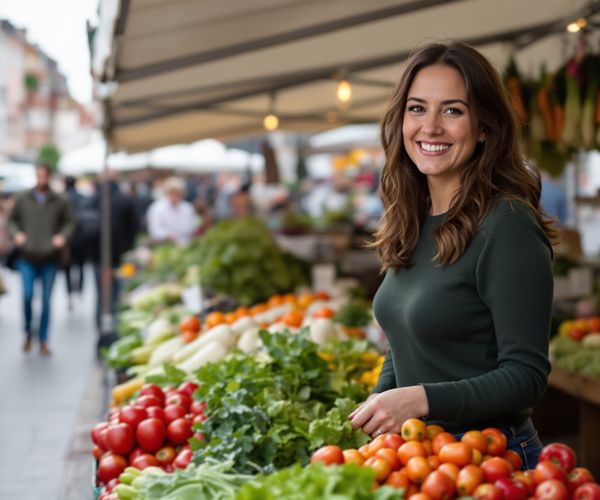
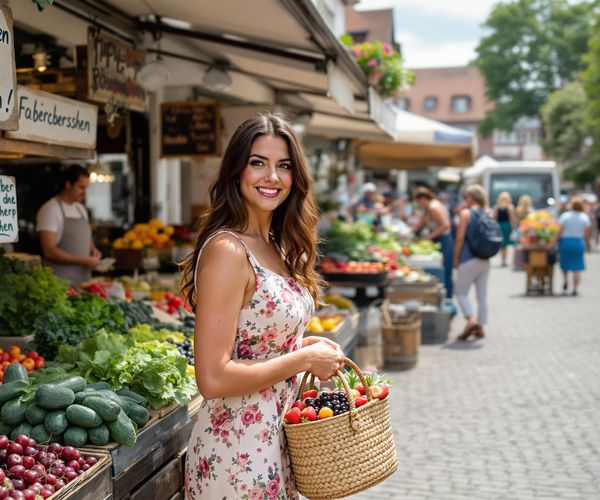
While seeing the famous landmarks is a must, true cultural exchange happens when you venture off the beaten path. Instead of staying in a touristy hotel, consider renting an apartment in a local neighborhood. Explore the local markets, attend community events, and strike up conversations with the people you meet. During our travels in South America, Hans and I volunteered at a local community center in Medellín, Colombia. We helped teach English to children and learned so much about the challenges and triumphs of the community. Participating in local festivals is another fantastic way to immerse yourself in the culture. The energy, the music, the food – it's an experience that stays with you long after you've left. These shared experiences create lasting connections and offer a deeper understanding of the local way of life.
Respecting Boundaries: Navigating Cultural Norms
Before traveling to a new country, take some time to research the local customs and traditions. What is considered appropriate attire? What are the local etiquette rules? Are there any specific behaviors to avoid? For example, in some cultures, it's considered rude to point your finger at someone or to eat with your left hand. Being aware of these nuances can help you avoid unintentional offense and show respect for the local culture. I recall visiting a temple in Thailand and almost making the mistake of wearing shorts. Thankfully, Hans spotted a sign indicating that modest dress was required, and we were able to borrow sarongs before entering. It's always better to err on the side of caution and show sensitivity towards local customs. If you're unsure about something, don't hesitate to ask a local for clarification. Most people are happy to share their culture and traditions with respectful visitors.
Food as a Bridge: Sharing Meals and Culinary Traditions
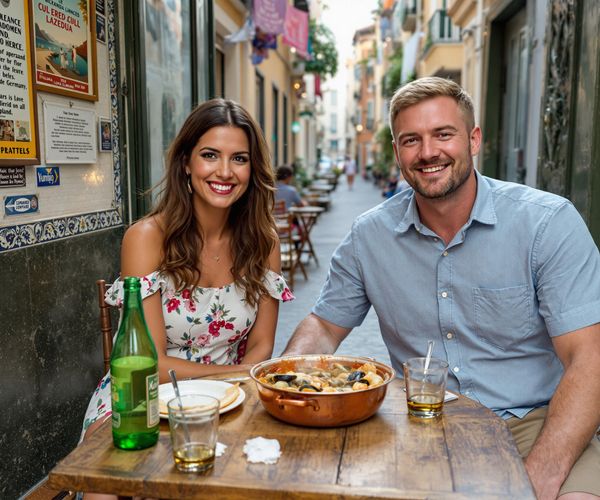
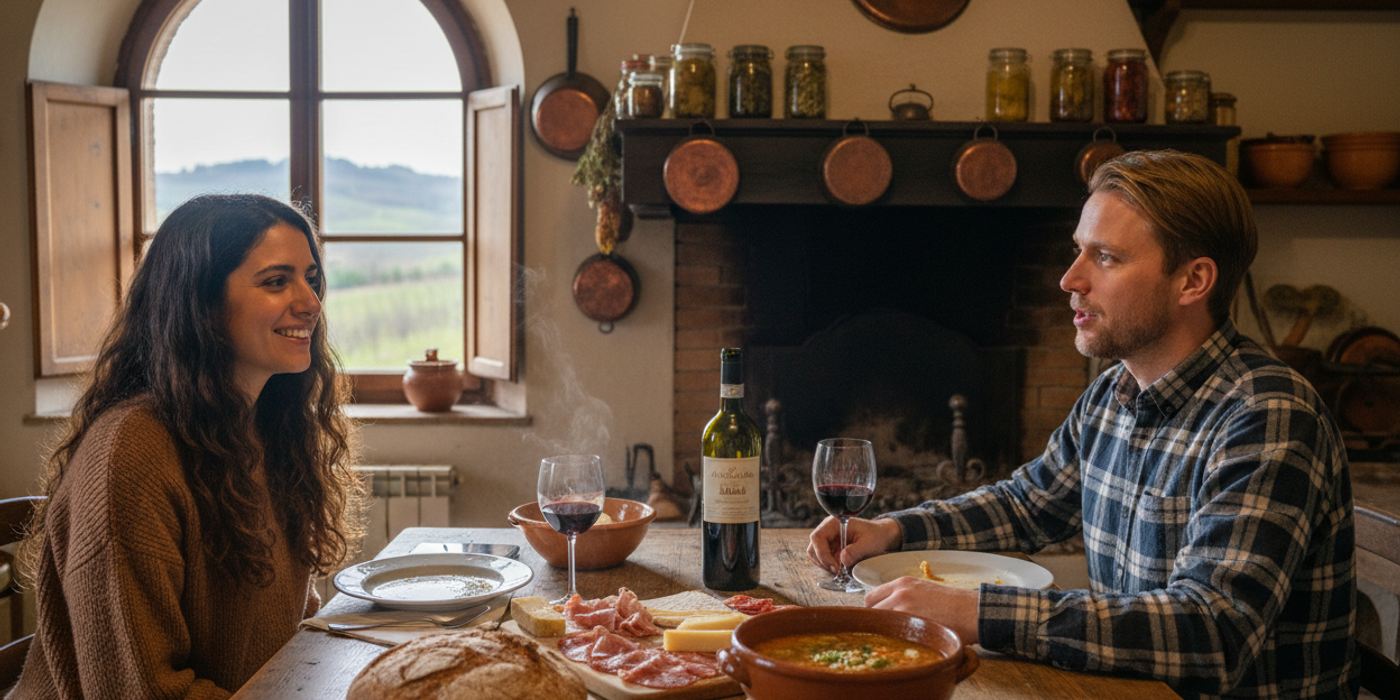
Ah, food! One of my favorite ways to experience a new culture. Trying local cuisine is an adventure in itself, but even better is participating in cooking classes or sharing a meal with a local family. Food is such a powerful connector. I remember when Hans and I visited a small village in Tuscany, Italy. We were invited to join a local family for Sunday lunch. We didn't speak much Italian, but we bonded over plates of homemade pasta, laughter, and shared appreciation for good food. It was a simple meal, but it created a lasting memory. Food often carries deep cultural significance, reflecting a region's history, traditions, and values. Learning about the origins of a dish or the rituals surrounding its preparation can offer valuable insights into the local culture.
The Art of Active Listening: Learning Through Conversation
When interacting with locals, remember that listening is just as important as speaking. Be genuinely curious about their lives, their experiences, and their perspectives. Ask open-ended questions and listen attentively to the responses. Even with language barriers, you can still communicate through gestures, facial expressions, and a willingness to understand. I've found that people are often eager to share their stories if you show genuine interest. During a train ride in India, I struck up a conversation with a young woman who was traveling to visit her family. We talked about our lives, our dreams, and our challenges. It was a brief encounter, but it gave me a glimpse into a world very different from my own. These conversations can broaden your horizons and challenge your assumptions.
Sustainable Interactions: Giving Back to the Community
As travelers, we have a responsibility to be mindful of our impact on the communities we visit. Support local businesses, artisans, and initiatives. Choose eco-friendly accommodations and transportation options. Be respectful of the environment and try to minimize your waste. Consider volunteering your time or donating to local charities. Even small acts of kindness can make a big difference. During our travels in Southeast Asia, we made it a point to buy souvenirs from local artisans rather than mass-produced tourist shops. We also volunteered at a local animal shelter, helping to care for rescued animals. By giving back to the community, you can leave a positive impact and contribute to the sustainability of the local culture.
Learn how to engage with different cultures while traveling. Maria shares her experiences and tips for respectful interaction, language learning, and adapting to cultural norms.