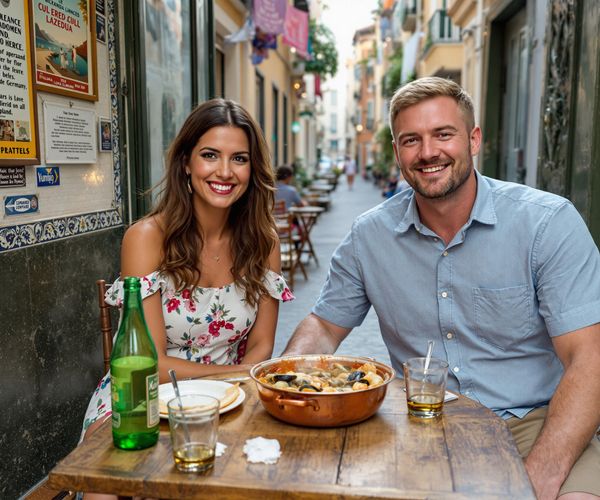
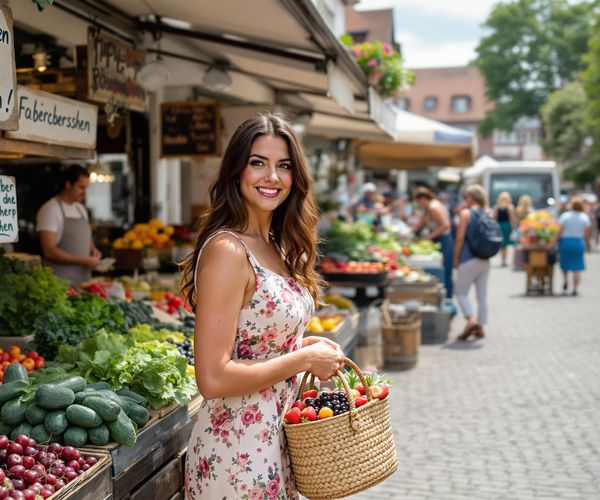
Hey everyone, Maria here! As a Brazilian living in Germany, I've always found travel to be more than just seeing new places. It's about connecting with the heart of a culture, the soul of a landscape, and the stories etched on people's faces. And for me, photography is the key to unlocking and sharing those experiences. So, grab your camera (or your phone!), and let’s dive into how to capture travel memories that truly resonate.
The Heart of Travel Photography: Storytelling Through Images
What makes a travel photo truly memorable? It's not just about postcard-perfect scenery. It’s about capturing the essence of a moment, the emotion in someone's eyes, or the unique energy of a place. For me, a great travel photo tells a story. It transports you back to that instant, allowing you to relive the sights, sounds, and feelings. Think about the bustling markets of Marrakech, the serene temples of Kyoto, or the vibrant streets of my hometown, Ouro Preto. Each place has its own story, waiting to be told through your lens.
Connecting with your subject is crucial. Whether it's a sweeping vista or a close-up portrait, try to find a personal connection. What draws you to this scene? What emotions does it evoke? Let that guide your composition and your focus. Don't just snap a picture; create an image that speaks.
Essential Techniques for Capturing Authentic Moments
Now, let's talk technique. You don't need fancy equipment to take stunning travel photos. A good eye and a few basic principles can go a long way.
- Composition: The rule of thirds is your friend! Imagine dividing your frame into nine equal parts with two horizontal and two vertical lines. Place key elements of your scene along these lines or at their intersections to create a more balanced and visually appealing image. Also, look for leading lines – roads, rivers, fences – that draw the viewer's eye into the photo and create a sense of depth.
- Light: Natural light is your best ally, especially during the golden hours – the hour after sunrise and the hour before sunset. The warm, soft light during these times can add a magical touch to your photos, enhancing the mood and atmosphere. Pay attention to how light interacts with your subject. Experiment with shadows and highlights to create dimension and drama.
- Details: Don't forget the details! Close-ups of textures, patterns, and unique elements can add depth and tell a richer story. Think about the intricate carvings on a temple door, the vibrant colors of a local textile, or the weathered hands of a craftsman. These details can often reveal more about a place than a wide-angle shot ever could.
Respect and Cultural Sensitivity: Photographing People and Places Ethically
As a traveler, it's crucial to be mindful and respectful of the cultures you're visiting. When photographing people, always ask for permission first, especially in culturally sensitive areas. A simple smile and a polite gesture can go a long way. If you don't speak the local language, try to learn a few basic phrases, including how to ask for permission to take a photo.
Interacting with locals can also lead to incredible photo opportunities. Take the time to chat with people, learn about their lives, and show genuine interest in their culture. Often, people are more willing to be photographed if they feel a connection with you. Remember, you're a guest in their home, so treat them with respect and courtesy.
Avoid being intrusive or disrespectful when capturing cultural moments. Be mindful of religious ceremonies or other sensitive events. Observe from a distance and try to capture the essence of the moment without disrupting it. The goal is to document the culture, not to exploit it.
Gear and Gadgets: Maria's Go-To Photography Equipment
Okay, let's talk gear. While I believe that a great photo is more about the eye than the equipment, having the right tools can certainly make a difference. Here’s a peek into my travel photography kit:
- Camera: I currently use a Sony Alpha 7 III. It's a full-frame mirrorless camera that's relatively lightweight and offers excellent image quality, even in low light.
- Lenses: My go-to lenses are a 24-70mm zoom lens for versatility and a 50mm prime lens for portraits and shallow depth of field. I also sometimes bring a wide-angle lens (16-35mm) for landscapes.
- Accessories: A sturdy tripod is essential for landscapes and low-light photography. I also carry extra batteries, memory cards, and a lens cleaning kit.
Choosing the right equipment depends on your travel style and the types of photos you want to take. If you're backpacking, you'll want to prioritize portability. If you're focusing on wildlife photography, you'll need a telephoto lens. Do your research and choose equipment that fits your needs and budget.
Don't underestimate the power of smartphone photography! Modern smartphones have incredible cameras that can capture stunning images. Learn how to use the manual settings on your phone to control exposure, focus, and white balance. And don't be afraid to experiment with different apps and filters to enhance your photos.
Beyond the Snapshot: Editing and Enhancing Your Travel Photos
Once you've captured your photos, the real fun begins – editing! I see photo editing as an opportunity to enhance the natural beauty and mood of my images, not to drastically alter them. My approach is to make subtle adjustments that bring out the best in each photo.
I primarily use Adobe Lightroom for editing. It's a powerful software that allows you to adjust exposure, contrast, color, and sharpness. There are also many great mobile apps for editing on the go, such as Snapseed and VSCO.
Here are a few basic editing tips:
- Color Correction: Adjust the white balance to ensure that your colors are accurate. Use the temperature and tint sliders to fine-tune the colors.
- Exposure and Contrast: Adjust the exposure to brighten or darken the image. Increase the contrast to add more definition.
- Sharpening: Add a touch of sharpening to bring out the details in your photo. Be careful not to over-sharpen, as this can create unwanted artifacts.
Remember, the goal of editing is to enhance your photos, not to transform them into something they're not. Keep your edits subtle and true to the original scene. Let your photos tell their story in an authentic and compelling way.
Capture the heart of your travels through photography! Learn Maria's tips for storytelling with images, ethical practices, and essential techniques.