For me, travel has always been more than just seeing famous landmarks; it’s about truly connecting with a place and its people. And what better way to do that than through food? Culinary experiences offer a unique window into a culture, revealing its history, traditions, and values. Join me as I share my insights on how to embark on your own culinary adventures and savor the world, one dish at a time.
The Universal Language of Food
Food, in its essence, is a universal language. It transcends linguistic and cultural barriers, offering a common ground for people from all walks of life to connect. Sharing a meal is an act of vulnerability and trust, fostering understanding and camaraderie. I've often found that even when I don't speak the local language, sharing a simple meal can create a bond that words cannot express. Whether it's the warmth of sharing homemade bread in a Bulgarian village or the lively chatter around a tapas table in Spain, food has a remarkable way of bringing people together.
Finding Authentic Culinary Experiences
Discovering authentic culinary experiences requires a bit of research and a willingness to step outside your comfort zone. Online reviews and travel guides can be helpful starting points, but I've found that local blogs and recommendations from residents are invaluable. Don't be afraid to ask your hotel concierge, a shopkeeper, or even a fellow traveler for their favorite local eatery. Be wary of restaurants located in highly touristy areas; these are often 'tourist traps' that serve watered-down versions of local cuisine at inflated prices. Instead, venture off the beaten path and explore local neighborhoods. Look for small, family-run restaurants or cafes where locals gather. These hidden gems often offer the most authentic and delicious culinary experiences.
Market Visits: A Feast for the Senses
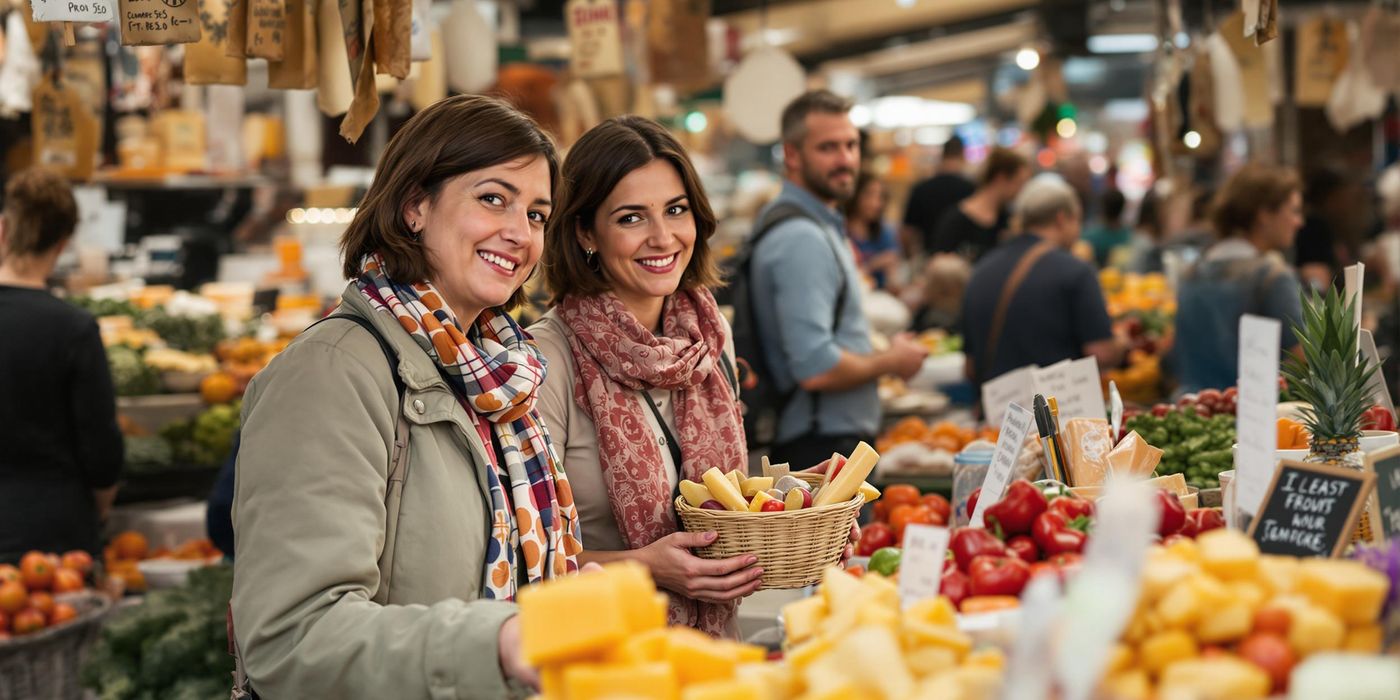
Visiting a local market is a sensory overload in the best possible way. The vibrant colors of fresh produce, the sounds of vendors hawking their wares, and the enticing aromas of spices and street food create an atmosphere that is both exhilarating and immersive. Local markets are a treasure trove of unique ingredients and regional specialties that you won't find anywhere else. Take your time to wander through the stalls, interact with the vendors, and sample local delicacies. Don't be afraid to ask questions about the ingredients and how they are used in local dishes. These interactions can provide valuable insights into the local culture and culinary traditions.
I fondly remember visiting a market in Florence with Hans. The sheer variety of cheeses, cured meats, and fresh pasta was astounding. We spent hours sampling different products, chatting with the vendors, and soaking up the lively atmosphere. It was an experience that truly awakened our senses and deepened our appreciation for Italian cuisine.
Participating in Cooking Classes
For a truly immersive culinary experience, consider participating in a cooking class. Hands-on cooking classes offer a unique opportunity to learn about local ingredients, cooking techniques, and the history and cultural significance of traditional dishes. You'll not only gain practical skills but also develop a deeper understanding of the culinary traditions of the region. Look for reputable cooking schools that focus on traditional cuisine and offer small class sizes. This will ensure a more personalized and engaging learning experience.
I still cherish the memory of a cooking class I took in Bulgaria, near my hometown Kazanlak. We learned how to make banitsa, a traditional cheese pastry, from a local grandmother who had been making it for over 50 years. She shared stories about her family and the history of the dish, making the experience all the more meaningful.
Beyond the Plate: Understanding the Cultural Context
To truly appreciate a culture's cuisine, it's important to go beyond the plate and understand the historical and social influences that have shaped it. A region's geography, climate, and history all play a role in determining its culinary traditions. Food traditions are often passed down through generations, carrying with them stories, memories, and cultural values. Food also plays a central role in celebrations, festivals, and everyday life. Understanding these cultural contexts can deepen your appreciation for the food you're eating and provide valuable insights into the culture you're exploring.
Maria's Culinary Encounters
One of my most memorable culinary experiences was in my hometown, Kazanlak, Bulgaria, during the Rose Festival. I had the opportunity to help prepare gyuveche, a traditional Bulgarian stew, with my aunt. The aroma of the stew, simmering slowly over an open fire, filled the air as we shared stories and laughter. It was a truly special moment that connected me to my roots and deepened my appreciation for Bulgarian cuisine.
In Berlin, I discovered a love for currywurst, a local specialty consisting of grilled sausage topped with curry ketchup. While it might not sound like the most refined dish, it's a beloved street food staple that reflects Berlin's vibrant and multicultural atmosphere. I often grab a currywurst with Hans after visiting a museum or attending a concert.
During a trip to Italy with Hans and Anna, we stumbled upon a small trattoria in Rome that served the most incredible cacio e pepe. It was a simple dish, made with just pasta, pecorino cheese, black pepper, and pasta water, but the flavors were perfectly balanced and the texture was divine. Anna, who is usually a picky eater, devoured her entire plate and declared it the best pasta she had ever tasted. It's moments like these that make travel so rewarding.
Explore the world through its cuisine! Discover how food transcends cultural barriers, find authentic culinary experiences, and immerse yourself in local traditions.