As an archivist, I spend my days surrounded by history, meticulously piecing together stories from the past. But beyond the archives, my passion lies in the vibrant, living history found in gardens around the world. From the sun-drenched Mediterranean to the serene landscapes of Japan, each culture cultivates its unique relationship with nature. Join me, Maria Petrova, on a journey through flora, as we explore diverse gardening practices and discover how to bring a touch of global inspiration to our own green spaces here in Berlin and beyond.
Introduction: A Global Tapestry of Gardens
Gardening is more than just planting seeds; it's a reflection of culture, environment, and history. Each corner of the world boasts unique techniques shaped by local climate, available resources, and deeply ingrained traditions. From arid landscapes to lush rainforests, people have developed ingenious ways to cultivate plants for sustenance, beauty, and even healing. My own interest in global gardening techniques began with a small herb garden on my balcony in Berlin. I started wondering how people in other countries grew their own herbs, vegetables and other plants and what I could learn from them.
The Mediterranean Way: Sun, Stone, and Scented Herbs
Imagine strolling through the sun-drenched hills of Greece or Italy, where the air is thick with the aroma of rosemary, thyme, and lavender. Mediterranean gardening is all about embracing the heat and making the most of limited water resources. Drought-resistant plants are key, thriving in terracotta pots and rocky soil. Water conservation is not just a trend, but a way of life. The use of gravel mulch helps to retain moisture, and clever irrigation systems ensure every drop counts.
To create your own Mediterranean-inspired herb garden, focus on plants that love the sun and well-drained soil. Rosemary, with its fragrant needles, thrives in pots or directly in the ground. Thyme, with its delicate leaves, adds a touch of earthy flavor to your cooking. And lavender, with its calming scent and beautiful purple blooms, is a must-have for any Mediterranean garden. You can put them all in terracotta pots to give your garden a true Mediterranean vibe.
Zen and the Art of Japanese Gardens
In stark contrast to the vibrant colors of the Mediterranean, Japanese Zen gardens offer a serene and minimalist escape. These gardens are designed to promote relaxation and meditation, with carefully placed rocks, raked gravel, and meticulously pruned plants. Every element has a symbolic meaning, inviting contemplation and inner peace. The arrangement of rocks can represent mountains or islands, while the patterns in the gravel evoke the flow of water.
Incorporating Zen elements into your garden can be as simple as adding a small rock garden or creating a meditation corner with a comfortable bench and a few carefully chosen plants. Consider using moss, bamboo, and Japanese maples to create a sense of tranquility. The key is to create a space that feels balanced, harmonious, and conducive to quiet reflection.
French Elegance: Formal Gardens and Kitchen Gardens
The formal gardens of France, such as those at Versailles, are renowned for their grandeur and symmetry. But beyond the elaborate displays of wealth and power, there's also the practical elegance of the potager, or kitchen garden. These gardens seamlessly blend vegetables, herbs, and ornamental plants, creating a beautiful and productive space. The French approach to gardening is all about order, balance, and a touch of romance.
Creating a French-style kitchen garden is easier than you might think. Start by planning a symmetrical layout, with neat rows of vegetables and herbs. Use green and white color schemes to create a sense of calm and sophistication. Incorporate evergreen shrubs, such as boxwood, to provide structure and year-round interest. And don't forget the flowers! Roses, lavender, and peonies add a touch of romance and attract pollinators to your garden.
The Three Sisters: Indigenous American Companion Planting
Long before modern agriculture, Indigenous American tribes developed sophisticated farming techniques that respected the natural world. One of the most remarkable examples is the Three Sisters method of companion planting, which involves growing corn, beans, and squash together in a mutually beneficial relationship. The corn provides a support for the beans to climb, the beans fix nitrogen in the soil, and the squash shades the ground, suppressing weeds and conserving moisture.
This method is a great way to improve crop health and reduce pests in your home garden. Plant the corn first, followed by the beans and squash. Make sure to choose varieties that are well-suited to your climate and soil conditions. And be prepared to harvest a bountiful crop of delicious and nutritious vegetables.
Vertical Gardens: Parisian Innovation for Small Spaces
In densely populated urban environments like Paris, space is at a premium. That's why vertical gardening has become increasingly popular, allowing city dwellers to transform walls, balconies, and rooftops into lush green spaces. Living walls, trellises, and hanging planters are all used to grow plants upwards, maximizing space and adding a touch of nature to the urban landscape.
Suitable plants for vertical gardens include spider plants, philodendrons, and herbs. These plants are relatively easy to grow and require minimal maintenance. You can also use succulents, which are drought-tolerant and add a unique texture to your vertical garden. Be sure to choose a location that receives adequate sunlight and provide regular watering and fertilization.
Ayurvedic Influences: Gardens of India
In India, gardening is deeply intertwined with Ayurveda, the ancient system of medicine that emphasizes the importance of balance and harmony. Plants are valued not only for their beauty and nutritional value but also for their medicinal properties. Terraced gardens are a common sight in hilly regions, maximizing space and preventing soil erosion. The gardens often include herbs and vegetables with healing properties.
To incorporate Ayurvedic principles into your garden, focus on growing herbs and vegetables with healing properties. Turmeric, ginger, and tulsi (holy basil) are all popular choices. You can also create a meditation corner in your garden, surrounded by fragrant plants that promote relaxation and well-being. And don't forget to water your plants with care, using rainwater or filtered water whenever possible.
German Gardens: Focus on food
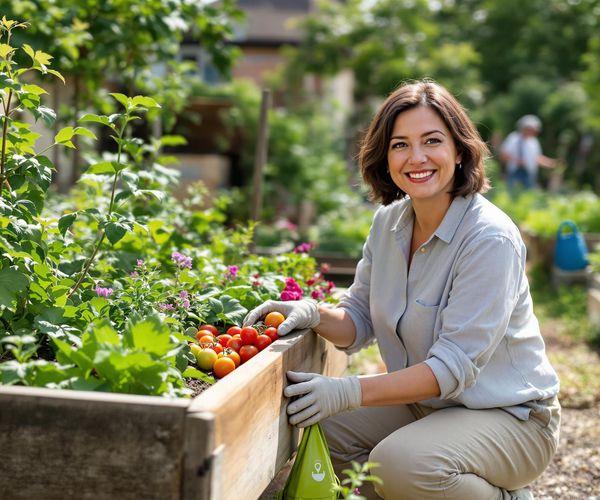
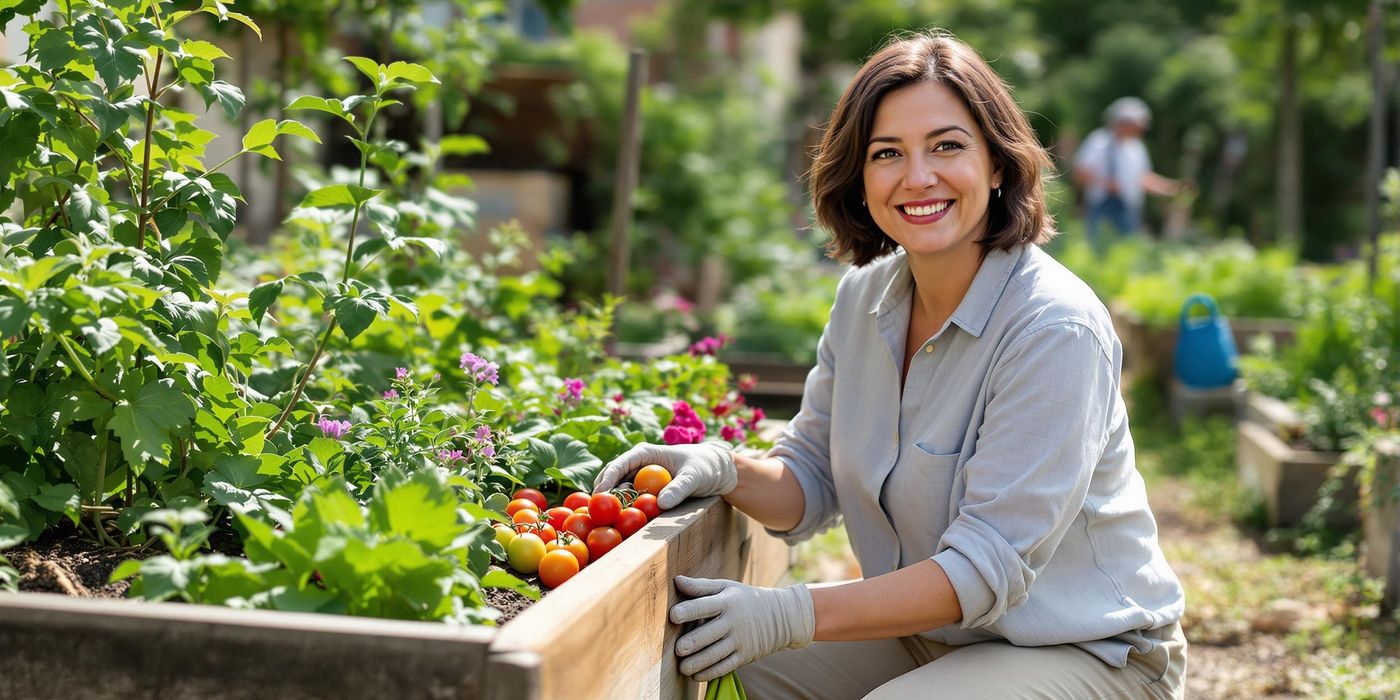
Here in Germany, there's a strong emphasis on growing your own food, whether it's in a small balcony garden or a larger allotment. The Schrebergarten, or allotment garden, is a beloved tradition, providing urban dwellers with a space to connect with nature and grow their own fruits, vegetables, and flowers. German gardens often feature raised beds, which make it easier to manage the soil and prevent weeds. Companion planting is also a popular technique, with gardeners carefully selecting plants that benefit each other.
To incorporate German techniques into your garden, consider building raised beds to improve drainage and soil quality. Plant a variety of vegetables, herbs, and flowers to attract pollinators and create a diverse ecosystem. And don't be afraid to experiment with different companion planting combinations to see what works best in your garden. The key is to create a space that is both productive and beautiful, providing you with fresh, healthy food and a connection to the natural world.
Explore diverse gardening practices worldwide and discover how to bring global inspiration to your own green spaces.