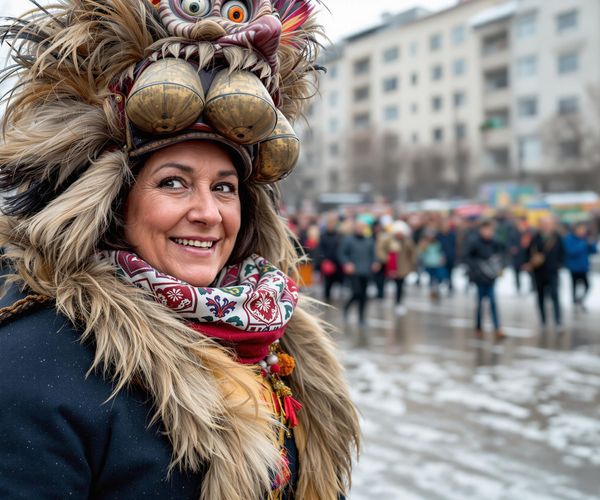

As an archivist, I've always been fascinated by the stories objects can tell. When I travel, I'm not just looking for a pretty trinket; I'm searching for a tangible piece of history, a connection to the culture I'm experiencing. These cultural souvenirs become more than just decorations; they become cherished memories and conversation starters, enriching my life and home in Berlin.
The Allure of Cultural Souvenirs
Why do some objects resonate so deeply with us? It's because cultural souvenirs are more than just mass-produced items; they're imbued with the spirit of a place. They connect us to the history, traditions, and stories that make each destination unique. Think about it: a simple piece of pottery can represent centuries of artistic tradition, while a handwoven textile can tell the story of a community's heritage.
Growing up in Kazanlak, Bulgaria, I was surrounded by the rich traditions of rose cultivation. The delicate fragrance of rose oil and the intricate designs of rose-themed crafts were integral to my upbringing. When I travel, I seek out similar connections – items that encapsulate the essence of a place. For example, during my travels in Germany, I was captivated by the intricate craftsmanship of cuckoo clocks in the Black Forest, each one a testament to generations of skilled artisans.
The history of souvenirs is fascinating. Originally, they were often religious objects or relics, brought back from pilgrimages as proof of one's journey. Over time, as travel became more accessible, souvenirs evolved into a mix of handcrafted items and, eventually, mass-produced goods. Today, the challenge lies in discerning the authentic from the generic.
Identifying Authentic Cultural Souvenirs
Distinguishing genuine handicrafts from mass-produced items requires a bit of detective work. Look for imperfections – slight variations in color, texture, or design can be telltale signs of handcraftsmanship. Don't be afraid to ask questions about the origin and production of the souvenir. A reputable artisan will be proud to share the story behind their work.
Supporting local artisans is crucial. By purchasing directly from them, you're not only acquiring a unique keepsake but also contributing to the economic well-being of the community. Before traveling, I often research traditional crafts and materials specific to the region I'm visiting. This knowledge helps me appreciate the skill and artistry involved in creating these items and makes me a more informed buyer.
In Berlin, for instance, I've discovered amazing souvenirs in small, independent shops tucked away in neighborhoods like Prenzlauer Berg. These shops often feature the work of local designers and artisans, offering a refreshing alternative to the mass-produced souvenirs found in tourist hotspots.
Souvenirs with a Story: Examples from Around the World
Certain souvenirs are so deeply intertwined with a region's cultural identity that they instantly evoke a sense of place. Take Matryoshka dolls from Russia, for example. These nesting dolls, often hand-painted with intricate designs, represent family, fertility, and the layers of Russian history. Similarly, Murano glass from Italy is renowned for its vibrant colors and delicate craftsmanship, reflecting centuries of Venetian glassblowing tradition. Delftware from the Netherlands, with its distinctive blue and white patterns, tells the story of Dutch maritime trade and artistic innovation.
During my travels, I've collected a variety of souvenirs, each with its own unique story. A hand-painted ceramic plate from Portugal reminds me of the vibrant colors and lively atmosphere of Lisbon. A set of wooden spoons from Poland evokes memories of hearty meals shared with newfound friends. And, of course, I always make sure to bring back something from Bulgaria to connect me to my roots. A small bottle of rose oil, a hand-embroidered tablecloth – these items are more than just souvenirs; they're fragments of my heritage.
Displaying and Cherishing Your Cultural Souvenirs
The way you display your souvenirs can significantly impact their ability to evoke travel memories. Instead of relegating them to a dusty shelf, consider incorporating them into your daily life. Use local spices in your cooking to recreate the flavors of your travels. Wear handcrafted jewelry to add a touch of global flair to your outfit. Display textiles on your walls to create a vibrant and eclectic atmosphere.
Souvenirs can also be fantastic conversation starters. When friends and family visit my Berlin home, they're always curious about the various objects I've collected during my travels. These souvenirs provide an opportunity to share my experiences and inspire others to explore the world.
In my own home, I've created a global atmosphere by strategically placing souvenirs throughout the space. A Turkish rug adds warmth and texture to the living room, while a collection of Japanese tea cups adorns the dining room shelves. Each item tells a story, creating a sense of connection to the world beyond Berlin.
Ethical Considerations When Buying Souvenirs
As travelers, it's our responsibility to be mindful of the ethical implications of our purchases. Avoid souvenirs that exploit people or harm the environment. Be wary of items made from endangered species or those that contribute to deforestation. Look for fair trade practices that ensure artisans receive fair wages and work in safe conditions.
Before making a purchase, consider the cultural implications of displaying certain items. Some objects may be sacred or have specific cultural significance that should be respected. Do your research and be mindful of the potential for cultural appropriation.
I'm personally committed to ethical souvenir shopping. I believe that travel should be a force for good, and that our purchases should reflect our values. By supporting local artisans and choosing souvenirs that are ethically sourced, we can contribute to a more sustainable and equitable tourism industry.
Discover how cultural souvenirs can enrich your travel experiences. Learn to identify authentic items, display them creatively, and shop ethically. Turn keepsakes into lasting memories.