As an archivist, I spend my days surrounded by history, by the echoes of lives lived and stories told. My love for preserving the past extends beyond my work, shaping my travels and my photography. There's something truly magical about capturing the essence of a place, freezing a moment in time that speaks volumes about its culture and heritage. Over the years, I've learned a few things about how to do just that, and I'm excited to share some tips with you.
Essential Equipment for Cultural Heritage Photography
Choosing the right equipment is the first step in your photographic journey. You don't need the most expensive gear, but having reliable tools will make a difference. Let's break down the options:
- Camera Options: Mirrorless, DSLR, or Smartphone?
Each has its pros and cons. A mirrorless camera offers excellent image quality in a compact body, making it ideal for travel. DSLRs are robust and offer a wide range of lenses, but they can be bulky. Smartphones are incredibly convenient and capable, especially the newer models. I often use my smartphone for spontaneous shots, but for serious work, I prefer my mirrorless camera.
- Lenses: Versatility is Key
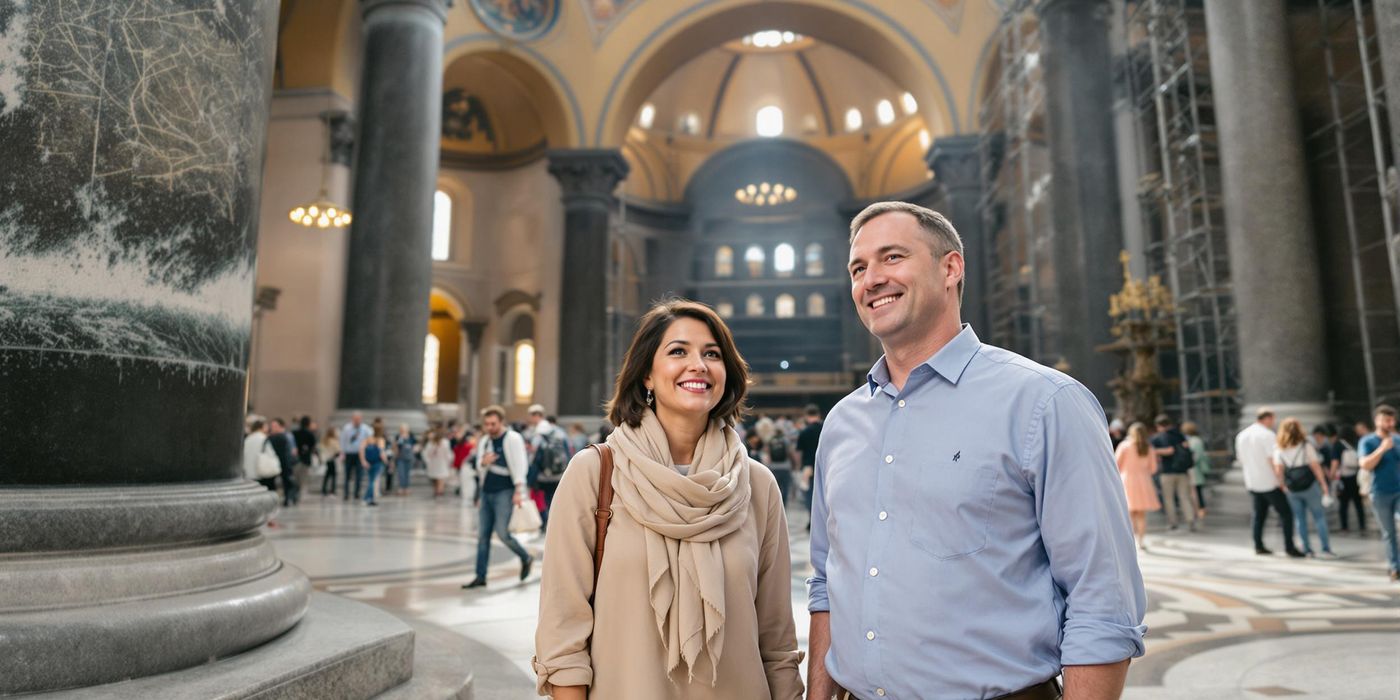
A versatile lens like a 24-70mm is a great starting point. It allows you to capture both wide landscapes and detailed architectural shots. For grand structures and sweeping vistas, a wide-angle lens (16-35mm) is invaluable. I remember using my wide-angle lens in the Hagia Sophia in Istanbul; it allowed me to capture the immense scale of the interior.
- Tripod: Stability Matters
A sturdy, travel-friendly tripod is essential for sharp images, especially in low light or for long exposures. Many historical sites have dimly lit interiors, and a tripod will allow you to use slower shutter speeds without blurring the image. Look for one that is lightweight and easy to pack.
- Storage: Never Run Out of Space
Ample storage is crucial. Always carry extra SD cards and consider an external hard drive for backing up your photos on the go. There's nothing worse than running out of space when you're in the middle of capturing a breathtaking scene!
- Filters: Enhance Your Images
Polarizing filters can enhance skies and reduce reflections, making your photos pop. ND (neutral density) filters are useful for long exposures, allowing you to create dreamy effects with moving water or clouds. I always carry a polarizing filter when photographing landscapes.
Mastering Composition Techniques
Composition is the art of arranging elements within your frame to create a visually appealing image. Here are some techniques to master:
- Rule of Thirds: Balance and Engagement
Imagine dividing your frame into nine equal parts with two horizontal and two vertical lines. Placing key elements along these lines or at their intersections creates a balanced and engaging photo. It's a simple technique that can dramatically improve your compositions.
- Leading Lines: Guide the Viewer's Eye
Use lines to draw the viewer's eye into the image and create depth. Roads, walls, and rivers can all serve as leading lines. In the Roman Forum, I often use the ancient roads as leading lines to guide the viewer towards the ruins of the temples.
- Framing: Add Context and Highlight the Subject
Use natural frames like doorways, arches, or even tree branches to highlight your subject and add context. Framing can add a sense of depth and draw attention to what's important in the scene. In Kyoto, I loved using the torii gates as frames for distant temples.
- Symmetry and Patterns: Find the Beauty in Repetition
Look for symmetrical architecture and repeating patterns in cultural sites. These elements can create visually striking images. Mosques, with their intricate tile work and symmetrical designs, are perfect for capturing patterns.
- Angles and Perspective: Create Unique Compositions
Don't be afraid to experiment with high and low angles to create unique compositions. Shooting from a low angle can make a building look more imposing, while a high angle can provide a broader view of the scene. When I visited the pyramids in Egypt, I tried various angles to convey their massive scale.
Utilizing Light to Enhance Your Photos
Light is the most crucial element in photography. Understanding how to use it can transform your images.
- Golden Hour: Warm, Soft Light
The golden hours (sunrise and sunset) offer warm, soft light that is perfect for capturing landscapes and architecture. The light during these times is flattering and creates a beautiful atmosphere. I always try to plan my shoots around the golden hours whenever possible.
- Midday Sun: Highlight Textures
The harsh midday sun can be challenging, but it can also be used to highlight textures on buildings. Look for interesting details and use the strong light to accentuate them. In the middle of the day in Rome, the sunlight raking across the Colosseum's weathered stones created a dramatic effect.
- Indoor Lighting: Overcoming Challenges
Shooting in dimly lit interiors of historical sites can be tricky. Increase your ISO, use a wide aperture, and stabilize your camera with a tripod. Be mindful of the site's rules regarding flash photography, as it's often prohibited. I remember struggling with the low light in the catacombs of Paris, but with a tripod and patience, I managed to capture some evocative images.
- White Balance: Capture True Colors
Adjust your white balance to capture the true colors of the scene. Different light sources have different color temperatures, and setting the correct white balance ensures that your photos look natural. Experiment with different settings to see what works best for each situation.
- Using Light to Create Texture
Pay attention to how light interacts with the surfaces of old buildings. Side lighting, in particular, can emphasize the texture of stone, brick, or wood, adding depth and interest to your photos.
Capturing the Essence of a Place
Photography is more than just capturing a pretty picture; it's about telling a story and conveying the essence of a place.
- Cultural Sensitivity: Respect Local Customs
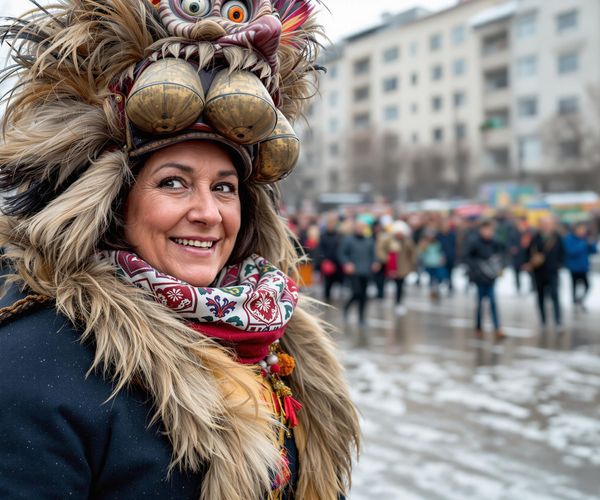
Always be respectful of local customs and traditions when photographing cultural sites. Ask for permission before photographing people, and be mindful of any restrictions or guidelines. Remember, you are a guest in their culture. I always make an effort to learn a few basic phrases in the local language to show respect.
- Storytelling: Capture the Narrative
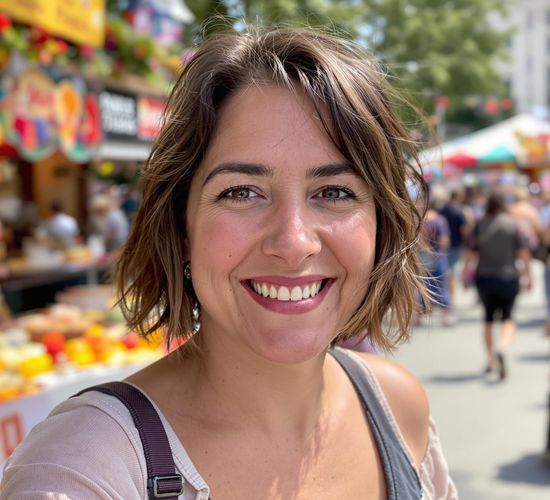
Encourage photographers to capture the stories behind the places and people they photograph. Every site has a history, and every person has a story to tell. Try to capture these narratives in your images. When I photographed a traditional market in Marrakech, I tried to capture the energy and vibrancy of the scene, telling the story of daily life.
- Details: Small but Significant
Don't overlook the small details that reflect the culture and history of the site. A worn door handle, an intricately carved window, or a faded inscription can all tell a story. These details often go unnoticed, but they can add depth and richness to your photos.
- People in the Frame: Adding Scale and Connection
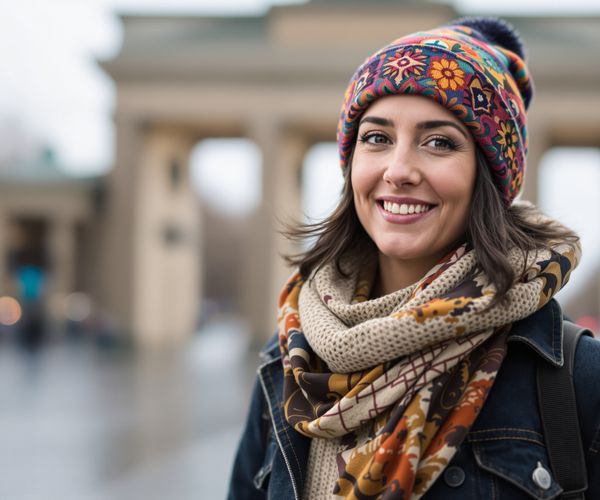
Adding people to your photos can provide scale and a human connection to the location. A lone figure standing in front of a massive monument can emphasize its size and grandeur. Just remember to be respectful and ask for permission when photographing people.
- Candid Moments: The Living Culture
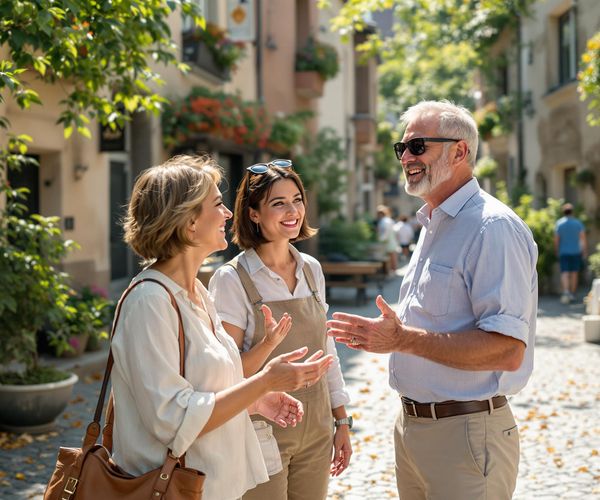
Capture candid moments of daily life to show the living culture of a place. These spontaneous shots can reveal the true character of a location. A group of children playing in a courtyard, an elderly woman selling flowers, or a craftsman at work can all add authenticity to your photos.
Post-Processing Tips for Cultural Heritage Photos
Post-processing is the final step in the photographic process. It allows you to refine your images and bring out their full potential.
- Basic Adjustments: Exposure, Contrast, and Color Balance
Start by correcting the exposure, contrast, and color balance in your editing software. These basic adjustments can make a big difference in the overall look of your photo. I use Adobe Lightroom for most of my post-processing work.
- Sharpening: Enhance Details
Sharpening can enhance details without making the image look artificial. Be careful not to over-sharpen, as this can create unwanted artifacts. A little sharpening can go a long way in bringing out the textures in your photos.
- Removing Distractions: Clean Up the Image
Clean up your image by removing unwanted elements, such as power lines, trash cans, or tourists. Use the clone stamp or healing brush tool in your editing software to seamlessly remove these distractions. A clean image is often more impactful.
- Black and White Conversion: Emphasize Form and Texture
Consider converting your photo to black and white to emphasize form and texture. Black and white can strip away distractions and focus the viewer's attention on the essential elements of the scene. I often use black and white for architectural shots to highlight the lines and shapes of the building.
- Maintaining Authenticity: Preserve the Integrity
Preserve the integrity of the image and avoid excessive manipulation. The goal is to enhance the photo, not to create a false representation of the scene. Over-editing can make your photos look unnatural and detract from their authenticity. Remember, the best photos are those that capture the true essence of a place.
Learn how to take breathtaking photos of cultural and historical sites, with tips on equipment, composition, and capturing the essence of a place.