As an Emirati living in Germany, I’ve found that food is more than just sustenance; it’s a bridge connecting cultures, a tangible link to my heritage, and a shared experience that enriches our travels. Join me as I share how cooking on the road has transformed our family trips into unforgettable culinary adventures.
Embracing Culinary Travel: A Personal Journey
My journey into culinary travel began somewhat unexpectedly. When Hans and I moved from Al Ain to Bamberg, I felt a pang of longing for the flavors of home. Cooking traditional Emirati dishes became my way of keeping my culture alive, not just for myself, but also for Hans and, later, for our daughter Aisha. As a Cultural Liaison at a local museum, I see firsthand how food can break down barriers and foster understanding. It’s this belief that fuels my passion for exploring local cuisines wherever we go.
Food is a universal language. Whether I’m haggling for spices in a bustling souk in Dubai or picking fresh produce at a farmers' market in Franconia, I’m constantly reminded of the power of food to connect people. It’s about more than just the ingredients; it’s about the stories behind them, the traditions they represent, and the shared moments they create.
The Art of the Local Market Visit
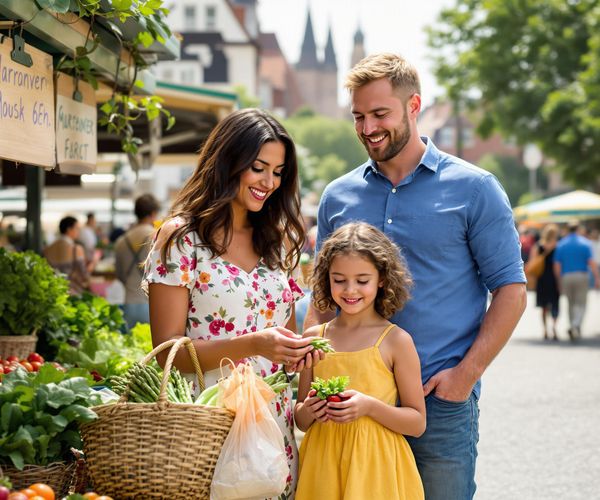
No trip is complete without a visit to the local market. Whether we're in Germany or the UAE, markets are treasure troves of culinary delights and cultural insights. In Germany, the Wochenmarkt (weekly market) is a vibrant hub where local farmers sell everything from asparagus in spring to pumpkins in autumn. In the UAE, the souks offer a sensory explosion of spices, dates, and traditional sweets.
The key is to engage with the vendors. Don’t be afraid to ask questions about their produce or their favorite ways to use certain ingredients. You’ll often discover hidden gems and learn about local specialties you wouldn’t find in a guidebook. Aisha loves helping me pick out the freshest fruits and vegetables, turning our market visits into a fun and educational experience for the whole family.
Must-Have Travel Cooking Essentials
Packing for a culinary adventure requires a bit of planning. Over the years, I’ve curated a list of essential cooking tools that are lightweight, space-saving, and versatile.
- A portable stove: Compact and easy to use, a portable stove allows you to cook anywhere, from campsites to hotel rooms.
- A set of nesting cookware: These pots and pans stack together, saving valuable space in your luggage.
- Multi-functional utensils: A good quality knife, a spatula, and a set of measuring spoons are indispensable.
- Reusable spice containers: Pack your favorite spices in small, airtight containers to add flavor to your dishes.
Finding accommodation with cooking facilities is also crucial. Look for apartments or vacation rentals with a kitchenette or a fully equipped kitchen. This will give you the freedom to cook your own meals and experiment with local ingredients.
Simple and Authentic Recipes on the Go
Here are a couple of my favorite recipes that are easy to prepare while traveling, showcasing the flavors of both Emirati and German cuisine:
Balaleet (Emirati Sweet Vermicelli)
This sweet and savory dish is a staple in Emirati cuisine, often enjoyed for breakfast or as a dessert. It’s surprisingly easy to adapt for travel cooking.
Ingredients:
- 1 cup vermicelli noodles
- 2 tablespoons butter or oil
- 1/4 cup sugar
- 1/4 teaspoon saffron threads, soaked in 2 tablespoons of warm water
- 1/4 teaspoon cardamom powder
- 2 eggs, scrambled
- Pistachios, for garnish
Instructions:
- Boil the vermicelli noodles until tender. Drain and set aside.
- In a pan, melt the butter or oil over medium heat. Add the sugar and cook until it caramelizes slightly.
- Stir in the saffron water and cardamom powder. Add the vermicelli noodles and toss to coat.
- Cook for 5-7 minutes, stirring occasionally, until the noodles are heated through.
- Top with scrambled eggs and garnish with pistachios.
Kartoffelsuppe (German Potato Soup)
This hearty and comforting soup is a classic German dish, perfect for a chilly evening. It’s simple to make with just a few basic ingredients.
Ingredients:
- 4 medium potatoes, peeled and diced
- 1 onion, chopped
- 2 carrots, chopped
- 4 cups vegetable broth
- 1 teaspoon marjoram
- Salt and pepper to taste
- Sausage or bacon (optional)
- Fresh parsley, for garnish
Instructions:
- In a pot, sauté the onion and carrots until softened.
- Add the potatoes and vegetable broth. Bring to a boil, then reduce heat and simmer for 20-25 minutes, or until the potatoes are tender.
- Use an immersion blender to partially blend the soup until it reaches your desired consistency.
- Stir in the marjoram, salt, and pepper. Add sausage or bacon, if desired.
- Garnish with fresh parsley before serving.
Connecting Food and Culture: Stories from the Kitchen
One of my most memorable culinary experiences was in a small village in Bavaria. We stumbled upon a local festival celebrating the harvest season. We joined a group of women making traditional dumplings called “Knödel”. Despite the language barrier, we communicated through gestures and laughter, sharing tips and techniques. By the end of the day, we had not only learned how to make Knödel but also forged a connection with these women that transcended cultural differences. Hans and Aisha still talk about that day, and it’s a reminder of the power of food to create lasting memories.
Another time, while visiting Dubai, Aisha and I took a cooking class focused on Emirati cuisine. She was fascinated by the spices and the aromas, and she loved helping me prepare dishes like Machboos (spiced rice with meat) and Luqaimat (sweet dumplings). It was a proud moment for me to see her embrace her heritage and develop a love for cooking.
Sustainable Cooking Practices While Traveling
As a passionate advocate for sustainable living, I believe it’s important to minimize our environmental impact while traveling. Here are some tips for cooking sustainably on the road:
- Shop at local markets: Support local farmers and businesses by buying your produce directly from them.
- Minimize food waste: Plan your meals carefully and use leftovers creatively.
- Use reusable containers: Avoid single-use plastic bags and containers.
- Choose eco-friendly products: Opt for biodegradable dish soap and cleaning supplies.
By embracing sustainable cooking practices, we can help preserve the environment and support local communities. It’s a way of showing respect for the cultures we visit and ensuring that future generations can enjoy the same culinary adventures.
Explore local cuisines by cooking on the road, turning travels into culinary adventures. Maryam shares experiences, recipes, and market finds.