From the bustling souks of the Emirates to the charming markets of Bavaria, local markets have always held a special allure for me. They are more than just places to buy and sell goods; they are vibrant hubs of culture, tradition, and community life. Join me as I share my experiences and insights into the enchanting world of local markets.
The Allure of Local Markets: More Than Just Shopping
Local markets are the heart and soul of a community. They pulsate with an energy that's hard to find anywhere else. Forget sterile shopping malls; these markets offer a genuine glimpse into the daily lives and traditions of the people who call a place home. It's where you witness the ebb and flow of social interactions, where laughter mingles with the calls of vendors, and where the simple act of buying groceries becomes a shared experience.
For me, a visit to a local market is never just about ticking items off a shopping list. It's about immersing myself in the local culture, connecting with people, and experiencing the true essence of a place. These markets are social hubs, where neighbors meet, friends catch up, and relationships are forged over shared experiences.
A Sensory Journey: Experiencing Culture Through Local Markets
Step into a local market, and you're immediately enveloped in a symphony of sensory delights. The vibrant colors of fresh produce, the tantalizing aromas of spices and street food, the cacophony of sounds from vendors and shoppers – it's a feast for the senses.
One of the greatest joys of exploring local markets is the opportunity to engage directly with artisans and producers. You can learn about their craft, taste regional specialties, and discover unique souvenirs that tell a story. Unlike generic shopping malls, local markets offer a taste of local culture that's both authentic and unforgettable. You might stumble upon a street performance, a traditional music ensemble, or a local festival, adding another layer of richness to the experience.
From Al Ain to Bamberg: A Tale of Two Markets
Growing up in Al Ain, I was no stranger to the vibrant markets of the UAE. The Al Ain Central Market, with its bustling livestock section and array of traditional items, was a sensory overload in the best possible way. I remember the bartering for dates and spices, the smell of incense, and the lively chatter of the vendors. Souk Al Bawadi, known for its carpets and outdoor home merchandise, was another favorite, where I would spend hours admiring the intricate designs and vibrant colors.
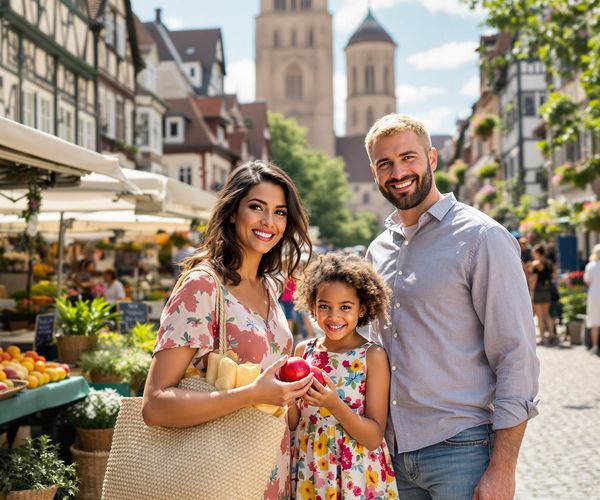
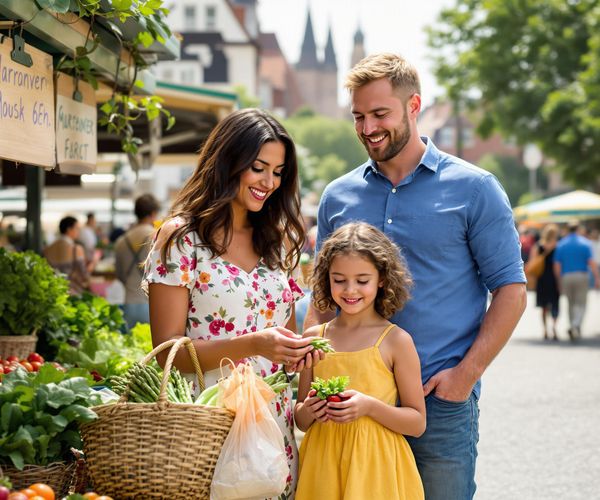
Now living in Bamberg, Germany, I've discovered a different kind of market charm. The Grüner Markt, located in the heart of the city, is a treasure trove of fresh produce, local delicacies, and handmade crafts. The scent of freshly baked bread mingles with the aroma of local cheeses, creating an irresistible olfactory experience. And of course, the traditional Christmas markets in Bamberg are a magical wonderland, with twinkling lights, festive decorations, and the aroma of Glühwein filling the air.
These experiences have given me invaluable cultural insights. In Al Ain, I learned about the importance of hospitality and generosity in Emirati culture. In Bamberg, I've come to appreciate the German dedication to quality and craftsmanship. Each market has its own unique character, reflecting the values and traditions of its community.
Cultural Insights: What Markets Reveal About Local Life
Local markets are like living museums, preserving and showcasing the cultural diversity and heritage of a community. They offer a window into local negotiation styles, customs, manners, and even taboos. Observing these interactions can provide a deeper understanding of how people perceive, communicate, and act within their cultural context.
Markets are also a stage for traditional crafts, skills, and culinary creations. They whisper tales of generations past, connecting urban and rural communities through the exchange of goods and ideas. You can find handmade carpets woven with ancient patterns, pottery crafted using time-honored techniques, and dishes prepared with recipes passed down through families for centuries.
Markets as Economic Engines and Social Levelers
Beyond their cultural significance, local markets play a vital role in the economic well-being of a community. They serve as platforms for small businesses, farmers, and artisans to thrive. They foster entrepreneurship, nurture innovation, and promote a self-sustaining economic ecosystem that benefits the entire region.
Markets can also empower marginalized groups, providing women with economic independence and ethnic minorities with a space to showcase their cultural heritage. They create jobs, generate income, and increase tax revenue, contributing to the overall economic vitality of the region.
Preserving the Magic: The Importance of Supporting Local Markets
It's crucial that we preserve local markets for future generations. They are essential for maintaining cultural diversity, supporting local economies, and fostering a sense of community. However, local markets face numerous challenges, including competition from large retail chains, changing consumer habits, and the pressures of modernization.
We need to support initiatives that revitalize local markets and preserve traditional trades. This includes promoting sustainable tourism, investing in infrastructure, and raising awareness among consumers about the value of local products and services. By shopping locally, attending market events, and spreading the word about the importance of these cultural hubs, we can help ensure their survival and prosperity.
Explore how visiting local markets can enhance cultural understanding and provide a window into local life and traditions. Maryam shares her experiences exploring markets in Germany and the UAE.