Traveling opens our eyes to new landscapes and experiences, but true understanding comes from immersing ourselves in the local culture. It's about going beyond the surface and engaging with the heart and soul of a place. As a Cultural Liaison and an expat in Bamberg, Germany, I've learned firsthand the transformative power of cultural immersion. Join me as I share my insights and tips for truly understanding a new place.
Beyond the Tourist Trail: Defining Cultural Immersion
Cultural immersion is more than just visiting famous landmarks; it's about actively engaging with the local way of life. It means stepping outside your comfort zone to understand the values, customs, and traditions of a community. It's the difference between observing a culture and becoming a part of it.
Being a tourist often involves ticking off sights from a list, snapping photos, and moving on. Cultural immersion, on the other hand, requires slowing down, observing, and interacting. It's about connecting with people, understanding their stories, and appreciating their perspectives.
The benefits of cultural immersion are immense. It fosters personal growth, broadens your understanding of the world, and cultivates empathy. By immersing yourself in a new culture, you challenge your assumptions, expand your horizons, and develop a deeper appreciation for diversity.
Moving to Bamberg has profoundly shaped my understanding of cultural immersion. Living here, I've learned to appreciate the nuances of German culture, from the importance of punctuality to the love of beer gardens. These experiences have enriched my life and deepened my connection to my adopted home.
Language as a Gateway: More Than Just Greetings
Learning the local language is crucial for deeper cultural understanding. While knowing a few basic phrases can be helpful, being able to communicate fluently opens doors to meaningful conversations and genuine connections.
There are many practical ways to learn a new language. Language exchange apps like HelloTalk and Tandem connect you with native speakers for conversation practice. Local classes offer structured learning environments, while immersion techniques, such as spending time in a country where the language is spoken, provide invaluable real-world experience.
Language is more than just words; it's a reflection of cultural values. Idioms and expressions often reveal unique aspects of a culture's history, beliefs, and worldview. Understanding these nuances can provide deeper insights into the local way of thinking.
Learning German idioms has been a fascinating experience. For example, the phrase Ich glaub' ich spinne! (I think I'm spidering!) is used to express disbelief or astonishment. Understanding this idiom has not only improved my German skills but also helped me connect with locals on a deeper level.
Festivals and Traditions: Participating, Not Just Observing
Attending local festivals and cultural events is a fantastic way to experience a culture firsthand. These events offer a glimpse into the traditions, values, and social dynamics of a community.
When participating in traditions and customs, it's important to be respectful and mindful of local etiquette. Observe how locals behave, ask questions, and follow their lead. Avoid being disruptive or disrespectful, and always be mindful of cultural sensitivities.
Understanding the history and significance behind these events adds depth to your experience. Research the origins of the festival, the meaning of the rituals, and the symbolism of the costumes and decorations.
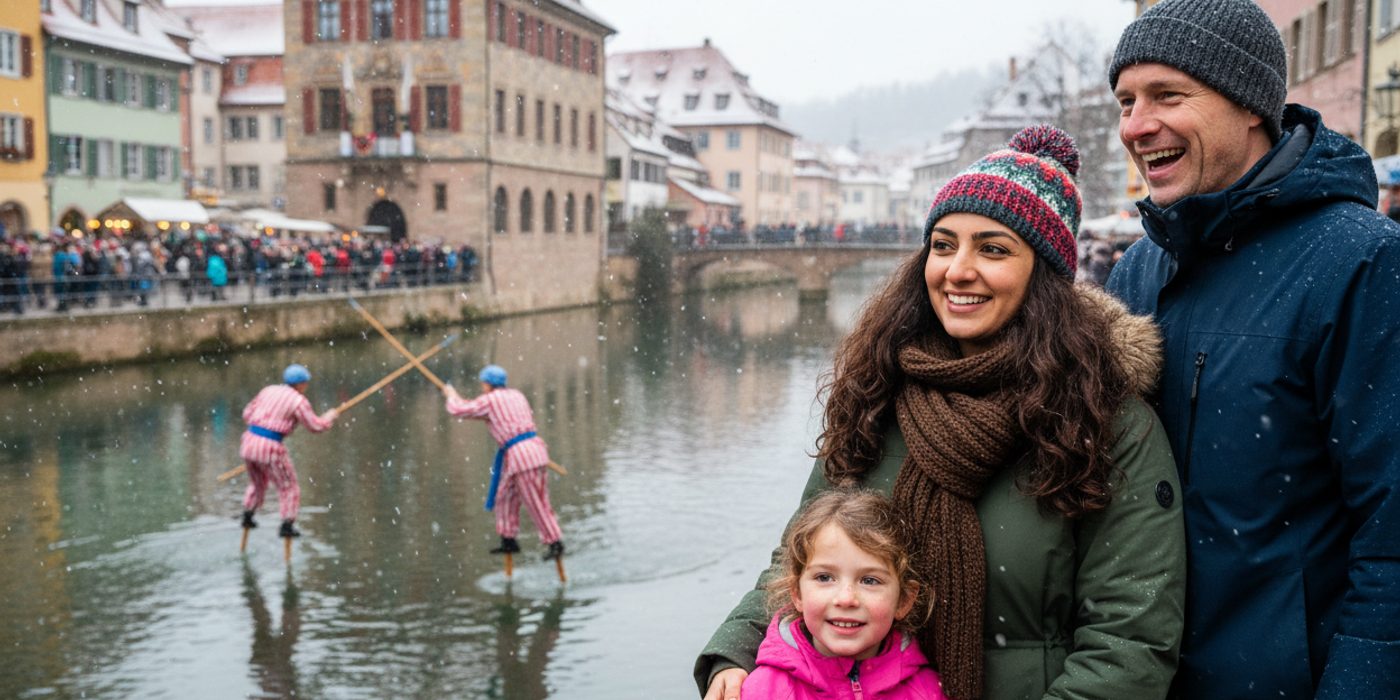
I have fond memories of attending the Sandkerwa festival in Bamberg. The lively atmosphere, traditional music, and delicious food created an unforgettable experience. Participating in the stilt-walking competition (and failing miserably!) was a humbling but hilarious way to connect with the local community. Similarly, experiencing the vibrant celebrations of National Day in the UAE always fills me with pride and a deep sense of belonging.
Culinary Adventures: Tasting the Culture
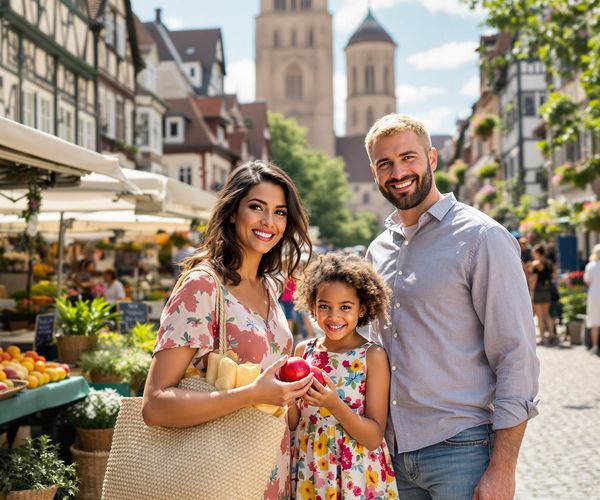
Exploring local cuisine is a delicious way to understand a culture. Food is often deeply intertwined with history, traditions, and social customs. Trying new foods and engaging with local food culture can provide valuable insights into a community's identity.
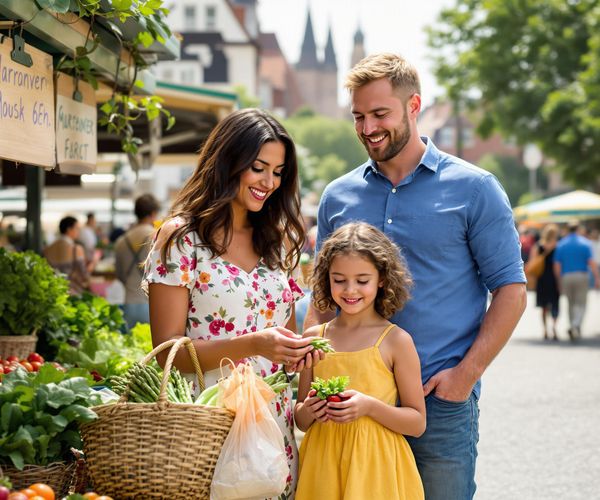
Visit local markets to sample regional specialties and interact with vendors. Take a cooking class to learn how to prepare traditional dishes. Eat at family-owned restaurants to experience authentic flavors and hospitality. Don't be afraid to try something new and adventurous!
Food and dining traditions often reflect cultural values and social norms. In some cultures, meals are a communal affair, with families gathering around a table to share food and conversation. In others, certain foods are reserved for special occasions or have symbolic meanings.
Exploring German markets with Hans has been a culinary adventure. From sampling local cheeses and sausages to baking traditional Christmas cookies, I've discovered a whole new world of flavors and traditions. Cooking traditional dishes with Hans's mother has been a particularly rewarding experience, allowing me to learn about German culinary heritage firsthand.
Connecting with Locals: Building Bridges
Interacting with local people is essential for cultural immersion. Building relationships with individuals from different backgrounds broadens your perspective, challenges your assumptions, and fosters empathy.
Initiate conversations with locals by asking questions about their lives, interests, and culture. Show genuine interest in their experiences and perspectives. Be open to learning from their insights and challenging your own biases.
Cultural exchange is a two-way street. Be willing to share your own culture and experiences with others. By sharing your stories and perspectives, you can foster mutual understanding and appreciation.
As a Cultural Liaison, I bridge the gap between Emirati and German cultures. I organize events and workshops that promote cultural exchange and understanding. Through these interactions, I've witnessed the transformative power of cross-cultural dialogue and the importance of building bridges between communities.
Sustainable and Respectful Travel: Leaving a Positive Impact
Traveling sustainably and respecting local customs and traditions is crucial for responsible cultural immersion. As visitors, we have a responsibility to minimize our environmental impact and support local communities.
Reduce your carbon footprint by using public transportation, walking, or cycling. Support local businesses by buying locally made products and eating at family-owned restaurants. Respect local customs and traditions by dressing modestly, asking permission before taking photos, and avoiding disrespectful behavior.
Ethical considerations are paramount when engaging in cultural immersion. Avoid cultural appropriation, which is the act of taking elements of another culture out of context and using them for your own benefit. Be mindful of power dynamics and avoid perpetuating stereotypes.
Sustainable living is a core value for me. I strive to minimize my environmental impact by reducing waste, conserving energy, and supporting eco-friendly practices. I believe that responsible travel is an extension of this commitment, and I encourage others to adopt sustainable travel habits as well.
Learn how to immerse yourself in a new culture with practical tips on language, festivals, food, and connecting with locals. Discover the transformative power of cultural immersion.