As a cultural liaison and a mother, I've always believed in the power of travel to connect us – not just to new places, but to each other. Multi-generational travel, in particular, holds a special place in my heart. It's about grandparents sharing stories with grandchildren, parents rediscovering the world through their children's eyes, and everyone creating memories that will last a lifetime. But let's be honest, planning a trip with multiple generations can feel like navigating a complex cultural landscape. That's why I'm sharing my insights and experiences to help you make the most of your family adventures.
The Joys and Challenges of Traveling with Multiple Generations
Multi-generational travel is booming, and it's easy to see why. In today's fast-paced world, families are often scattered across different cities and countries. Travel provides a unique opportunity to reconnect, away from the distractions of daily life. Imagine sitting around a campfire in Yellowstone National Park, sharing stories under the stars, or exploring the ancient ruins of Rome together. These shared experiences strengthen family bonds and create lasting memories.
But let's not sugarcoat it: traveling with multiple generations also comes with its challenges. Varying interests, mobility levels, and expectations can lead to friction if not addressed proactively. Grandma might prefer a leisurely museum visit, while the kids are itching for a rollercoaster ride. Someone might want to sleep in, while others are early risers. The key is to acknowledge these differences and find ways to accommodate everyone's needs.
Planning Ahead: The Key to a Successful Trip
In my experience, the secret to a successful multi-generational trip lies in careful planning. It's not enough for just one person to take the reins; everyone needs to be involved in the decision-making process. Start by gathering input from all family members regarding destinations, activities, and budget. What are their must-see attractions? What kind of activities do they enjoy? What's their comfort level with different types of travel?
Once you have a sense of everyone's preferences, set realistic expectations. Emphasize flexibility and compromise to accommodate everyone's needs. Not every activity will appeal to everyone, and that's okay. The goal is to create a balance that allows everyone to have a good time.
Establishing a clear budget is also crucial. Discuss financial responsibilities upfront to avoid misunderstandings later on. Who will be responsible for booking flights and accommodations? How will expenses be split? It's helpful to create a shared spreadsheet or use a budgeting app to track expenses.
Finally, consider travel insurance, especially for larger groups. It can provide peace of mind in case of unforeseen circumstances, such as medical emergencies, trip cancellations, or lost luggage.
Choosing the Right Destination and Activities
Selecting the right destination is paramount for a successful multi-generational trip. Look for destinations with diverse appeal, offering a blend of cultural experiences, outdoor activities, and relaxation opportunities. National parks like Yellowstone and Banff are great choices, offering stunning scenery, wildlife viewing, and hiking trails for all levels. Cruises, whether to the Caribbean or Alaska, provide a convenient way to explore multiple destinations while catering to a variety of interests. Culturally rich locations like Japan or Italy offer opportunities for historical tours, culinary adventures, and artistic exploration.
When it comes to activities, think about what each age group enjoys. Historical tours can be fascinating for grandparents and parents, while nature walks and water sports might appeal to younger generations. Amusement parks offer thrills for the kids, while relaxing spa days can be a treat for the adults. The key is to find a balance that keeps everyone engaged and entertained.
Accessibility is another important consideration. Ensure the chosen destination and activities are suitable for all mobility levels. Are there wheelchair-accessible routes? Are there alternative activities for those who can't participate in strenuous physical activities? Planning ahead can make a big difference in ensuring everyone can enjoy the trip.
Based on my family's experience, destinations that offer a mix of cultural immersion and family-friendly attractions are always a hit. For example, when we visited Bamberg, Germany, we explored the historic city center, visited local breweries, and took a boat trip on the Regnitz River. There was something for everyone to enjoy.
Accommodation Considerations for Large Groups
Choosing the right accommodation is just as important as choosing the right destination. For large groups, hotels, resorts, vacation rentals (villas, apartments), and extended-stay hotels are all viable options. However, in my experience, vacation rentals offer the most benefits. They provide more space, privacy, and kitchen facilities, allowing families to spread out and feel more at home.
When booking accommodations, consider amenities such as multiple bedrooms, common areas, accessibility features, and family-friendly services like kids' clubs and babysitting. Multiple bedrooms ensure everyone has their own space to retreat to when they need some downtime. Common areas provide a place for families to gather and socialize. Accessibility features are essential for those with mobility issues. And family-friendly services can be a lifesaver for parents who need a break.
It's also a good idea to book accommodations with flexible cancellation policies. This provides peace of mind in case of unforeseen circumstances that force you to change your plans.
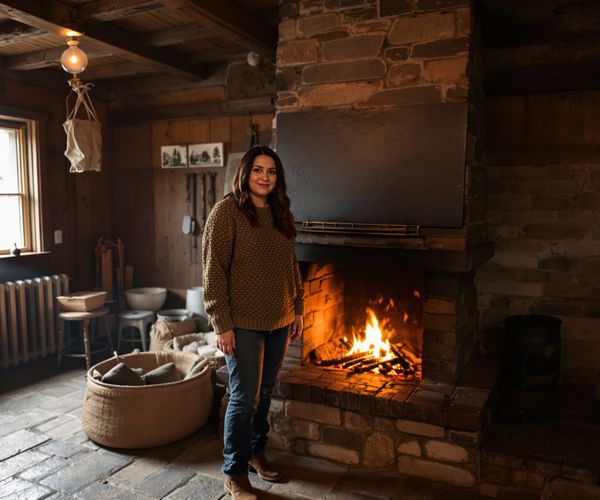
I remember one trip to the Black Forest where we rented a large farmhouse with a fully equipped kitchen. We were able to cook our own meals, which saved us money and allowed us to enjoy leisurely family dinners together. The kids loved exploring the surrounding countryside, and the adults appreciated the peace and quiet.
Sample Itineraries and Real-Life Examples
Let's imagine a hypothetical multi-generational trip to Italy. The itinerary could include visits to iconic landmarks like the Colosseum and the Leaning Tower of Pisa, cooking classes where everyone learns to make pasta from scratch, and day trips to charming Tuscan villages. The grandparents might enjoy leisurely strolls through the gardens of Florence, while the kids could explore the canals of Venice by gondola. Evenings could be spent enjoying delicious Italian food and wine together.
Of course, no trip is without its challenges. I recall one family trip to the UAE where our luggage was delayed, leaving us without our essentials for a couple of days. We learned to adapt, relying on the kindness of strangers and the resourcefulness of our family members. We also discovered the joy of exploring local markets and finding unique souvenirs.
As a cultural liaison, I'm always drawn to destinations with cultural significance. I believe that travel can be a powerful tool for fostering understanding and empathy between different cultures. By immersing ourselves in new environments, we can broaden our perspectives and challenge our assumptions.
Ultimately, multi-generational travel is about creating shared experiences that will be cherished for years to come. It's about bridging generational gaps, strengthening family bonds, and making memories that will last a lifetime. With careful planning and a willingness to embrace the unexpected, you can create a truly unforgettable family adventure.
Tips and tricks for planning a successful family trip that includes grandparents, parents, and children, focusing on activities and accommodations that everyone can enjoy.